


Old House Renovation in Medavakkam
Old house renovation in Medavakkam starts with one question: what is still sound, and what is only hiding damage under paint? In a place with dense housing, mixed plot sizes and monsoon water that sits around longer than people expect, the first job is to inspect the building properly.
You may be trying to repair a family house for the next generation, or you may have bought an older property and found cracks, damp patches or a tired roof once the walls were opened. We work that way too: check the condition first, then decide whether repair, strengthening or partial rebuild makes sense.
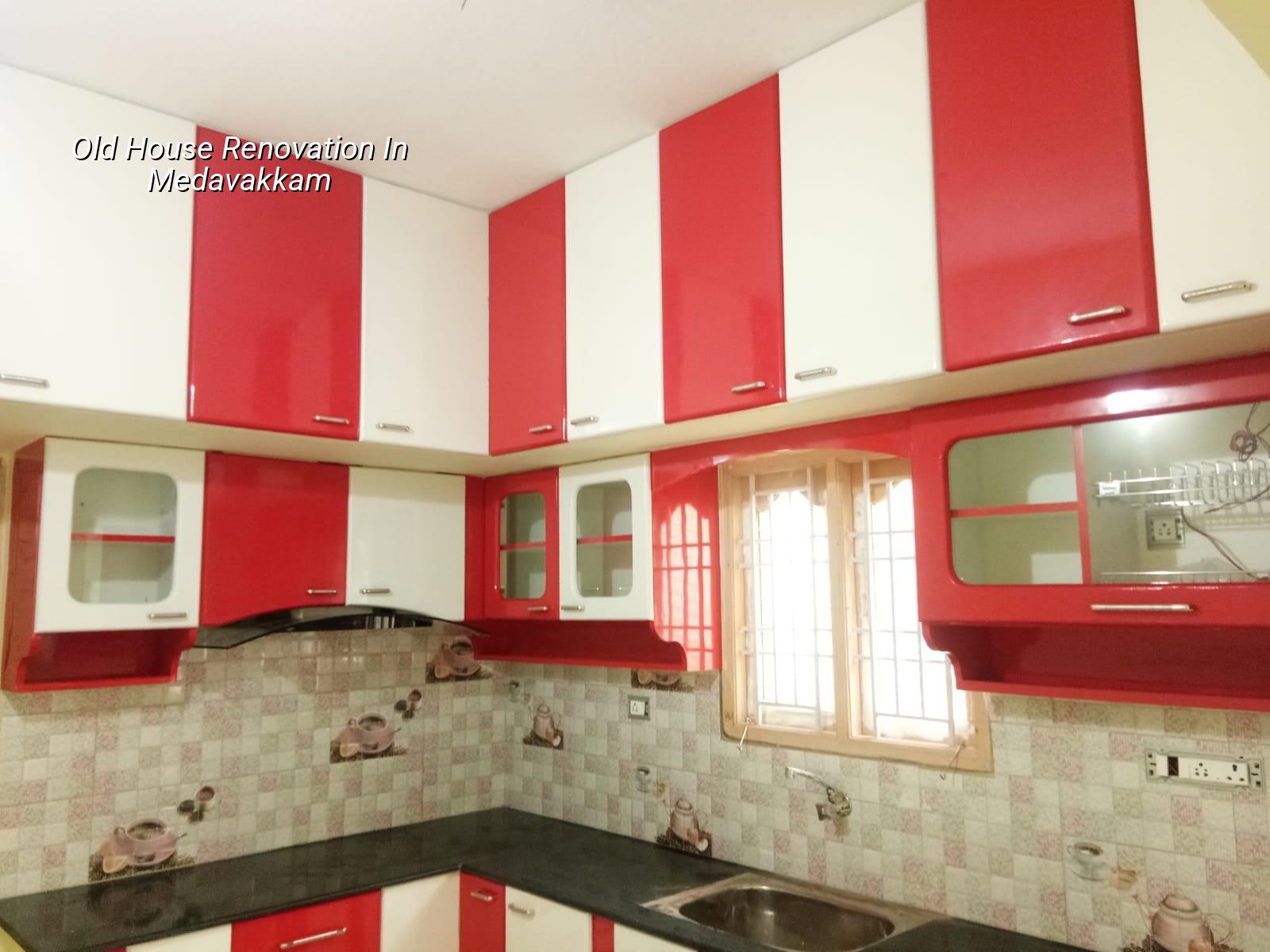
What Medavakkam changes in an old house
Medavakkam is not the place to treat renovation as simple cosmetic work. It sits in a fast-growing part of south Chennai, with many houses built in phases, extensions added later, and drainage that depends more on the exact plot level than on the street name. A house that looks fine in summer can show its real problems in the second week of monsoon, when water reaches the compound edge and the first-floor staircase wall stays damp for days.
The other reality is access. Some plots still have enough frontage for material stacking and a mixer truck, but many older streets are tight, with cars parked outside and neighbours close to the compound wall. That affects how we dismantle, where we store debris, and whether we can cast concrete in one pour or need to stage work in smaller sections. If the building sits low, we also look hard at plinth level, terrace drainage and the path rainwater takes away from the house. Those are not finish items. They decide whether the repaired house stays dry.
In Medavakkam, the most common mistake is to spend on paint, tiles and new doors before checking the slab, columns and plumbing lines. That looks better for a few months. Then the crack returns, or the seepage comes back through the same wall after the first heavy rain.
What we inspect first
We begin with the parts that tell the truth. Cracks, rust marks, soft plaster, sloping floors, damp at the skirting line, failed waterproofing and roof movement matter more than a fresh finish. If the building has RC members, we check the condition of beams and columns, the cover to reinforcement, and whether there is any exposed steel. If it is an older load-bearing house, we look for settlement, wall separation and signs that later additions changed the load path.
The parts that usually decide the scope
Roofs, toilets and external walls are where old houses in this part of the city usually fail first. Toilets leak because old pipes were buried without proper access. Terrace seepage begins at the junctions, not in the middle of the slab. External plaster fails where runoff keeps hitting the same corner. A careful survey tells us whether we can repair in place or whether opening up is safer.
- Site inspection and defect mapping — one visit is enough to mark visible cracks, damp zones and likely source points; allow 1 to 2 days for a proper note.
- Condition testing and opening work — where needed, we open small portions of plaster, tile or ceiling to see the actual cause; this usually takes 2 to 4 days.
- Repair plan and BOQ — we list demolition, strengthening, waterproofing, plumbing and finishing separately so you know what is fixed and what is only made to look fixed; allow 3 to 5 days.
- Execution in stages — structural repair and leak arrest first, then services, then finishes; the duration depends on the house size, but this order avoids rework.
- Final checks and handover — we check slope, leak points, service lines and plaster cracks before closing the job.
Repair, strengthen, or rebuild?
That is the real decision in old house renovation in Medavakkam. Not every old house needs demolition. Some only need roof waterproofing, pipe replacement, re-plastering and a few structural patches. Others have decades of small additions, cut columns, weak stair blocks or badly altered walls. In those cases, patchwork can waste money because the real problem is in the structure, not the finish.
We tell clients the hard part plainly. If the crack is only in plaster, you do not need a structural alarm. If the crack runs through masonry, repeats after filling, or sits near a beam-column junction, it needs engineering review. If the terrace has ponding water every season, adding another coat over the top without correcting slope is a short-term fix. The surface improves. The leak does not leave.
What a sensible scope usually contains
Most honest renovation jobs fall into four buckets: structural patching, waterproofing, services replacement and finish restoration. Structural patching means removing loose concrete, cleaning exposed steel, treating corrosion and rebuilding the damaged zone with the right mortar. Waterproofing means correcting slope, sealing joints and protecting the vulnerable surfaces. Services work means new plumbing, wiring changes and drainage correction. Finish restoration is the part people can see, but it should come last.
| Work head | What it covers | What usually fails if skipped |
|---|---|---|
| Structural repair | Beam, column and slab patches, steel treatment, local strengthening | Cracks come back and rust keeps spreading |
| Waterproofing | Terrace, toilet, sunken slab and external wall protection | Damp patches and ceiling stains return in one monsoon |
| Plumbing and drainage | Pipe replacement, slope correction, rainwater routing | Hidden seepage and floor damage continue |
| Finish works | Plaster, putty, paint, tile replacement, doors and fittings | The house looks new but the defect stays underneath |
What to ask before you sign anything
If you are comparing contractors for an older house, ask for the repair logic, not just the rate. A low quote can hide a shallow scope. The cheapest route is often to cover cracks, paint over dampness and replace visible finishes. That works until the next season. A better quote explains where the problem starts, what gets opened, what gets tested and what is left alone because it is still sound.
- Ask which defects are structural and which are only finish-level.
- Ask for a BOQ that separates demolition, repair, waterproofing and finishing.
- Ask whether the house can stay partially occupied during work.
- Ask how debris will be removed without blocking the street or damaging neighbour walls.
- Ask what gets tested after waterproofing, especially on terraces and toilets.
- Ask what is not included, so you are not surprised later.
Cost, approvals and the practical side
Old house renovation costs in Chennai vary a lot, so we never guess a total from the outside. The rate depends on how much demolition is needed, whether structure is involved, what finishes you choose and how difficult the site access is. For interior works the indicative range is ₹1,200 to ₹2,500 per sq ft, and for painting it is ₹25 to ₹45 per sq ft, but an old house rarely sits in one neat category. Some parts may need only repainting. Others may need full opening and repair. A detailed BOQ decides the real figure before any contract is signed.
Approvals also depend on the job. Simple internal repair is different from structural alteration or extension. In the Chennai metropolitan area, the building licence route depends on whether the plot falls under Greater Chennai Corporation, a municipality, a town panchayat or another local body. If the work touches structure, height or layout, we check the papers before starting. For older houses, the basic documents we usually ask to see are patta, encumbrance certificate, FMB sketch, available drawings, structural stability details where relevant and drainage information.
One thing clients often miss: the cheapest repair is not the one with the smallest bill on day one. It is the one that avoids reopening the same wall next year. If a terrace, toilet or external wall is causing repeat damage, pay to fix the source. Cosmetic work can wait one more month. Water cannot.
How we work on renovation jobs
We do renovation with the same in-house technical team we use on new work. A site engineer is on site every working day, and our civil engineer, structural engineer and architect look at the problem before the scope is frozen. We prepare a detailed BOQ, agree milestone-linked payments in the contract and keep the client updated with weekly photos if they cannot visit. If you want to talk through a repair plan for your house, call +91 97107 13838 or write to info@shalomconstruction.com. You can also start with our renovation services, residential construction or contact page.
Frequently Asked Questions
If your house is old enough for surprises, that is normal. What matters is whether the work starts with the real defect or with the visible one. We prefer the first route, even when it means telling you not to spend on something yet.
Old House Renovation in Medavakkam
Send us the condition of your house and we can help you plan the repairs, BOQ and next steps before you spend on the wrong item.
Request a Quote Call +91 97107 13838