


Old House Renovation in Mambakkam
Old house renovation in Mambakkam starts with one question: is the house tired, or is it moving? If cracks, damp patches, sagging roofs or a bad floor slope are showing up, you need a condition check before you spend on finishes.
We handle that sort of work by checking the structure first, then the services, then the finishes. That order matters. A fresh tile or new paint will not fix a beam crack, a leaking terrace or a floor that keeps pulling moisture from the ground.
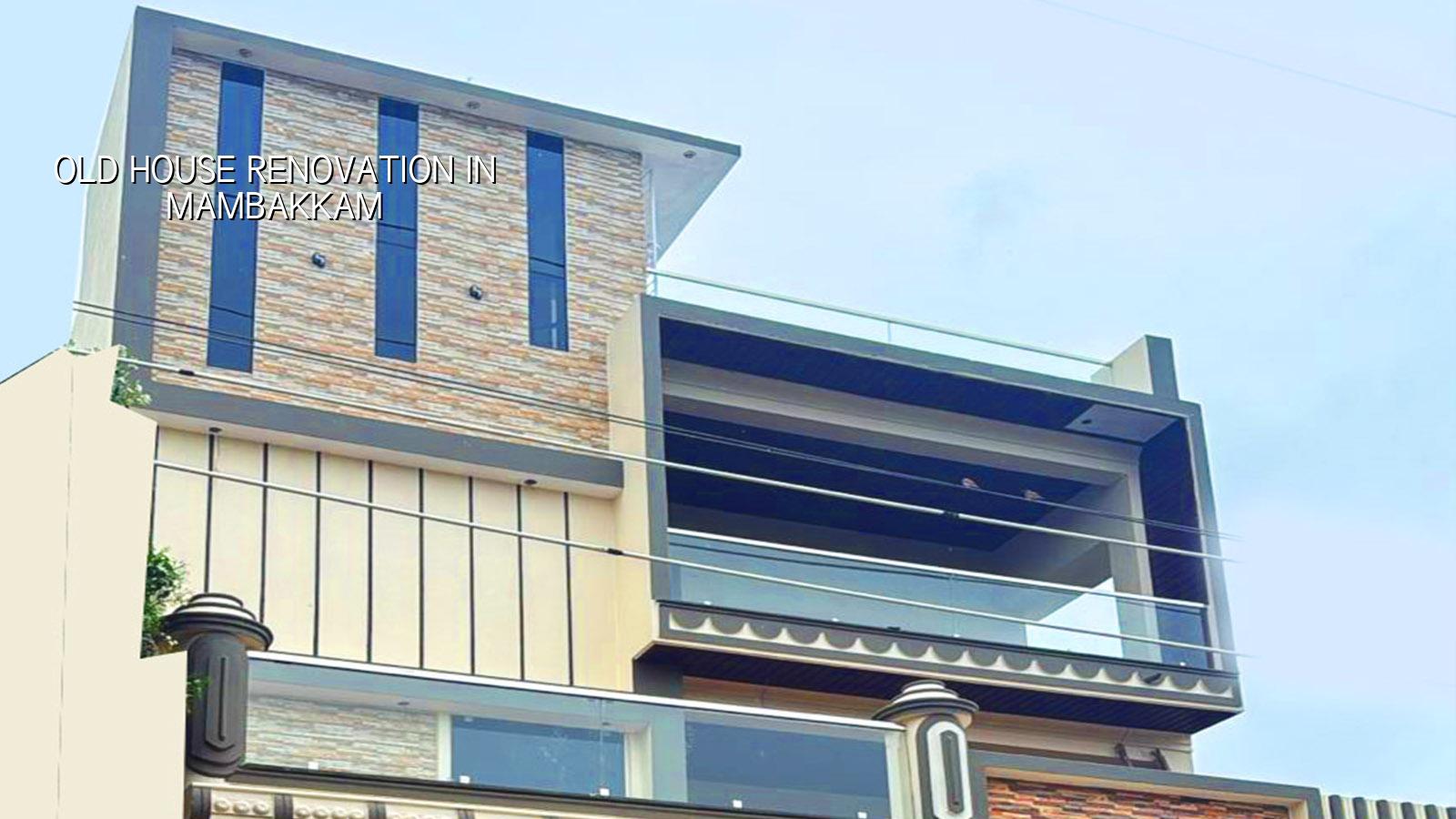
What Mambakkam changes on site
Mambakkam sits on the developing south-west side of Chennai, where many plots are larger than in the old city and a lot of houses were built in phases. That sounds simple, but phased construction creates odd junctions: one room on a stronger footing, a later extension on a different wall thickness, a terrace slab added after the original house was occupied. We see that often in old houses here.
The other local factor is ground and drainage. Some pockets drain better than low-lying belts nearer Velachery or Pallikaranai, but that does not mean every plot is firm. For renovation, we still look at cracks, settlement signs, water seepage at plinth level and how rain leaves the site. If the rainwater stays near the wall line, the repair plan changes before the paint schedule even starts.
Approval-wise, the plot may fall under CMDA rules, and the licence body depends on the exact location, not the pin code people use casually. For an old house, that matters when you are altering a wall, adding a stair, changing the roof profile or regularising a rebuilt portion. We check the paperwork first so the work does not stop midway.
What we inspect before touching finishes
Old house renovation is not the same as interior work in a new shell. We first read the building like an engineer would. Cracks are mapped by pattern, not just by appearance. A diagonal crack at an opening means something different from a hairline crack in plaster. Damp at the skirting means something different from roof leakage. The house tells you where the trouble began if you know what to ask.
Common problems we look for
We check the roof slab, external walls, bathroom edges, beam-column junctions, slab soffits, staircase landings and any area where an old repair was already done badly. We also look for termite damage in doors and frames, rust staining near exposed steel, and soft plaster that sounds hollow when tapped. In a house that has seen 20 or 30 monsoons, these are the places that usually fail first.
Sometimes the structure is fine and the problem is service life. Pipes get old, wiring gets brittle, terrace waterproofing fails, and the toilet slope becomes wrong after repeated patchwork. In that case, spending on RCC jacketing would be a mistake. The better answer is controlled repairs, replacement of lines and a proper waterproofing detail.
- Condition survey — one site visit with crack mapping, moisture checks and a list of urgent defects; usually 1 to 2 days.
- Test and confirm — if needed, we open up a few locations, check slab and beam cover, and study the existing drawings or property papers; usually 2 to 5 days.
- Repair plan and BOQ — we separate structural, civil, plumbing, electrical and finish work so you know what is necessary and what is optional; usually 3 to 7 days.
- Execution in phases — wet work, structural repair, waterproofing, services and finishes are carried out in sequence so one trade does not damage the other; the duration depends on how much of the house you are keeping occupied.
- Final checks — leak test, slope check, patch inspection and handover of what was replaced; usually 1 to 3 days at the end.
Repair first, remake later
The real trade-off in an old house is between patching and rebuilding. Patching costs less now. Rebuilding gives you a cleaner result and fewer hidden problems later. We do not pretend patching is always wrong. If the structure is sound, the roof is dry and the problem is mainly faded finishes, then a careful repair is sensible. But if walls have settled, the terrace keeps leaking every monsoon or the plan itself no longer works, a cosmetic job becomes expensive theatre.
That is the mistake many owners make. They spend on the visible parts because those are easy to price, then discover the hidden parts are the ones controlling comfort. In a lived-in house, the order should usually be this: stop water entry, protect the structure, fix services, then finish the surfaces. If you reverse that sequence, the new work ages fast.
- Check whether cracks widen after rain, not only when the wall is dry.
- Ask for the repair scope in writing: plaster patch, sealant, waterproofing, tile replacement or structural repair.
- See whether the quote includes breaking, carting away debris and making good after service replacement.
- Confirm if bathroom and terrace waterproofing gets a proper ponding test before closing the surface.
- Look for a BOQ that separates civil, plumbing, electrical and painting heads instead of hiding everything in one lump sum.
- Ask what happens if opening a wall shows rusted steel or a deeper crack than expected.
Where the money really goes
For renovation work, people ask for a neat rate, but the house rarely agrees to one. The cost depends on what is being changed. A repaint job sits in a very different band from a structural repair with waterproofing and retiling. For Chennai homes, standard residential construction is usually ₹1,900 to ₹2,300 per sq ft, mid-premium work is ₹2,300 to ₹2,800 per sq ft, and premium work goes higher. Interior fit-out and painting have their own rates. For an old house, the actual figure is fixed only after a detailed BOQ and a check of the existing condition.
| Work head | What drives it | What to watch |
|---|---|---|
| Structural repair | Crack depth, exposed steel, beam or slab distress | Do not hide it under plaster before diagnosis |
| Waterproofing | Terrace slope, old membrane, bathroom leakage points | Ponding test and edge detailing matter |
| Services replacement | Pipe age, wiring condition, access through walls or floors | Old concealed lines can add breakage and reinstatement work |
| Finishes | Tiles, putty, paint grade, carpentry replacement | Do these after damp and leak issues are resolved |
If the house is occupied during work, staging also affects cost. That is not a sales trick; it is real labour. Working room by room takes longer than clearing the house, and every extra protection sheet, temporary barrier and debris movement adds time. A family that wants to stay inside while the renovation happens should budget for the mess and the slower pace, not just the material line items.
How we plan the work
We start with in-house engineers, not a salesman’s promise. Our team checks the house, prepares the BOQ and writes the repair sequence in a way that you can read. Mr. D. Salamon Ashok Rajan reviews the technical side, and a site engineer is on site every working day. For owners who cannot visit often, we send weekly photo updates on WhatsApp.
Because renovation work opens surprises, we try to lock the visible scope early and keep the hidden-risk items honest. That means we tell you where the contract is fixed and where it can change if the house reveals more damage after opening. If you want to discuss an old house in Mambakkam, call us at +91 97107 13838 or write to info@shalomconstruction.com. You can also see our renovation and residential work through renovation and residential, and read about us on about.
Frequently Asked Questions
Renovation rewards patience more than speed. A house that has been standing for years deserves the same discipline on the repair side that it got when it was first built. If you do the diagnosis properly, the rest is manageable.
Old House Renovation in Mambakkam
Send us a few photos or ask for a site visit, and we’ll come with a repair-minded BOQ instead of a guess. Call +91 97107 13838 for a discussion or use the contact page to start.
Request a Quote Call +91 97107 13838