


Plastering Contractors in Egmore
When you need plastering contractors in Egmore, you are usually fixing a wall that has already told you something: a crack, a hollow patch, a damp corner, or a finish that never looked straight after the last paint job. The plaster has to do more than look smooth for a day. It has to bond properly, stay level, and take the next coat without blistering.
Egmore is not the place to guess and hope. Older buildings, tight working space, and mixed repair work mean the surface has to be checked before anyone mixes mortar. We look at the wall condition first, then decide whether you need patch repair, full replastering, or only a skim layer before painting.
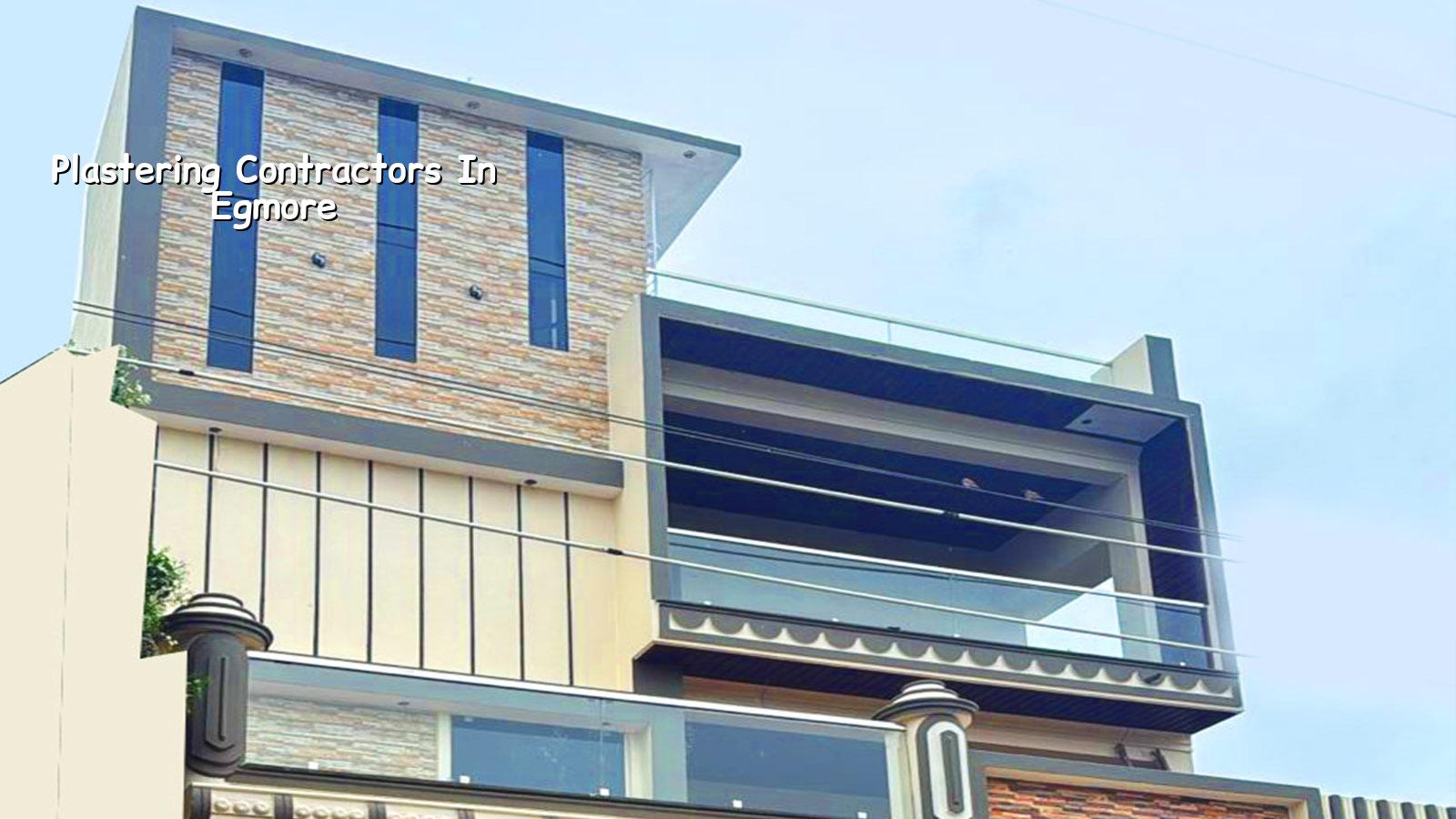
What Egmore sites usually need
In Egmore, plastering is often tied to repair work in older homes, staircases, service rooms, and ceiling edges where years of seepage have already weakened the surface. Small sites matter here. You may have only a narrow access path, a shared wall, or a room that has to stay usable while work happens. That changes the method. We do not bring a broad-brush plastering crew and hope the wall behaves. We first tap for hollowness, check for damp, and see whether the brickwork or concrete edge is sound enough to receive fresh plaster.
This is one of those areas where time lost at the start saves money later. If the old plaster is powdery, new plaster will separate from it. If the wall is damp, paint will fail even when the plaster looks fine. If the surface is uneven and nobody checks the line, the room will keep showing waves after every coat of emulsion. That is the real cost of poor plastering. Not the bag of cement. The rework.
How we prepare the surface
Plastering is only as good as the base under it. For RCC surfaces we check for shutter marks, honeycombing, and old paint that has lost grip. For masonry walls we look at joint depth and dust. Where there is seepage, we ask first why the moisture is coming through. A plaster layer on a wet wall is a short-lived repair. In many Egmore properties, the better answer is to correct the source, dry the wall, and then plaster.
Materials and mix matter
For normal internal work, a sound cement-sand plaster with proper curing is still the common choice. The mix, thickness, and bonding method change with the wall type and the finish you want. Too rich a mix can crack. Too lean a mix can dust off later. Too thick in one pass and the wall may slump or craze. On repair work, we often key the edges carefully so the new patch meets the old plaster without a visible ridge. That small step is what keeps the repair from showing through after paint.
Chennai heat pulls moisture out fast, so curing cannot be treated casually. Fresh plaster needs water at the right time, not once when someone remembers it. On a second-week monsoon site, the wall may feel wet outside and still dry too quickly in sheltered spots. That is why our site engineer checks both the surface and the weather before deciding how to cure the work.
- Inspect the wall — 1 to 2 hours for a room or a small repair area, longer if there is seepage, hollow plaster, or mixed old and new work.
- Remove weak material — 1 day for local hacking and cleaning; we cut back only what has failed, not more than needed.
- Set the line and level — half a day to 1 day, depending on the room size and whether you need a straight face for cupboards, dado, or paint finish.
- Apply the plaster coat — usually 1 to 2 days for a room, with timing controlled by wall area and thickness.
- Cure and check — 3 to 7 days of curing and follow-up, because the first sign of failure often appears only after the surface starts drying.
What good plastering should look like
People often ask for “smooth finish,” but that phrase by itself is vague. A proper plaster surface should be plane to the eye, firm under light tapping, and free from sand drag when you rub it after curing. It should not sound hollow in patches. It should not show hairline map cracks the moment the room warms up. Around openings, beams, and junctions, the finish should meet the adjoining work cleanly, without a lip that will show after putty and paint.
- No powder coming off when you rub the cured surface by hand.
- No hollow sound in patched zones when tapped lightly.
- Edges around beams, columns, and window reveals remain straight.
- Joints between old and new plaster are keyed and blended, not merely covered.
- Wet patches are explained before plastering begins, not ignored.
Cost, timing and what changes the price
For plastering work, the rate depends on how much surface is being covered, the condition of the base, the thickness needed, and how hard it is to reach the site. In Chennai, painting and finishing jobs are often priced by area, but plaster repair is never just a square-foot question. A wall with seepage, salt damage, or deep hacking takes more effort than a clean new wall. If you are comparing quotes, ask what preparation is included. That is where low numbers usually hide the extra charge.
We do not quote a total project price on a public page. For planning, the broader Chennai pricing band for painting and standard finishing work is only a reference; plastering itself is judged after inspection and included in the detailed BOQ. The BOQ is what settles the real figure before any contract is signed. That is the document you should insist on, especially for repair work in an older property where hidden damage is common.
| Work stage | What it covers | Typical time |
|---|---|---|
| Survey and marking | Surface check, damp spotting, line and level reference | Same day |
| Surface preparation | Hacking, cleaning, bonding treatment, edge cutting | 1 day |
| Plaster application | Base coat or repair coat, levelling and finishing | 1 to 2 days |
| Curing and inspection | Water curing, tap test, minor touch-up where needed | 3 to 7 days |
What to ask before you hire anyone
If you are choosing between plastering contractors, do not start with the price per square foot. Start with the surface plan. Ask what they will do if the old plaster is loose. Ask whether they will repair the leak first. Ask how they cure the work. Ask whether the line will be checked against a level, not eyeballed from the doorway. Ask for the BOQ. A fair contract should say what is included, what preparation is included, how many visits the site engineer will make, and when the payment is due.
One common mistake is hiring for “only patch work” when the whole wall has already failed in sections. Another is accepting a quote that excludes hacking, curing, or the primer-like bonding step before the new coat. You save a small amount on day one and spend more on paint, putty, and labour later. We see that pattern often on older Egmore interiors where the same wall has been repaired by three different hands.
How we work on site
We keep the work practical. Our in-house civil engineers and structural engineer review the surface condition, a site engineer attends every working day, and we send WhatsApp photo updates if you cannot stay on site. Shalom Construction has been working in Chennai since 2000, and we use a milestone-linked payment schedule with a detailed BOQ before contract signing. For plaster repairs in Egmore, that means you know what is being removed, what is being rebuilt, and what finish is expected before the first bag is opened. If you want us to look at a wall or ceiling, call +91 97107 13838 or write to info@shalomconstruction.com.
Frequently Asked Questions
Good plastering disappears into the room. You notice it only when it is wrong. That is why the best time to talk about it is before paint, not after the first coat has exposed every ridge and patch.
Plastering Work in Egmore
If you need a site check, a repair plan, or a BOQ-based quotation, we can visit and inspect the wall before you commit to the work.
Request a Quote Call +91 97107 13838