


Old House Renovation in Egmore
Old house renovation in Egmore starts with a check of the structure, not the paint. In a neighbourhood with older buildings, tight streets and mixed-use plots, the wrong first decision is usually to tear out finishes before you know what the beams, slab, terrace and walls are doing.
If you are trying to make an older house safer, drier and easier to live in, this page will help you sort repair from replacement. We’ll also show you what the local approval path looks like, which problems are common in older central Chennai houses, and where a renovation budget usually goes.
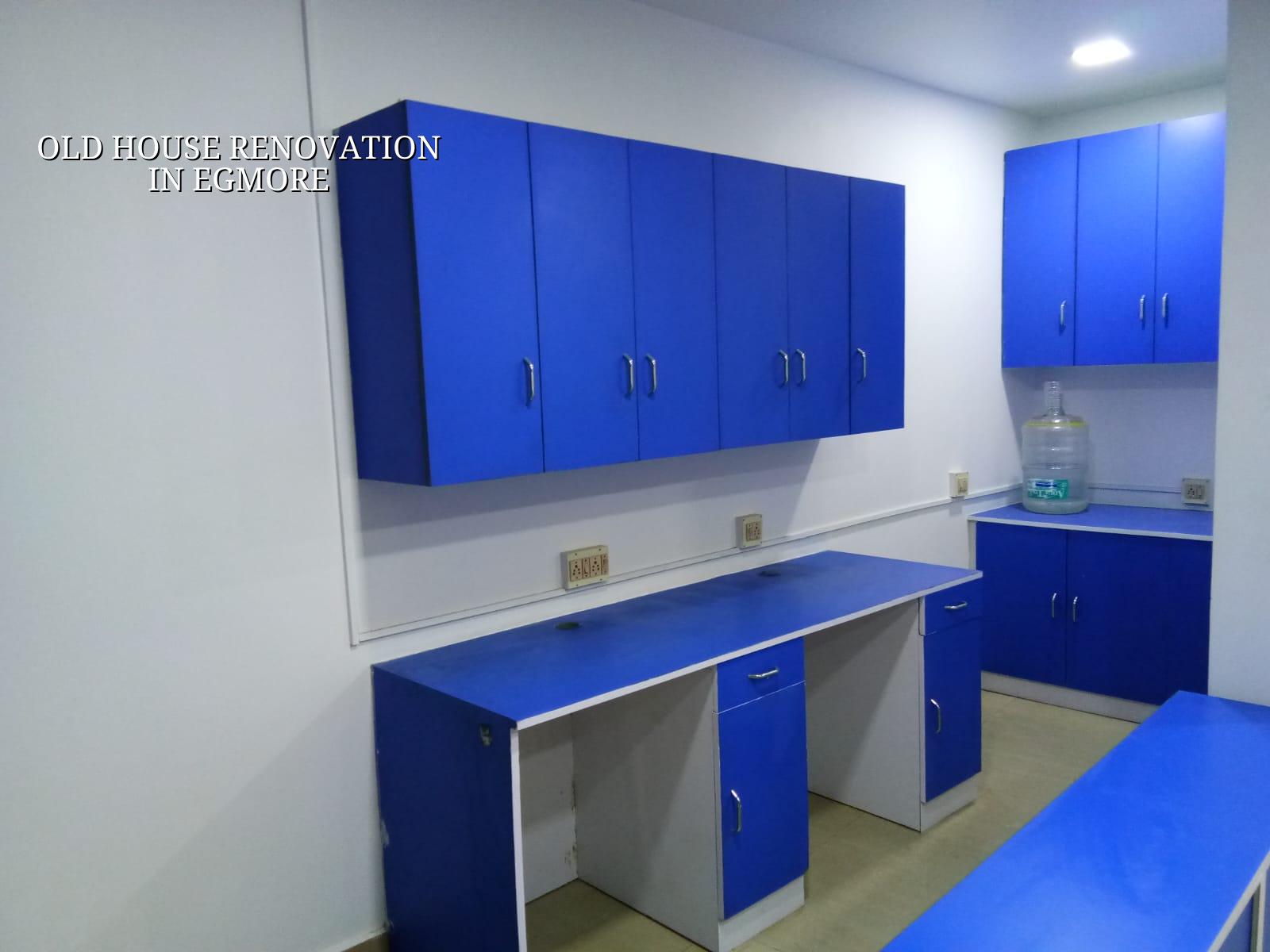
What Egmore changes on site
Egmore is not a place where you get generous staging space or easy truck access. Streets are tighter than in newer layouts, neighbour parking is constant, and a renovation often has to be sequenced around the road, the pedestrian flow and the people living next door. That means material unloading, debris removal and shuttering storage need a plan before the first hammer strike.
The other thing we see in older central Chennai work is mixed building history. One portion may be original load-bearing masonry, another may have had an RCC addition later, and a terrace room may sit on a different construction logic altogether. If you assume the whole house behaves the same, you miss the weak link.
For Egmore, we also watch how the building has aged under Chennai weather. Water seepage, rust staining, cracked plaster and roof leakage are common signs that the real issue is not cosmetic. In some houses the finish failure is only the symptom; the cause is poor terrace slope, corroded reinforcement, blocked rainwater disposal or a past alteration that shifted loads badly.
What we inspect first
We start by checking the building as it stands, not as the owner remembers it. A renovation on an old house should begin with the foundation of facts: cracks, slab deflection, terrace leakage, wall dampness, member corrosion, past extensions, plumbing routes, electrical load and any visible settlement. If there’s a crack pattern, we map it. If there’s seepage, we trace it. If there’s a slab patch, we ask why it was patched in the first place.
Typical failure points in old houses
In older houses around central Chennai, the usual trouble starts in five places. Terrace waterproofing fails first. Then steel corrosion shows up in the slab edge or the chajjas. Bathroom leaks travel through walls and reappear in another room. External plaster becomes hollow because moisture has been working behind it for years. And once one portion of the house gets altered without a proper structural check, doors start sticking and hairline cracks spread from the corners.
Not every crack is serious, and not every damp patch needs demolition. That distinction matters. We often find that a localised repair, done properly, gives the house years more life. But if a beam is rusted, a column has a spalled cover or a slab has already lost section, cosmetic work is money spent to hide a problem.
- Condition survey — We inspect the house room by room, note cracks, seepage, rusting and past alterations, and decide what needs opening up. This usually takes 1 to 2 site visits.
- Testing and measurement — We measure member sizes, levels and damage extent, and where needed we recommend non-destructive checks or soil-related review before repair design.
- Repair strategy — We separate minor civil repair, waterproofing, structural strengthening and full replacement zones so you’re not paying for unnecessary demolition.
- Execution in stages — We carry out demolition, repairs, services, plastering, waterproofing and finishing in a sequence that keeps the house usable where possible.
- Final checks — We test leakage points, verify finishes, and look again at the places that failed before, especially terraces, toilets and external walls.
Repair, rebuild, or add on?
This is the question people usually ask after the first inspection. The honest answer is: it depends on the structure, not on the age alone. A 35-year-old house can sometimes be repaired more safely than a 15-year-old house with a bad addition. Age tells you almost nothing by itself.
If the frame is sound and the trouble is mostly seepage, plaster damage, floor finishing or outdated layout, renovation is the sensible route. If the house has repeated settlement, major reinforcement corrosion, uncontrolled alterations or a bad load path, then partial rebuilding is often safer. And if you want a bigger change in room arrangement, staircase position or vertical expansion, the structure may need redesign rather than patching.
The common mistake is to spend first on tiles, paint and cupboards, then discover the terrace leaks every monsoon. That sequence wastes money. In a proper old-house job, structure and waterproofing come before finishes. Finishes are the last thing we touch because they are the easiest thing to ruin if the building still has a hidden problem.
- Ask for a crack and seepage map before any demolition starts.
- Check whether the terrace has proper slope and functioning rainwater disposal.
- Confirm what part of the house is load-bearing and what part is an added RCC frame.
- Look for rust staining, spalled concrete and exposed steel at slab edges and balconies.
- Verify whether any past room additions were done with drawings or just built on site.
- Insist on a BOQ before contract signing, so repair, waterproofing and finishing are all priced separately.
Approvals, access and cost drivers
For a renovation in Egmore, the approval route depends on the building and the extent of work. Inside Chennai city limits, the building licence route comes through the Greater Chennai Corporation, while CMDA remains the planning authority for the metropolitan area. If the work is only internal repair, the paperwork is lighter. If you change the building footprint, add floors or alter structural elements, the documents matter much more.
The usual papers for a serious renovation job are the patta, encumbrance certificate, FMB sketch, existing drawings if available, structural stability certificate and drainage details. If the house sits in an older parcel with missing records, we first sort out what is available before promising a date. Renovation projects slow down when ownership papers are assumed to be “fine” and then become a last-minute problem.
Cost is driven by what is hidden, not by what is visible. Demolition is easy to estimate. Waterproofing is not expensive until you open the terrace and find failed layers. Electrical rewiring is straightforward until the old routes are impossible to trace. Where the site is tight and access is poor, labour and debris handling also move the number. For Chennai, renovation rates are usually discussed only after the BOQ is built.
| Work head | What it covers | Typical planning note |
|---|---|---|
| Condition survey | Cracks, seepage, member damage, alteration review | Done before any demolition quote is fixed |
| Structural repair | Beam, slab, column patching or strengthening | Needed only where the structure has lost capacity |
| Waterproofing | Terrace, toilets, external wall junctions | Must be matched to the source of leakage |
| Finishes | Plaster, paint, tiles, joinery touch-ups | Last stage, after wet works are stable |
How we handle old-house work
We approach renovation with the same team that handles our new construction jobs: in-house civil engineers, a structural engineer and an architect. A site engineer is on site every working day, and for clients who can’t visit often, we send weekly photo updates on WhatsApp. Before we sign anything, we prepare a detailed BOQ and fix the payment schedule in milestones, so there’s no guesswork about what comes next.
When the work is structural, we design to Indian standards, including IS 456:2000, IS 1893:2016, IS 875 and NBC 2016. If the house needs a soil-related check for foundation decisions, we ask for it before choosing the repair method. If you want to talk through an Egmore renovation or book a site visit, call +91 97107 13838 or write to info@shalomconstruction.com.
Frequently Asked Questions
Need old house renovation in Egmore?
If you want us to inspect the house, prepare a BOQ or talk through what should be repaired first, get in touch and we’ll schedule a visit.
Request a Quote Call +91 97107 13838Older houses deserve a careful look, not a rushed makeover. If you get the sequence right, the building becomes easier to live with and a lot less expensive to keep patching every monsoon.
We’ve found that the best renovation jobs are the ones where the owner asks hard questions early. That’s usually the sign the work will last.