


Building Inspection Services in Kelambakkam
If you're seeing cracks, damp patches, sloping floors, or a wall that sounds hollow, building inspection services in Kelambakkam should start before the repair quote. The first job is not to sell you a fix; it's to find out whether the problem is surface damage, water entry, or a structural issue.
That matters more here because many plots sit in areas that hold water after heavy rain, and the same stain on a ceiling can come from a failed terrace waterproofing layer, a broken pipe, or a beam that needs attention. We inspect the building, identify the cause, and tell you what can wait, what cannot, and what should be opened up before you spend money on patchwork.
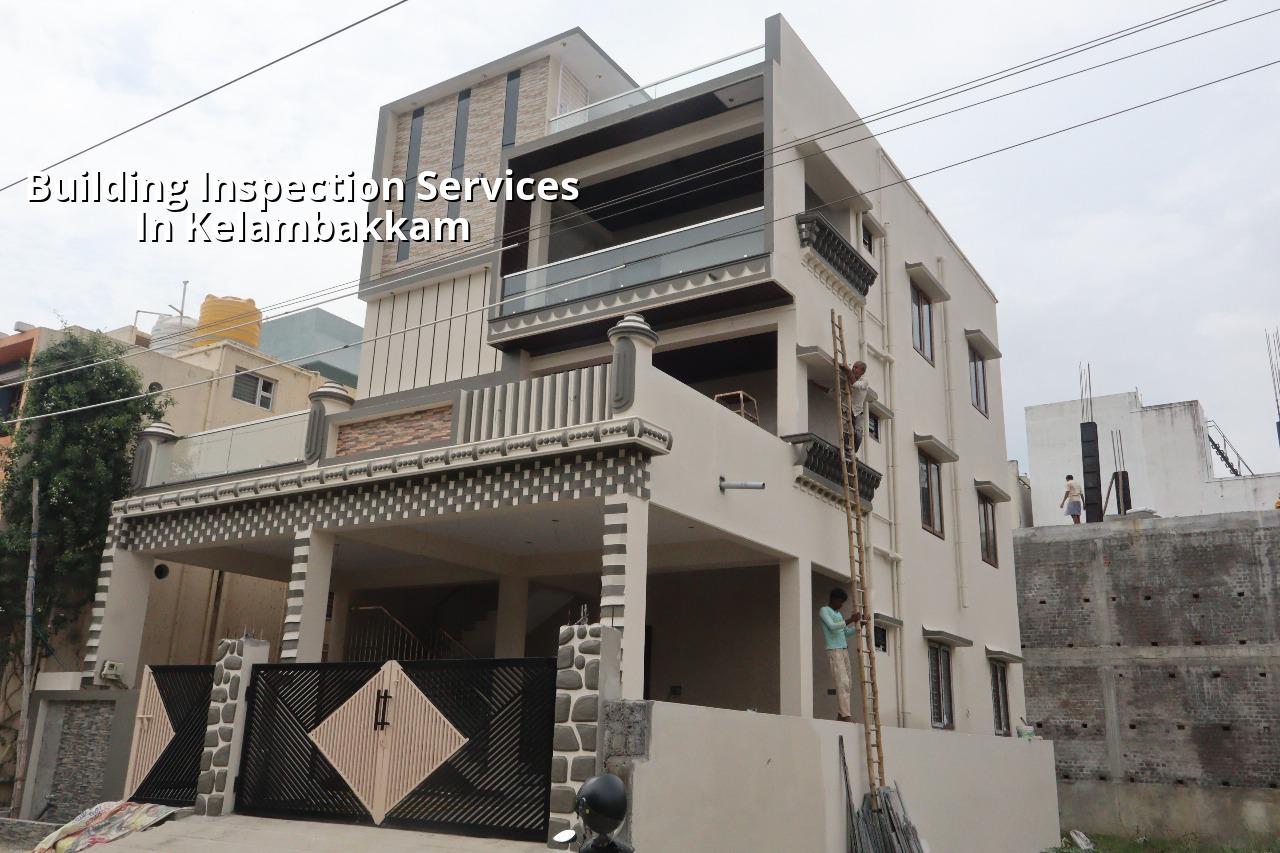
What Kelambakkam sites need checked first
Kelambakkam is a southern growth belt where many homes are newer than the older central city stock, yet the common failures are familiar: seepage from the roof slab, hairline cracks at masonry joints, settlement at plinth edges, and dampness where drainage is poor. In this side of Chennai, the ground and drainage often decide what the building is asking you to do. If the site has low spots, water sits near the compound wall and around the plinth, and that shows up as dampness in the first rain cycle. If the plot was filled in a hurry, we look harder at slab level changes, external cracks, and any sign that doors are going out of square.
We also look at the way the building sits on the plot. A house near the Kelambakkam–Vandalur road may have better access for repair work, while a tighter layout with shared walls and narrow setbacks needs a gentler inspection plan. You cannot treat every crack the same. A vertical crack in plaster may be harmless. A stepped crack running through masonry near a beam line needs a proper structural eye on it.
What we inspect and why it matters
Our inspection covers the parts that usually tell the truth first: slabs, beams, columns, walls, terrace waterproofing, wet areas, balconies, plinth protection, and visible drainage paths. We also check the obvious trouble points people often miss. A leak in a toilet above a living room may show up only as a stain on the ceiling below. A fine crack beside a window opening may come from shrinkage, or it may mean the opening was detailed badly and is pulling under movement. We do not guess from the paint finish.
Engineering checks, not only a visual walk-through
Shalom Construction works with in-house civil engineers, a structural engineer, and an architect, so the inspection is not left to a single pair of eyes. Where needed, we review the structural line against Indian design standards such as IS 456:2000, IS 1893:2016, IS 875, and NBC 2016, then decide whether the issue is cosmetic, repairable, or worth a deeper investigation. For an occupied house, that distinction matters. Opening every crack is unnecessary. Ignoring a recurring crack after repair is worse.
In practice, the inspection has three questions: where is the defect, why did it form, and what should happen next. If the answer is water, the repair may be drainage, slope correction, or waterproofing detail. If the answer is movement, we study the load path and look for support changes, settlement signs, or distress around openings. If the answer is old age, the repair can still be modest, but only after we know the affected zone is stable.
- Site walk and first notes — We start with a visual sweep of the exterior and interior, usually within the first hour on site. Cracks, stains, deflection, and settlement signs are marked room by room.
- Measure and document — We record crack width, dampness locations, slope issues, and visible distress points. Photos help later because people remember the stain, not the exact place.
- Check the likely cause — We compare the defect pattern with drainage, plumbing routes, terrace slope, and structural line. This stage usually takes the most judgement.
- Recommend the next step — We tell you whether the issue needs repair, monitoring, or a deeper structural review. If a soil or foundation question exists, we say so plainly.
How we tell a bad crack from a normal one
Most people call us when they see a crack and want a yes-or-no answer. The honest answer is that the crack itself is only the clue. What matters is direction, location, and whether it is growing. A thin plaster crack along a long wall can come from drying shrinkage. A crack that follows a beam-column junction, repeats after filling, or widens during monsoon deserves more respect. In a coastal belt like the Chennai south side, moisture movement makes the picture noisier, so the inspection has to separate water effects from structural effects.
Here is the practical rule we use: if the defect is local, dry, and stable, the repair is usually local. If the defect repeats, changes after rain, or appears in multiple connected locations, we look deeper. That saves money, and it also stops the common mistake of painting over a condition that will reappear in six weeks.
- Cracks that return after putty work or repainting
- Damp marks that grow after every rain
- Doors or windows that started rubbing recently
- Tiles that sound hollow in a line, not in one spot
- Visible slope toward one side of the terrace or balcony
- Rust stains or swelling near slab edges or balcony joints
Inspection outcomes, report types and what you should expect
A proper inspection should end with a clear note, not a vague opinion. For ordinary residential checks, we usually give you a written summary of findings, the likely causes, and the repair priority. If the issue is more serious, the note should say that a structural engineer needs to review the affected portion in detail and that no finish work should begin until the cause is settled. The report does not need to be full of jargon. It needs to be usable by the owner, the contractor, and if needed, the valuer or lender.
| Finding | Likely cause | What to do next |
|---|---|---|
| Hairline plaster crack | Drying shrinkage or minor movement | Monitor, then repair only after the line stays stable |
| Ceiling stain after rain | Terrace seepage or plumbing leak | Trace the source before patching the finish |
| Stepped masonry crack | Movement at the wall or support line | Structural review before cosmetic repair |
| Floor tile lift or hollow sound | Bond failure, moisture, or movement | Open a sample zone and inspect the base layer |
The table is not the repair quote. It is the first sorting tool. A real BOQ follows only after the defect is understood, because the same stain can lead to a small waterproofing job or a much larger repair package. That is why we do not promise a fixed total on first sight.
Approval, repair and timing issues people forget
When an inspection turns up a structural concern, the question becomes not just repair, but permission and sequence. Inside the Chennai metropolitan area, the planning authority may be CMDA, and the local building licence depends on where the plot sits. For an existing building, the immediate issue is usually not a fresh licence but whether the repair touches structure, height, or approved use. If it does, the papers matter. Patta, encumbrance certificate, FMB sketch, approved drawings, structural stability certificate, and drainage details may all come into play.
If the building is near the airport side, height clearance can matter for larger changes. If the issue is inside an occupied home, the repair sequence matters even more. We often tell clients to fix the leak source before doing any finishing, because new paint over wet concrete is a waste of money. In monsoon months, that mistake shows up quickly. A wall that looked fine in summer will tell the truth in the second week of rain.
For a typical inspection-led repair path, this is the order that works:
- Inspect and classify — identify whether the problem is cosmetic, moisture-related, or structural.
- Open a small test zone — only where needed, so you do not destroy good finishes by guesswork.
- Confirm the cause — check drainage slope, waterproofing layer, pipe routes, or structural distress.
- Prepare the repair scope — only after the cause is known, with material and labour stages written down.
- Execute and recheck — after repair, we look again during or after the next rain cycle if water was the problem.
How we work on inspection jobs
We keep this simple. One of our site engineers visits every working day on active projects, and for inspection jobs we use that same field habit: look, measure, document, explain. Our managing director, Mr. D. Salamon Ashok Rajan, a civil engineer, reviews the technical side personally. If you cannot visit the site, we send photo updates by WhatsApp. If the issue needs a more detailed repair plan, we prepare a BOQ before any contract is signed, so you can compare scope, not just a headline rate.
If you want us to look at a house, villa, apartment, or commercial unit in Kelambakkam, call us at +91 97107 13838 or write to info@shalomconstruction.com. If the site is already linked to a renovation or structural repair, our renovation and projects pages may help you frame the next step before we meet.
Frequently Asked Questions
Some problems need a repair. Some need a pause. A good inspection saves you from paying for the wrong one.
Building Inspection Services in Kelambakkam
Send us the site photos or ask for a visit. We can review the defect, explain the likely cause, and prepare the next step from the BOQ side if repair work is needed.
Request a Quote Call +91 97107 13838