


Building Inspection Services in Koyambedu
If you need building inspection services in Koyambedu, you probably already see a crack, a damp patch, a sagging slab edge, or a room that no longer feels right. The first job is not repair. It is to find out whether the problem is cosmetic, structural, or caused by water getting into the building.
That matters in Koyambedu because a lot of buildings here sit on busy plots near the market, bus traffic, and old service lines. We inspect the structure, the drainage paths, the concrete condition, and the visible signs of movement so you can decide with facts instead of guesswork.
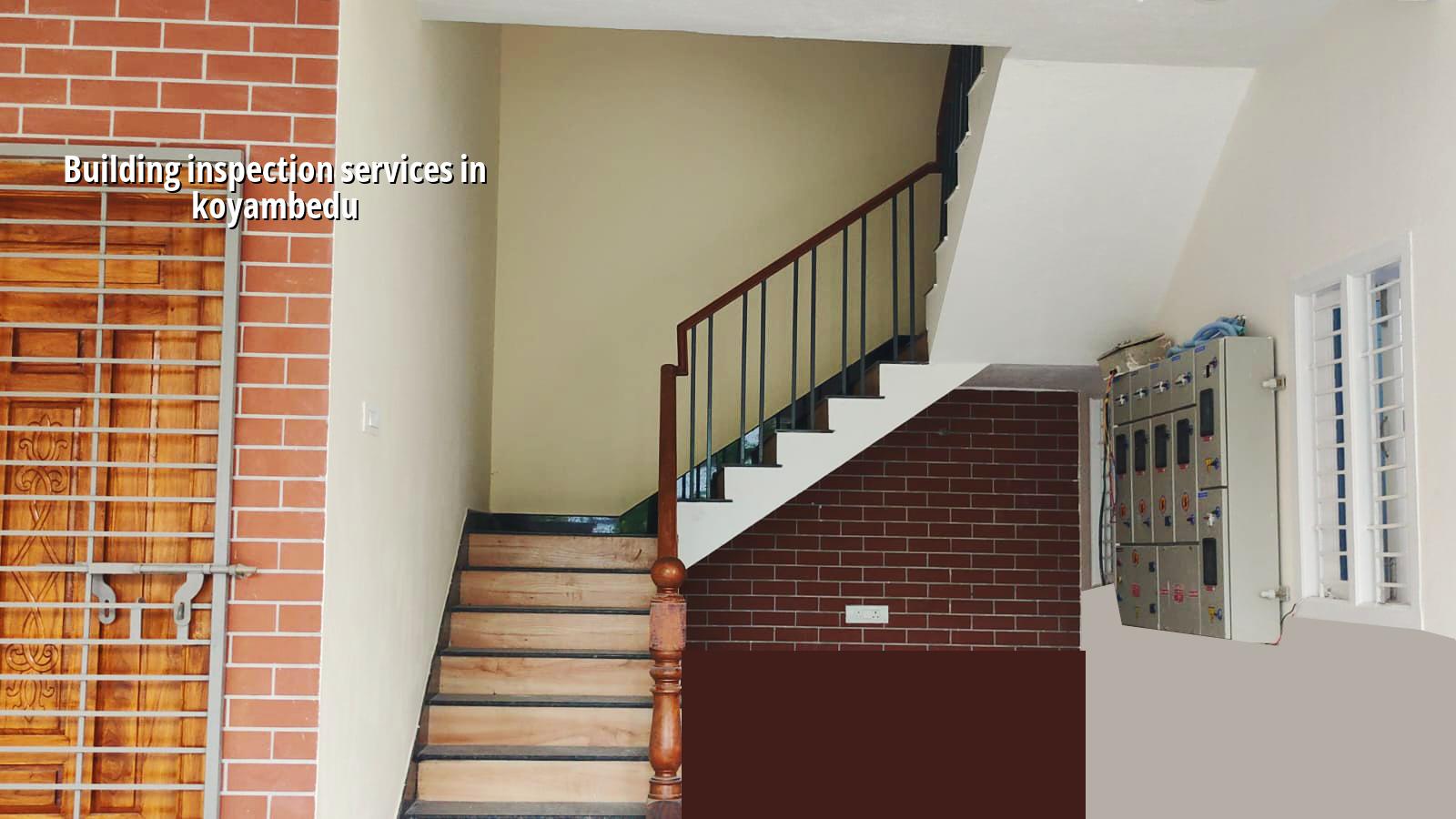
What Koyambedu changes on site
Koyambedu is not a quiet residential pocket. The roads carry heavy vehicles, the market area keeps the streets active for long hours, and many buildings here have mixed use or older construction with later additions. That means we pay close attention to settlement cracks, vibration-related distress, roof leakage, and the way water moves from terrace to drain to street. In a place like this, the cause is often not one thing. A blocked rainwater path can show up as a wall crack two floors away.
We also look at how the plot is used today. A building that began as a house and later picked up a shop front, extra floor load, or a storage room has different stress than the original drawings assumed. If the occupation changed, the inspection has to check whether the structure still matches the use. That is where many owners get surprised.
The approval side matters too. If inspection leads to strengthening, renovation, or change in use, the local body route and the drawings must match the building as it stands. In Chennai Metropolitan Area, the planning side sits with CMDA, while the licence process depends on whether the plot falls under Greater Chennai Corporation, a municipality, a town panchayat, or another local body. We keep that in mind before anyone spends money on repair.
What we check first
An inspection is a sequence, not a quick walk-through. We start with the signs that tell the truth fastest: diagonal cracks, separation at beam-column junctions, rust marks, damp patches, deflected slabs, uneven floors, and doors that no longer shut properly. Those signs tell us where to look deeper.
Typical inspection points
We normally inspect the foundation symptoms, the plinth zone, columns, beams, slabs, staircase members, terrace waterproofing, parapet walls, and the drainage path around the building. If the building has a basement or a sunken service area, we check for seepage and joint failure there too. If there is visible corrosion, we note the extent of cover loss, spalling, and bar exposure before suggesting any repair method.
For many owners, the hardest part is not seeing the crack. It is understanding whether that crack has stayed stable for years or has just started moving. That is why we compare crack width, direction, location, and pattern. A hairline crack in plaster is one thing. A widening crack through masonry near a column is something else.
- Site walk and visual mapping — We trace the visible distress, photograph it, and mark locations. This usually takes the first visit.
- Measurement and level check — We check slope, floor unevenness, crack width, and signs of deflection. A small level variation can point to a larger issue.
- Cause separation — We separate water-related damage, workmanship defects, ageing, and structural distress so you don’t repair the wrong thing.
- Report and next steps — We explain what is urgent, what can wait, and what needs design input or a stability review.
Inspection, not guesswork
Most owners call for two reasons: they are buying an existing building, or they are worried about a defect they can see. In both cases, the inspection has to answer a simple question. Is the building safe to continue using as it is, or does it need repair before anyone stays, leases, renovates, or expands it?
We don’t treat every crack as a structural emergency. That would be lazy work. We also don’t dismiss every crack as paint failure. That is worse. A correct inspection tells you where the real risk sits and where money would be wasted if spent too early.
- Ask for a crack map, not just a verbal opinion.
- Check whether roof leakage is only on the finish layer or has reached the slab and reinforcement.
- See whether floors are sloping toward drains or away from them.
- Confirm whether any later wall removal, staircase change, or extra load was added without structural review.
- Keep old drawings, if you have them, beside the inspection notes.
- Ask what the report does not cover, especially if destructive testing was not done.
Typical findings and what they mean
In older buildings around central and west Chennai, we often find a mix of issues: plaster cracks from shrinkage, terrace leakage from failed waterproofing, corrosion at exposed reinforcement, and settlement at weak soil edges or altered service trenches. In Koyambedu, the traffic and occupation pattern often add vibration and patchwork modifications to that list. The answer is not always demolition. Often it is staged repair, load control, and proper waterproofing before anything else.
| Finding | What it usually suggests | What we check next |
|---|---|---|
| Hairline plaster crack | Finish shrinkage or minor movement | Crack pattern, width, and whether it changes over time |
| Diagonal crack near opening | Movement in masonry or load transfer issue | Door window alignment, wall support, and nearby beam line |
| Rust stain or spalling | Water ingress and reinforcement corrosion | Cover depth, leakage source, and extent of damaged concrete |
| Sloping floor or step difference | Settlement, slab deflection, or bad screed work | Level survey and support condition below |
How the report helps you decide
The point of building inspection services in Koyambedu is not a thick file for the shelf. It is a practical decision sheet. You should know whether you can keep using the building, whether you need monitoring for a few weeks, whether a repair contractor can start, or whether a structural engineer must redesign part of the work first.
If you are buying a property, the report helps you price the risk. If the building needs major repair, the asking price should reflect that. If you already own it, the report tells you what to fix first so water and corrosion do not spread into the better parts of the structure. That is where people save money, not by skipping the inspection.
One honest limitation: an inspection is only as good as what is visible and what the building owner allows us to open up. Some problems hide inside finished surfaces. If we suspect deeper distress, we say so clearly. A careful report should contain that warning, not pretend certainty.
How we work
We keep the process simple. Our in-house civil engineers and structural engineer visit the site, the site engineer stays involved on working days, and Mr. D. Salamon Ashok Rajan reviews the technical side when needed. If you cannot come to site, we share photo updates by WhatsApp and explain the findings in plain language. For repair or strengthening follow-up, we prepare a BOQ before any contract is signed. If your building is near Koyambedu market roads and you want a site visit, call +91 97107 13838 or write to info@shalomconstruction.com.
Frequently Asked Questions
When a building starts giving small signs, it is easier to read them early than to explain them after a larger failure. If you want a proper inspection in Koyambedu, we’ll look at the building the way a repair contractor should have looked at it in the first place.
Building Inspection Services in Koyambedu
Call us for a site visit or send your photos first. We can review the visible distress, tell you what needs checking, and prepare the next step from there.
Request a Quote Call +91 97107 13838