


Building Inspection Services in Ambattur
If you need building inspection services in Ambattur, the usual reason is simple: you have seen a crack, a damp patch, a sag, or a wall that no longer looks right. In our line of work, that is the moment to check the building before you keep spending money on repairs that may not touch the real cause.
We inspect homes, flats, commercial buildings and industrial structures with the same first question: is this a finish problem, a maintenance problem, or a structural one? The answer changes the repair, the cost, and the risk. For an older building near a busy road or an industrial plot, that distinction matters even more.
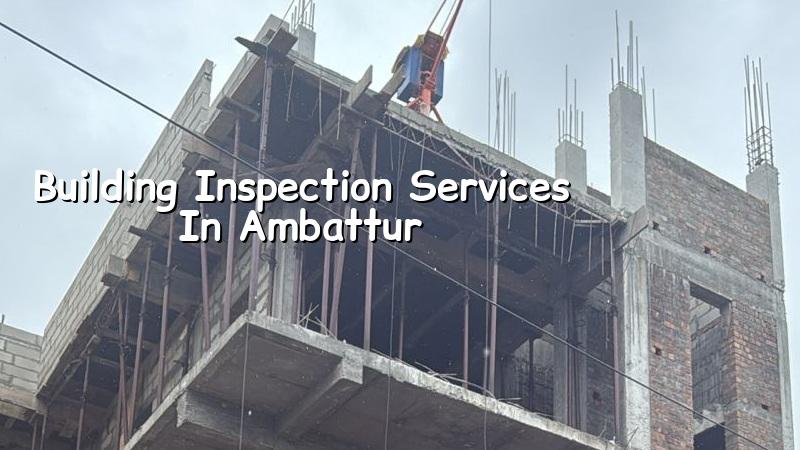
What Ambattur changes on site
Ambattur is not a quiet residential pocket with only one kind of building. You have industrial sheds, warehouse blocks, apartment buildings, older independent houses and mixed-use structures close to one another. That mix affects inspection work because different buildings fail in different ways. A shed often shows corrosion at purlins, roof sheets and connection points. A house may show settlement cracks, damp at plinth level or slab leakage. A small apartment block may hide water ingress, cover issues and poor repairs done over the years.
The ground and the surroundings also matter. In parts of west Chennai, water movement after heavy rain can expose drainage problems quickly, and nearby loading, vibration and traffic can worsen existing cracks. We do not guess from the street. We check the building, the access, the age of the structure, the visible distress and the repair history, then decide what needs closer probing.
That is why an inspection here should not be just a quick walk-through with a phone camera. You need someone who knows where a harmless hairline crack ends and where a pattern of distress begins.
What we inspect and why
A proper inspection starts with the visible symptoms, then moves to the cause. Surface cracks can come from plaster shrinkage, but they can also show movement in the wall or slab. Damp may come from failed terrace waterproofing, broken plumbing, poor external finish, or a level difference that lets water sit against the wall. Rust stains are not cosmetic. They usually point to reinforcement corrosion, which means the concrete cover or waterproofing detail has already failed.
We look at structural members first: foundations where they are accessible, columns, beams, slabs, staircase zones and load-bearing walls if the building uses them. Then we look at the parts that make a building liveable: terrace, toilets, balconies, rainwater downpipes, external cracks, expansion joints, parapet walls and tank areas. In Ambattur, many buildings also need a hard look at service penetrations and old repairs, because patchwork repair often hides the original defect for a while and then fails again.
What a report should tell you
A useful report does not just say “cracks observed.” That tells you nothing you can act on. It should say where the crack is, what pattern it follows, whether it looks active, what may be causing it, what further test or opening-up is justified, and whether the problem is cosmetic, repairable, or potentially structural. If someone gives you only reassurance or only fear, that is not inspection. That is sales talk.
We usually tell clients one uncomfortable truth: not every visible fault needs structural repair, and not every repair job can be solved with putty and paint. The building decides the answer, not the contractor.
- Document review — We start with drawings, old repair records, photos and any previous engineer notes, usually in one visit or less if the papers are ready.
- Visual survey — We map cracks, damp areas, deflection signs, rust marks and settlement clues, and we compare one side of the building against the other.
- Measurements and probing — We check levels, widths, crack patterns and exposed concrete conditions; if needed, we recommend limited opening-up or test methods.
- Cause and priority note — We separate urgent issues from routine maintenance so you know what to fix first and what can wait.
- Report and repair plan — You get the findings, likely causes and a practical repair direction that can be turned into BOQ items.
How to verify an inspection before you pay
If you are comparing building inspection services in Ambattur, do not ask first, “How much?” Ask what the inspection actually covers. A fair inspection should be specific enough that another engineer could read the report and reach the same general conclusion. You should see the scope before the visit, not after the money is collected.
- Ask whether the inspection includes a written report, not only verbal comments on site.
- Ask what areas are checked: terrace, columns, beams, toilets, basement or stilt, external walls and roof edges.
- Ask if the report separates cosmetic defects from structural concerns.
- Ask whether the engineer will state what additional test, if any, is actually needed.
- Ask to see the contract stage where the scope ends and repair work begins.
- Ask for photographs with location references so you can track the same defect later.
- Ask how the builder or owner should act if a crack is active rather than dormant.
Cost, scope and what you should expect
Inspection itself is usually a small cost compared with the repair it may prevent. For structural inspection work, the fee depends on building size, access, age, the amount of visible distress and whether a report with follow-up testing is needed. We do not quote a flat total project figure for this because that would be careless. The detailed BOQ or inspection scope settles the real amount before any work starts.
What you should expect from the process is clarity. If the issue is minor, the report should say so plainly. If the issue needs strengthening, waterproofing correction or further engineering study, that should be said plainly too. The wrong habit is to delay until the crack becomes larger, then call it sudden. Usually it was visible earlier.
| Inspection stage | Typical time on site | What you get |
|---|---|---|
| Initial visual check | 1 to 2 hours | First impression, visible distress map and safety concerns |
| Detailed survey | Half day | Measured observations, defect categorisation and photo log |
| Engineer review | 1 to 3 working days | Cause analysis and repair direction |
| BOQ or repair scope | Based on size and findings | Repair items, quantities and stage-wise next steps |
How we work on an inspection call
We keep the process direct. Our in-house civil engineers and structural engineer handle the technical review, and a site engineer is on site every working day. If you cannot visit, we send photo updates by WhatsApp. For buildings in Ambattur, that helps when owners live elsewhere or the property is being managed by family, tenants or a factory office.
We use Indian standards where they apply, and we do not pretend to know a plot without checking it. If the inspection suggests a structural issue, we explain what needs to be opened, measured or tested before anyone starts repair. If you want that first conversation, call +91 97107 13838 or write to info@shalomconstruction.com. You can also see how we work on About or review our Projects page before you decide.
Frequently Asked Questions
If you are standing in front of a crack and wondering whether it is harmless, that is the right time to ask. Buildings rarely fail all at once; they talk first, and the signs are usually there if someone knows where to look.
Building inspection in Ambattur
Send us the photos, drawings or a short note about what you are seeing, and we will tell you what the next inspection step should be.
Request a Quote Call +91 97107 13838