


Building Inspection Services in Thiruvanmiyur
If you need building inspection services in Thiruvanmiyur, the first thing we look for is not the crack you can see. We look for the reason it formed, because a crack, a leak or a sloping floor is usually the last sign of a longer problem.
This page explains what a proper inspection covers, what a report should contain, and when a building needs repair, strengthening or only monitoring. If you are buying, renovating or worried about a column, you should know the difference before you spend on the wrong fix.
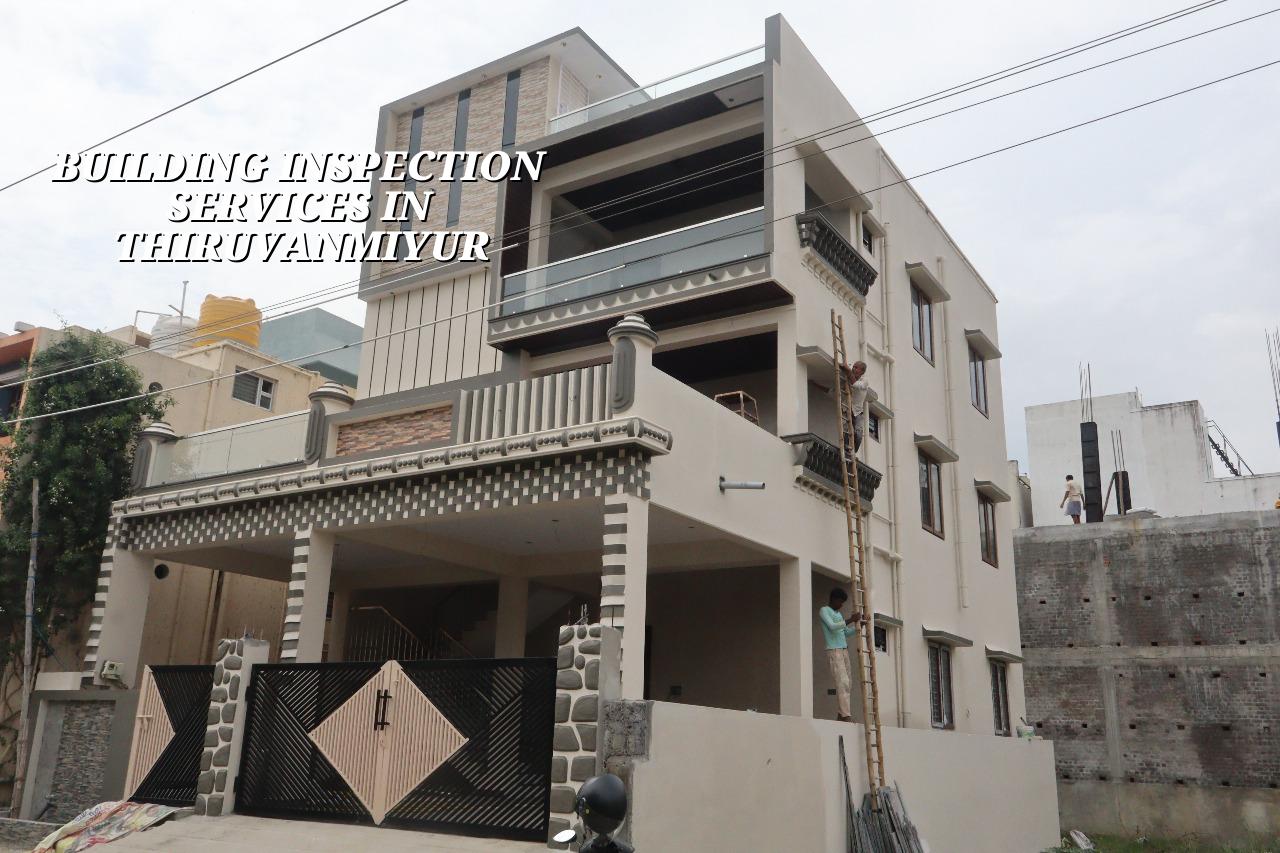
Why Thiruvanmiyur needs a careful inspection
Thiruvanmiyur sits on Chennai's coastal side, so we pay attention to corrosion, dampness and finish failure much earlier than we would in a dry inland plot. Salt-laden air, older RCC frames, terrace waterproofing patches and repeated plumbing leaks all show up as hairline cracks, rust stains and peeling plaster if nobody has checked them properly. In our work, that is where we find the real story.
Plots here also tend to mix older independent houses, apartments and remodelled buildings. That matters because the inspection approach changes with the building age and the way it was altered. A house that had a new floor added later needs a different look at load transfer, column continuity and stair openings than a building that has stayed in its original form.
For approvals and formal records, the local building body is part of the picture too. In the Chennai Metropolitan Area, CMDA rules the planning side, and the licence authority depends on the exact plot location. An inspection report does not replace that paperwork, but it often gives you the technical basis to ask the right questions before you start repair or redevelopment.
What we inspect first
The first pass is always visual, but it is not casual. We start with the symptoms and then work back to the cause. That means checking the roof slab, sunshades, columns, beams, external plaster, toilet walls, basement or stilt areas, and any place where steel rust may already be showing. In coastal Chennai, one missed rust patch can become a larger repair two monsoons later.
We also check how the building behaves as a whole. A floor that feels soft underfoot, a beam that has sagged at mid-span, a door frame that has gone out of square, or repeated seepage at the same corner tells us more than a fresh coat of paint ever will. If you only repair the surface, the same problem returns.
What a proper inspection report should say
A fair report should tell you whether the defect is cosmetic, service-related or structural. It should mark the locations, note the likely cause, and say what needs immediate attention and what can wait. We prefer clear language. If a column needs detailed structural review, the report should say so plainly instead of hiding behind vague words.
For a buyer, that report can protect you from inheriting someone else's shortcut. For a homeowner, it can stop a small leak from becoming a slab repair. For an association, it can help you decide whether to budget for patch repair, waterproofing or a more serious rehabilitation plan.
- Site walk and symptom mapping — 1 visit, usually a few hours, to mark cracks, seepage points, rust and settlement signs.
- Structural review — 1 to 2 days, depending on access, to check members, alterations and visible distress.
- Moisture and finish review — same visit or next day, to trace leakage paths from terrace, toilet or external walls.
- Report and next-step advice — within a short turnaround after inspection, with repair priorities and practical options.
Engineering checks that matter
We do not treat every crack as a structural failure, and we do not ignore every crack either. That distinction matters. RCC buildings behave according to IS 456:2000, load assumptions under IS 875, and seismic detailing expectations under IS 1893:2016. Chennai falls in Seismic Zone III, so detailing and continuity are not optional habits; they are part of the design logic that protects the building.
When we inspect, we ask whether the distress is coming from poor waterproofing, construction defects, corrosion, differential movement, or an overload introduced later. A terrace leak that has reached reinforcement needs a different response from a wall crack caused by shrinkage. If you mix those up, you waste time and money.
When a building needs more than a patch
Some defects are warning signs. Rust bleeding from a column, concrete cover that has broken away, repeated slab leakage, or a crack pattern that keeps widening after repairs are all reasons to move from patching to a proper structural assessment. We may recommend opening up selected areas, checking reinforcement condition, or planning strengthening work if the symptoms point that way.
There is also a case for doing nothing beyond monitoring. Not every surface crack needs chiselling. If the crack is stable, dry and clearly non-structural, the sensible move can be marking it, photographing it and checking it again after the next monsoon. That is cheaper than unnecessary demolition.
| Inspection area | What we look for | What it may mean |
|---|---|---|
| Columns and beams | Rust stains, spalling, cracks, exposed steel | Corrosion, loss of cover, or load-related distress |
| Roof slab and terrace | Water ponding, seepage marks, cracked screed | Waterproofing failure or slope issue |
| Toilets and wet areas | Damp walls, tile debonding, grout damage | Plumbing leak or waterproofing defect |
| Walls and openings | Diagonal cracks, frame distortion, repeated paint failure | Movement, settlement or alteration effects |
| Staircase and slabs | Sagging, vibration, honeycombing patches | Construction defect or overuse |
How the inspection is done
A real inspection is a sequence, not a quick walk-through. We begin by understanding what changed: a new floor, a recent leak, a renovation, a neighbour's excavation, or simply age. Then we check the structure in a fixed order, because random checking misses the chain of cause and effect.
- Ask when the damage first appeared and whether it changes in monsoon.
- Check the exterior first, because water often enters there before it shows inside.
- Inspect the roof, toilet zones and service lines for moisture paths.
- Review any later alterations, such as wall removal, stair changes or added loads.
- Note whether the crack is active, dry, stained, or widening.
- Decide whether simple repair, monitoring or structural review is the right next step.
That order saves time. It also stops a common mistake: people paint over a problem because the crack looked small. In the second monsoon after that, the stain returns, and now the owner has both the original defect and a fresh finish bill.
What affects cost and timeline
For inspection work, the cost depends on building size, access, number of areas to check, whether any opening-up is needed, and whether you need a written report for purchase, repair or association use. We do not quote a total project price on a public page, because the real figure comes from the scope and the BOQ. If repair follows the inspection, the repair rate will depend on the work type and finish level, and we settle that only after the defect map is clear.
Timeline changes with the same factors. A small villa can be inspected quickly if access is easy. A larger apartment block, or a building with repeated seepage in different flats, takes longer because the source may be above or beside the visible stain. In Thiruvanmiyur, access and parking around the street can also affect when we can bring a team in without blocking neighbours.
If you later move from inspection to repair, our Chennai construction rates are guided by the same public bands we use elsewhere: standard residential construction at ₹1,900 to ₹2,300 per sq ft, mid-premium at ₹2,300 to ₹2,800 per sq ft, and premium residential at ₹2,800 to ₹3,500+ per sq ft. But those figures are for construction, not for a standalone inspection, and the BOQ is what fixes the work before contract.
How we work on these cases
We keep the technical work in-house. Our civil engineers, structural engineer and architect review the issue together, and a site engineer stays on the job every working day once the work starts. If you cannot visit often, we send weekly photo updates on WhatsApp. Mr. D. Salamon Ashok Rajan reviews the project too, so the technical note does not get lost between office talk and site reality.
For a building inspection, that usually means a direct visit, a written observation, and then a plain conversation about whether you need repair, strengthening, waterproofing or only monitoring. If you want us to look at your building in Thiruvanmiyur or nearby Chennai areas, call +91 97107 13838 or write to info@shalomconstruction.com. You can also see our About, Renovation and Contact pages for more context.
Frequently Asked Questions
Most inspection calls start the same way: someone has noticed a crack, a leak or a patch that keeps failing. The useful part is not the patch itself. It is knowing what is causing it before you spend on paint, waterproofing or structural repair.
Book a building inspection in Thiruvanmiyur
If you want a site visit, a defect note or a BOQ-based repair discussion, call us or send a message and we will take it from there.
Request a Quote Call +91 97107 13838