


Building Inspection Services in Urapakkam
If you need Building Inspection Services in Urapakkam, you're usually looking at a crack, a damp patch, a sagging slab or a house you're about to buy. You want to know if the problem is cosmetic, repairable, or a sign that the structure has started moving.
We inspect the building the way a civil engineer should: not with guesses, and not with a sales pitch for repair work before the cause is clear. You get the likely reason, the parts that need closer checking, and the practical next step, whether that means monitoring, repair, or a structural redesign.
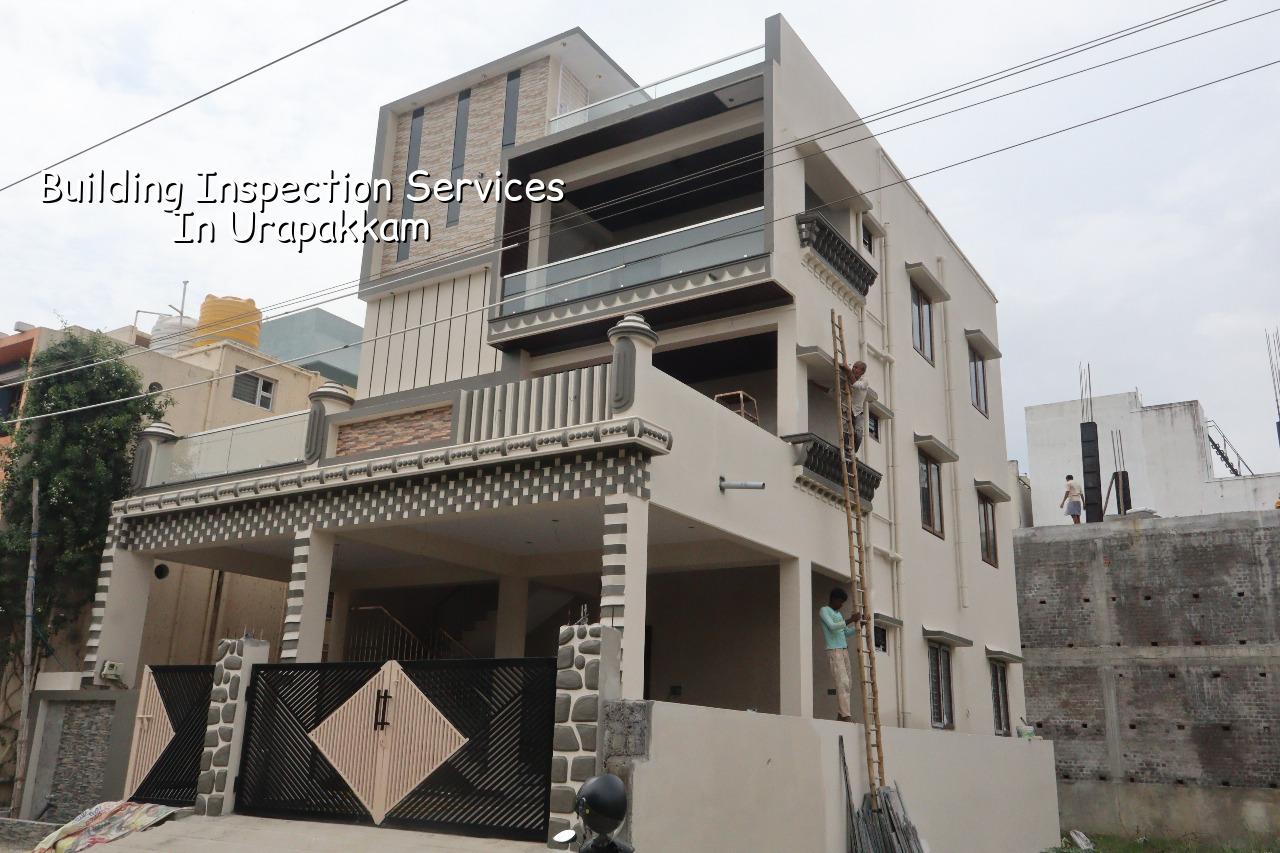
What Urapakkam plots usually need checked first
Urapakkam sits in the southern suburban belt where many plots came up fast, and that changes what we look for first. A lot of houses here were built during phased layout growth, sometimes before the surrounding drainage, access road level, and compound details settled properly. That means we don't start with paint, doors or flooring. We start with movement, moisture paths and the way the building meets the ground.
On many sites, the question is not "is the house old?" It is "was the house built on a plot that drained properly from day one?" If the plinth is low, if rainwater pools near the wall line, or if the site fill was never compacted well, the first symptoms show up as cracks, damp corners and settlement at the edge of the building. In a place like Urapakkam, those signs matter more than a polished interior.
We also look at access and neighbour constraints. In suburban Chennai, inspections often happen in homes where the street is narrow, the site has limited parking, and the owner has no easy way to expose the full foundation line. That is normal. We work around it and still inspect the structure properly.
What we inspect, and why
A proper building inspection is not just a walk-through. We check the structure, the moisture behaviour, the roof, and the visible service lines, then we connect the symptoms to a cause. A hairline crack in plaster is one thing. A crack that follows a beam-column junction is another. Same with seepage: a patch near a bathroom wall may be plumbing, but a damp line that appears after heavy rain may be site drainage or terrace waterproofing failure.
Common items we check
We look at crack pattern, slab deflection, beam and column joints, signs of corrosion, wall dampness, roof leakage, tile debonding, floor settlement, parapet condition, and water discharge points. If the building is being bought or renovated, we also check whether the visible distress is localised or linked to a wider issue. That difference decides whether you're spending on a small repair or on structural intervention.
- Visual survey — 30 to 60 minutes for a compact house, longer if the building has multiple levels or hidden damp areas.
- Crack and distress mapping — we mark the location, width, direction and pattern so the problem can be tracked, not just remembered.
- Moisture and drainage check — we examine terrace outlets, toilet wet areas, external slope and places where water may sit against the wall.
- Structural judgment — we separate finish defects from structural warning signs and state what needs repair, monitoring or further testing.
If the inspection shows a serious issue, we won't blur it with vague language. If it is a repairable problem, we'll say that too. Many owners only need a targeted repair plan, not demolition talk. That honesty saves money.
How to judge a building inspection report
The report should help you make a decision, not leave you with technical noise. A useful inspection note tells you where the problem is, how serious it looks, what probably caused it, and what to do next. If you're buying a house, the report should also tell you whether the visible defect affects negotiation, repair cost, or the decision to proceed at all.
Here's what we think a fair report contains, and what you should ask for before you pay anyone:
- Clear site photographs with the crack, leak or distress point marked.
- A simple explanation of whether the issue is finish-level, moisture-related or structural.
- Identification of likely cause, such as drainage, waterproofing, settlement, corrosion or poor workmanship.
- A direct next step: monitor, repair, open up for further checking, or redesign the affected member.
- Any limit of the inspection, especially where concealed portions could not be exposed.
- A note on whether a second visit is needed after monsoon rain or after opening the affected area.
People often ask for a certificate when what they really need is a decision. Those are not the same thing. An inspection helps you decide whether the building is safe to occupy, safe to buy, or safe to repair. A certificate may be useful in a specific process, but it does not replace engineering judgment on site.
Inspection, repair, or structural work?
This is the part owners usually want answered quickly, and fairly. Some problems are minor. Some are not. If the issue is damp plaster around a toilet shaft, the fix may be in the waterproofing and plumbing line. If the crack pattern follows a beam span or repeats floor to floor, we look harder at the load path and foundation behaviour. When the problem is tied to settlement, we need to know whether the foundation is adequate for the soil and the current load condition.
There is a trade-off here. A cheaper inspection is tempting, especially when you only want reassurance. But if the site is hiding settlement or corrosion, a quick opinion can cost more later. On the other hand, not every crack needs a full structural investigation. We tell you when the conservative choice is enough and when it is not.
| What you see | Likely concern | What we usually recommend |
|---|---|---|
| Hairline plaster crack | Finish shrinkage or minor movement | Monitor, then repair after checking if it grows |
| Damp wall near toilet or terrace | Waterproofing or plumbing leak | Open up the affected area and test the wet source |
| Diagonal crack near opening | Stress concentration or settlement | Check the crack pattern and adjacent members in detail |
| Rust stains or spalling concrete | Rebar corrosion and cover failure | Expose the member, assess loss and plan repair quickly |
What happens during the inspection
A good inspection is orderly. We don't jump from one room to another without a reason. We begin outside, because the outside tells you how the building drains and how the ground behaves. Then we move to the plinth, walls, roof and wet areas. If there are upper floors, we follow the path of load transfer and look for repeating symptoms.
The process below is how we usually handle a residential inspection in Chennai suburb settings like Urapakkam:
- Walk the site with you and hear the history of the problem.
- Check external levels, rainwater discharge and plinth line first.
- Inspect cracks, dampness, slab soffit, roof edges and bathroom zones.
- Photograph and note the distress so nothing gets forgotten later.
- Explain the likely cause, the seriousness and the next step in plain language.
We do not publish fixed setback, FSI or height numbers on a page like this, because inspection work is plot-specific. What matters on your site is the building age, the construction method, the soil behaviour, the water path and whether the distress is local or repeated. If needed, we can ask for opening-up, a soil-related check, or a structural review before any repair estimate is final.
How we work on inspection jobs
Our in-house civil engineers handle the visit, and a structural engineer is involved when the symptoms point to movement, corrosion or load concern. We share findings by WhatsApp photos if you cannot be present. When a repair or renovation is needed, we prepare a BOQ before any contract is signed, so the fix isn't based on guesswork. For larger issues, we align the recommendation with Indian standards such as IS 456:2000, IS 1893:2016, IS 875 and NBC 2016, and we keep rainfall and drainage in mind because Tamil Nadu expects rainwater harvesting to be addressed properly.
If you want us to inspect a house, an apartment block or a renovation site in Urapakkam, call us on +91 97107 13838 or write to info@shalomconstruction.com. You can also use our office contact through contact if you prefer to send the location and a few photos first.
Frequently Asked Questions
We keep the inspection honest because a building doesn't care about polite language. It either sheds water, carries load and stays within acceptable movement, or it doesn't.
Building Inspection Services in Urapakkam
Send us a few photos and the site location, and we'll tell you whether the issue needs an inspection visit, a repair quote, or a structural look. If you want to speak first, call +91 97107 13838 now.
Request a Quote Call +91 97107 13838