


Best Home Renovation in Kelambakkam
If you're planning the best home renovation in Kelambakkam, the first question is not paint shade or tile pattern. It's what the existing house can safely keep, what must be replaced, and what the plot and drainage are asking for before you spend on finishes.
Kelambakkam has a mix of older houses, newer layouts and homes that were built before the family's current needs changed. We work through that in the right order: inspect the structure, check moisture and service lines, write the BOQ, then fix the sequence so you're not opening finished work later to correct a hidden problem.
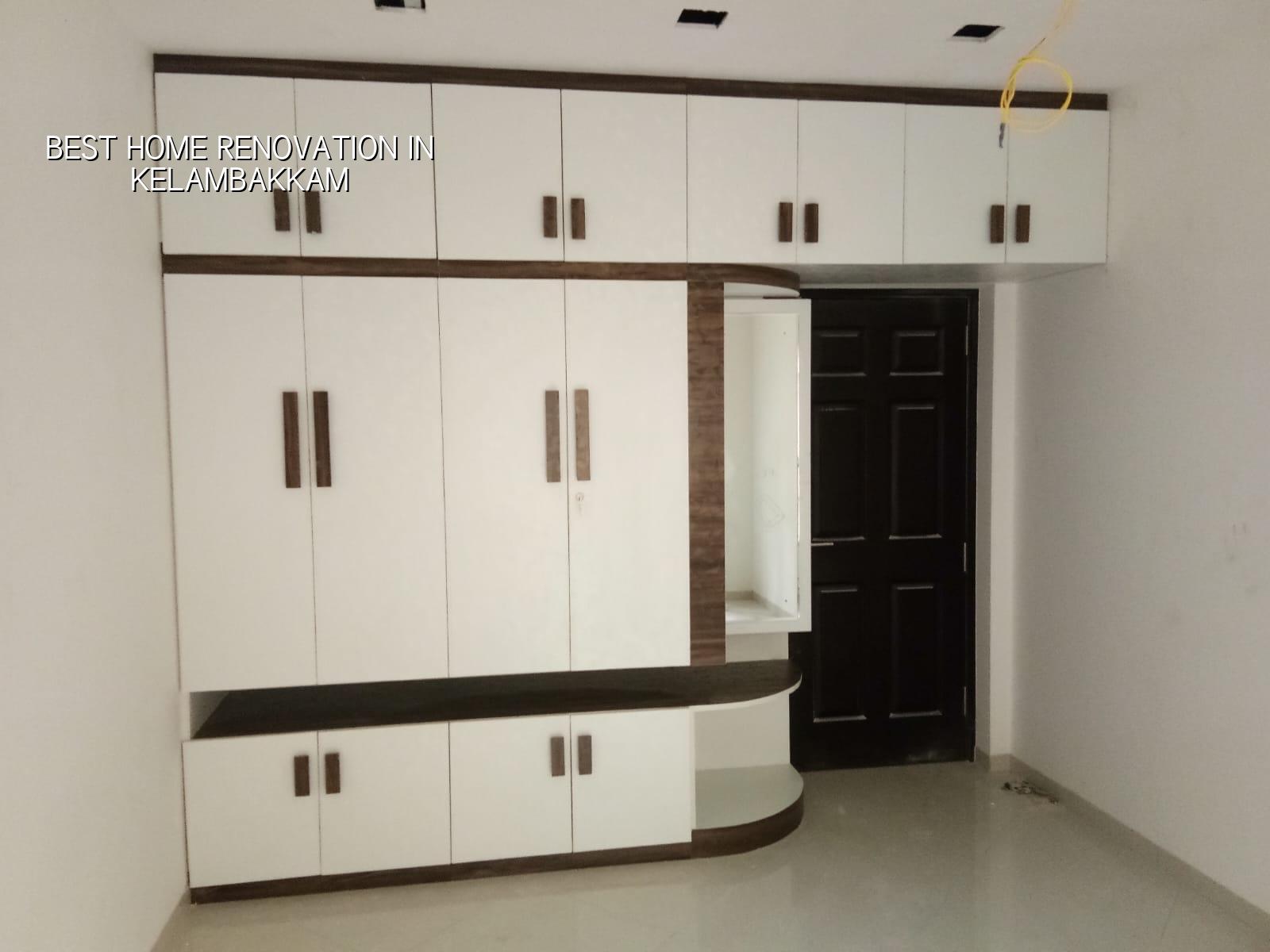
What Kelambakkam homes usually need first
Kelambakkam sits on the southern growth side of Chennai, with many plots that were developed in stages. That means we often see homes where one part is newer, one part is older, and the services were added as the family expanded. The common mistake is to start with cabinets and paint. If the roof slab has seepage, if floor levels trap water near the walls, or if plumbing lines are buried in the wrong place, the pretty work will not last.
The locality also changes site logistics. Roads in newer layouts can be easy for material movement, but the house itself may have been modified twice already. That calls for a slower start, not a faster one. We want to know where the old tiles end, where the new wiring begins, and whether the wet areas are failing because of waterproofing or because the slope outside the house is wrong.
In our experience, a renovation in this part of Chennai succeeds when you treat the house as an existing system, not a fresh build. The structure, plumbing, waterproofing, and finishes have to be read together.
How we inspect before any work starts
For structural renovation and major repair, we begin with a condition assessment. We look at visible cracks, roof seepage marks, rust stains, floor settlement, wall dampness and how the plumbing and electrical lines were run. If the house needs a structural opinion, our civil engineer and structural engineer review the load path and decide whether the issue is cosmetic, repairable, or a case where part of the structure must be strengthened.
We also check the plot level and surrounding drain direction. In low pockets, the problem is often not just inside the house. Water sitting near the compound wall or against a floor edge can keep reappearing after every monsoon. If that is ignored, interior work becomes an annual repair bill.
What we inspect on site
We keep it practical. No drama, just the points that decide cost and life span.
- Cracks in beams, columns, slabs and masonry walls, and whether they are live or old.
- Damp patches on toilets, kitchen walls, terrace ceilings and the base of external walls.
- Floor slope in bathrooms, utility areas and the front setback where water may collect.
- Condition of existing wiring, earthing, switchboard locations and whether new loads need rewiring.
- Age and route of plumbing lines, especially if the bathroom has been patched more than once.
- Access for material movement, debris removal and whether the neighbours will be affected by cutting work.
- Site review — one visit to map the issues, usually 1 to 2 days including measurements and photos.
- Condition report and BOQ — we list repair items, finish items and exclusions, then freeze the scope before quoting.
- Strip-out and protection — dismantling of only the agreed portions, with dust control and safe storage, about 2 to 5 days for a house renovation.
- Core repair work — crack repair, waterproofing, plumbing, wiring or masonry corrections, which can take 1 to 4 weeks depending on the house.
- Finishes and handover — plaster touch-ups, tiling, painting, fixtures and cleaning, usually 1 to 3 weeks.
Structural repair or cosmetic work?
This is the trade-off most owners have to resolve. Cosmetic renovation gives quick visible change. It's the right choice when the house is sound and you mainly need a new look, better storage, fresh paint, tile replacement or a kitchen and bathroom update. Structural repair is slower and less glamorous, but it is the correct choice when water entry, slab cracks, roof distress or settled floors are present.
We tell clients the uncomfortable part too: if you spend on interiors before fixing seepage, you may end up paying twice. On the other hand, not every crack needs a structural strengthening package. Some are plaster cracks, some are shrinkage cracks, and some are warning signs. The cost and method depend on that distinction, and that's why a site inspection comes before the quote.
| Work head | Typical scope | What moves the cost |
|---|---|---|
| Light renovation | Painting, minor plaster repairs, tile change, fixture replacement | Finish level, surface condition, access to rooms |
| Mid-level renovation | Kitchen, toilet upgrades, flooring, partial wiring and plumbing changes | Number of wet areas, material choice, demolition extent |
| Structural repair | Crack treatment, RCC repair, waterproofing, slab or beam strengthening | Extent of damage, inspection findings, method selected |
| Full house renovation | Combined civil, MEP and finish works | House size, site access, number of trades involved |
Documents, approvals and the local reality
For an internal renovation, you may not need the same approval trail as a fresh construction project, but that does not mean you can skip due care. If the work changes structure, adds floors, alters the footprint, touches drainage lines or affects the building's stability, we check what the local body expects. Kelambakkam falls outside the Corporation limits, so the licensing route is through the relevant local body, and the plot may still need Chennai Metropolitan Area planning compliance depending on location and scope.
The papers we usually ask to see are the patta, encumbrance certificate, FMB sketch if available, earlier approved drawings if the house has them, and any structural information the owner already has. If the project touches rainwater harvesting or drainage correction, we include that in the scope. In Tamil Nadu, rainwater harvesting is not an optional extra in spirit; it's part of how a house stays healthy through the monsoon.
What we cannot do is guess on paperwork. Every plot has its own history, and in renovation work old deviations are common. The right move is to document what exists, then decide whether the work is repair, alteration or a larger approval problem.
Rates, waste and where saving makes sense
For renovation, the rate depends on whether you're doing labour-only, material-inclusive finishes, or a fuller turnkey scope. As a rough Chennai reference, painting with labour and standard emulsion is ₹25 to ₹45 per sq ft, interior works are ₹1,200 to ₹2,500 per sq ft, and residential construction sits higher depending on finish level. Renovation itself moves with the same things: condition of the existing house, quantity of breaking work, plumbing rerouting, floor replacement, height of the building and how easy the site is to work in. The BOQ settles the real figure before we sign anything.
Saving is sensible when you simplify finishes, reuse serviceable doors or doorsets, and keep the layout close to the existing one. Saving is dangerous when you cut waterproofing, skip anti-corrosion treatment on exposed steel, or try to patch over failed plaster without finding the cause. A cheap paint job over damp walls will look good for a month. Then the patches come back through.
- Ask whether the quote includes demolition, debris removal and scaffolding.
- Check if waterproofing has a written method statement, not just a line item.
- See whether the electrical scope includes new conduit and earthing where required.
- Confirm who supplies sanitaryware, switches, tiles and adhesives.
- Look for milestone-linked payment stages, not a large advance for the whole job.
How we work on renovation jobs
We keep renovation work in-house with civil engineers, a structural engineer and an architect. A site engineer is on site every working day, and we share weekly photo updates by WhatsApp if you can't visit. Before the contract is signed, you get a detailed BOQ, and the payment stages are linked to milestones so the work and the money move in step. If you want us to look at an existing house in Kelambakkam, call us on +91 97107 13838 or write to info@shalomconstruction.com. Our office is at No. 45, 2nd Main Road, Abirami Nagar, Koladi, Thiruverkadu, Chennai – 600077, and we also coordinate through our contact page.
Frequently Asked Questions
When a renovation is done properly, the house feels calmer. Doors close better, wet walls stop reappearing and the family stops arguing about the same leaking corner every monsoon. That's the point for us.
Home Renovation in Kelambakkam
Send us the old drawings, a few photos and your current problems, and we'll come back with a site visit or BOQ-based quote.
Request a Quote Call +91 97107 13838