


Renovation Contractors in Anna Nagar
If you’re comparing renovation contractors in Anna Nagar, the first thing to settle is not paint or tile. It’s what the building actually needs: repair, rework, or a full structural intervention.
Anna Nagar has a lot of planned, regular plots, but many homes are now 25 to 40 years old. We see the same pattern again and again: people start with kitchen finishes and end up discovering seepage, old wiring, weak waterproofing, or changes that need approval-minded drawing work. This page is here to help you sort that out before money starts moving.
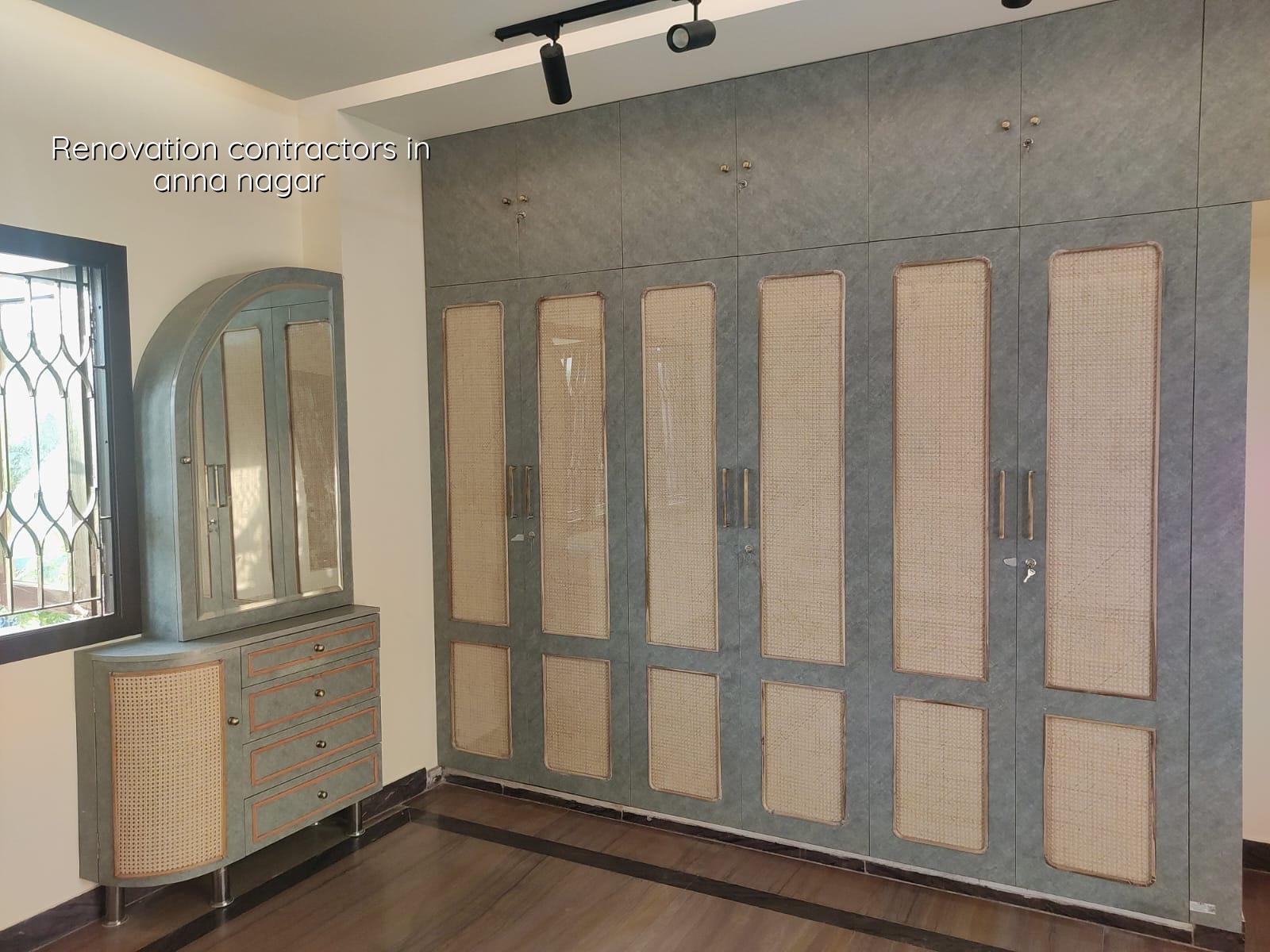
What makes Anna Nagar renovation different
Anna Nagar is not like a cramped old-city street where access is the main battle, and it is not like a fresh layout where everything is open and new. The plots are usually regular, the roads are wider, and the buildings often have a clear RCC frame that can be assessed properly. That sounds easier, but it also means owners expect a cleaner finish, less disruption, and a tighter handover. One badly planned wall demolition or one missed waterproofing junction shows up quickly in a place where people notice details.
In many homes here, the work is about upgrading rather than replacing. A family may want to change the kitchen, open up one room, add storage, replace old flooring, or correct seepage around toilets and parapet edges. In apartment blocks, the bigger issue is often not the visible finish; it’s checking what can be altered without affecting the frame, services, or shared walls. That is where a contractor with a civil engineering eye matters.
We also look at the practical side of site work. Anna Nagar has better road access than dense central areas, but you still have neighbour timing, parking, and material storage to manage. Renovation is not a clean-sheet project. You are working around occupied spaces, existing lines, and old work that may not match current standards.
What we inspect before we quote
Before any renovation number is discussed, we inspect the building condition first. That includes visible cracks, damp patches, slab leaks, tile hollow sounds, plumbing routes, and the condition of old electrical conduits. If the home is on an upper floor, we also check whether the proposed material movement will damage common areas or need special timing. If it is a villa or independent house, we look harder at roof slope, rainwater run-off, and whether past repairs have simply covered a deeper issue.
Condition assessment is where the real work starts
Most people ask for a quotation after showing a list of finishes. That’s too early. A proper renovation quote should come after the existing condition is understood, because two homes of the same size can need very different work. One may only need tile replacement and repainting. Another may need concealed plumbing replacement, toilet waterproofing, door frame changes, patch RCC repair, and a full electrical reset in selected rooms.
We check for the sort of hidden problems that cause repeat complaints later: dampness at the skirting line, hairline cracks at beam-column junctions, swelling doors, poor slope in wet areas, and old pipes that were patched once too often. If you skip this stage, the job looks cheaper on paper and more expensive on site.
- Walkthrough and measurement — we measure the spaces, note defects, and map the client’s priorities. This usually takes one visit, longer if the home is occupied.
- Condition review — our engineer checks visible distress, seepage points, and service routes before any demolition decision.
- Scope fixing — we separate must-do repairs from optional upgrades so you do not pay for decorative work before the building is sound.
- BOQ and stage plan — we prepare the bill of quantities and work sequence, then align payments to milestones in the contract.
- Execution and checks — demolition, repairs, waterproofing, finishes, and final snags are tracked with site supervision every working day.
How to choose a contractor without guessing
For renovation, the safest choice is not the one with the nicest brochure. It’s the one that can show you what they will inspect, what they will not touch, and what they will put in writing before work starts. Ask for the BOQ. Ask who signs off the technical decisions. Ask how changes are priced when you find something hidden behind the old finish. Those answers tell you more than a sales pitch.
We also tell clients to compare the contract structure, not just the rate. A low quotation can hide exclusions: no debris removal, no waterproofing primer, no concealed pipe replacement, no crack repair, no shifting of fixtures, no protection for existing furniture. Renovation is full of such gaps. If they are not written down, they usually become arguments later.
- Ask for a site inspection before any final quote is given.
- Check whether the BOQ separates repair work from finish work.
- Confirm who handles waterproofing, plumbing changes, and electrical changes.
- Read the payment stages and see if they match measurable milestones.
- Look for a written change-order method for hidden defects.
- Ask how the team protects occupied rooms, lifts, staircases, and neighbours.
| Renovation item | What usually drives the cost | What you should verify |
|---|---|---|
| Interior repainting | Surface preparation, number of coats, putty condition, moving furniture | See whether surface correction is included or priced separately |
| Bathroom upgrade | Waterproofing, pipe replacement, tile removal, fixture quality | Check the waterproofing method before any tile is fixed back |
| Kitchen renovation | Cabinet layout, plumbing point changes, electrical points, finishes | Confirm service rerouting and shutter material in writing |
| Structural repair | Extent of distress, access, patch size, curing time, testing | Ask what is repairable and what needs further engineering review |
Cost drivers, approvals and the honest trade-off
Renovation rates in Chennai move with the actual scope, not with the address alone. For normal renovation and interior fit-out work, the indicative range is usually around ₹1,200 to ₹2,500 per sq ft, while painting alone sits much lower. That figure changes with finish level, number of rooms opened up, plumbing and electrical changes, access, and how much hidden damage is found after demolition. We never quote a total project price on a public page because a BOQ is what settles the real figure.
The real trade-off is this: a light cosmetic renovation is cheaper and faster, but it does not solve old seepage, weak services, or poor layout. A deeper renovation costs more and takes longer, yet it saves you from repeating the same work in two years. In our experience, the middle path is usually best: spend on the building defects first, then spend on the surfaces you live with every day.
There is also an approval question. If the work changes structural elements, adds load, alters major services, or touches apartment common areas, it is no longer just a paint-and-flooring job. In Chennai, the local licensing body depends on where the property sits, and the plot’s documents matter. We check the drawing, the ownership papers, and the nature of the work before the contract is signed. That is safer than assuming a “simple renovation” stays simple.
What can go wrong if you rush it
People usually regret three things. First, they approve demolition before checking the hidden lines, so a pipe or wire gets damaged and the work stalls. Second, they choose a finish first and the contractor later tells them the base surface is not ready, so the budget swells. Third, they don’t put the sequence in writing, which means waterproofing gets rushed, tiles get fixed too soon, and the repair fails before the next monsoon.
Anna Nagar homes often have enough age to hide more than they show. A swollen skirting board or a musty smell near one toilet can point to a larger plumbing issue. A stain on the terrace ceiling may be from the terrace above, not the room itself. We prefer to say that early, even if it delays the job by a few days. A delay is cheaper than opening the same wall twice.
How we work on renovation jobs
We handle renovation with in-house civil engineers, a structural engineer, and an architect. A site engineer is on site every working day, and we share weekly photo updates on WhatsApp for clients who cannot visit. We start with a detailed BOQ, then fix the scope and payment stages in the contract so there is less room for confusion later. If your home in Anna Nagar needs repair, remodelling, or a phased upgrade, call us for a site visit and a BOQ-based discussion at +91 97107 13838 or write to info@shalomconstruction.com.
Frequently Asked Questions
If you’re planning work in Anna Nagar, start with the building’s condition, not the finish catalogue. That one decision saves more money than most people expect, and it makes the rest of the job easier to manage.
Renovation Contractors in Anna Nagar
Tell us what you want changed, and we’ll arrange a site visit, condition check, and BOQ-based quote before you commit to the work.
Request a Quote Call +91 97107 13838