


Plastering Contractors in Pallavaram
If you’re fixing a rough masonry wall, patching an old ceiling, or getting ready for paint, plastering contractors in Pallavaram should be judged by straightness, bond, and curing, not by how glossy the final photos look. A bad plaster job shows up later as cracks, hollowness, peeling putty, and paint lines you can see from across the room.
We’ve written this page for the person who wants the wall right the first time. You’ll find what Pallavaram’s plot conditions change, what a proper plaster specification looks like, how long the work usually takes, and what to ask before you sign a BOQ.
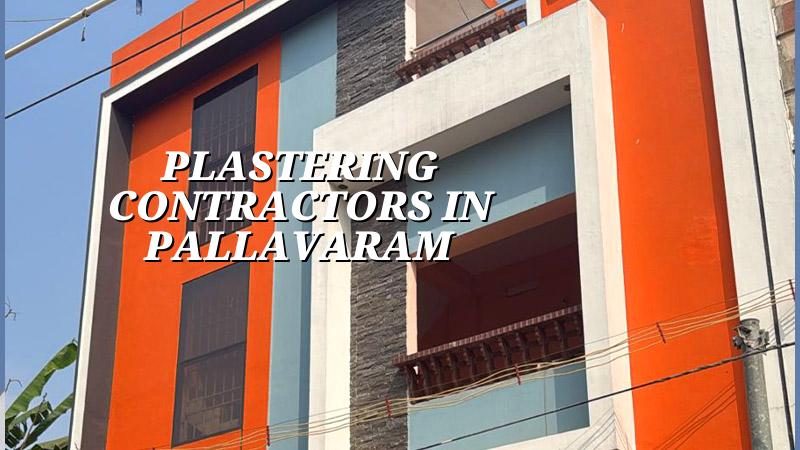
What Pallavaram changes on site
Pallavaram is not a uniform part of Chennai. Some pockets sit on firmer rocky ground, while other sites are older houses, mixed-use plots, or buildings close to the airport side where access and timing need more planning. That matters for plaster because wall line, slab level, and plumbing chase positions are often already set before we touch the surface. If the brickwork is uneven, the plaster thickness changes, and thick patches crack first.
On a narrow street, the mixer, sand stack, and water source need to be planned before work starts. On a larger plot, the issue is usually quality control: the same crew may be tempted to rush one elevation while focusing on another. In both cases, the plaster only looks easy until you start checking plumb and level with a straight edge.
Near airport-facing stretches, some jobs also have tighter access windows, so we plan material movement and curing water availability early. That is the sort of thing that decides whether a wall gets finished cleanly or whether you spend extra on patching before paint.
How plaster should actually be done
Good plaster is a controlled layer, not a cosmetic smear. For most internal walls we look at surface prep first: dust removal, hacking loose joints where needed, wetting the background, then applying the mix in the right thickness and finishing it while it is still workable. Cement-rich mixes that are too stiff often shrink and crack. Overwatering gives a weak face that powders under paint.
We work to Indian standards in the background of the job, especially where the wall system has to stay stable under seasonal movement and moisture. The details change with the wall type, but the discipline does not: sound substrate, correct mix, proper bonding, and curing. If the masonry below is not ready, no finish coat can hide that for long.
Where failures usually start
The first failure is almost always prep. Brick joints left dusty or smooth concrete left untreated can make the plaster de-bond in sheets. The second is thickness. When one patch is 8 mm and another is 20 mm, the thicker area shrinks more and often cracks first. The third is curing. In Chennai heat, a surface that is not kept damp for the first few days can craze before the paint team even comes in.
External plaster gets a harder life. Rain splash, sun, and movement around window edges make corners and joints the usual weak points. We never treat those spots like the middle of a wall. They need mesh where movement is expected, proper groove details, and a finish that can take weather without hairline cracking everywhere.
- Check the substrate — 1 to 2 days, including line, level, hollow spots, and damp patches before any mortar goes on.
- Prepare and key the surface — 1 day, with cleaning, hacking where needed, and wetting the wall so it does not suck water from the mix too fast.
- Apply base plaster — 1 to 3 days depending on area, wall type, and thickness variation across the room or elevation.
- Finish, cure, and inspect — 3 to 7 days, with curing, touch-ups at corners, and a final check for hollowness and straightness.
What to ask before you hire
If you’re comparing plastering contractors, don’t ask only for a rate. Ask how they measure the wall, what they do when the masonry is off-line, whether they include curing, and what happens if cracks appear after paint. A man who gives you a figure in one minute without asking about the wall usually has not looked at the real job.
A proper contractor should be able to explain the mix, the thickness, and the order of work. If the answer is vague, the job usually becomes vague too. That is when you see patches, waves on the wall, and a final finish that needs more putty than it should.
- Ask for the wall measurement method, not just a lump sum.
- Confirm whether surface preparation and curing are included.
- Check how they handle old paint, loose plaster, or damp patches.
- Ask what finish they will leave behind for painter-ready surfaces.
- See whether the quote names internal walls, external walls, and ceiling work separately.
- Find out who is on site to check line, level, and thickness each day.
Cost, finish level, and what changes the rate
For Chennai, plastering rates depend on the wall condition, access, height, mix specification, and whether the work is internal or external. If you also need repairs to weak masonry or ceiling patching after seepage, the price changes again. We do not quote a total project price without a BOQ, because plastering is one of those jobs where hidden prep can be more than the visible finish.
As a guide, painting-related finishing work is priced separately, and plastering is usually part of the broader civil package. The real decision is not “cheap or expensive”. It is whether you want a thin patch that looks fine for two months, or a surface that stays stable under heat, rain, and everyday use. Saving a little on plaster and spending twice on putty is a common mistake.
| What affects the quote | What happens on site | Why it changes cost |
|---|---|---|
| Wall condition | New masonry, old plaster removal, or crack repair | More prep means more labour and waste |
| Area type | Internal room, ceiling, or exterior face | Height and weather exposure change effort |
| Access | Wide plot, narrow lane, or restricted staging | Material movement slows the crew |
| Finish expectation | Rough base, fair finish, or paint-ready surface | Tighter finish needs more checking and skill |
Approvals and repair work around the plaster stage
Plastering itself does not usually trigger a separate approval, but the building around it often does. In Pallavaram, the authority route depends on the exact plot location, and sites near the airport side can have an extra height clearance issue. If your plastering work is part of renovation, we first check whether the structure has seepage, slab cracks, or settlement marks. Those are not plaster problems until you know the cause.
When a wall keeps cracking after repeated patching, the answer may be movement in the structure, a leaking pipe chase, or a slab edge that needs attention. If you plaster over that without diagnosis, the crack comes back. The right sequence is inspect first, repair the cause, then plaster. Anything else is temporary makeup.
Documents and checks that save trouble
For a new build or major repair, we normally look for the approved drawing set, structural stability information where needed, and clear details on wall finishes and wet areas. The site should also have a plan for water supply during curing. That sounds basic, but a dry site often means skipped curing, and skipped curing means surface failure later.
Good plaster work is visible in the small things: a corner that stays straight, a window reveal that does not flare out, a ceiling that doesn’t show ripples under side light, and a wall that doesn’t sound hollow when tapped. Those are the checks that matter before the painter arrives.
How we work on plastering jobs
We handle plastering through our in-house civil team, with a site engineer present every working day and the work checked against the BOQ before it starts. If your job is part of a new house, renovation, or structural repair, we keep the technical work under one roof instead of handing the important bits to a chain of subcontractors. For clients who cannot visit often, we send weekly photo updates by WhatsApp. If you want to talk through a wall problem or ask for a site visit, call +91 97107 13838 or email info@shalomconstruction.com.
Frequently Asked Questions
Walls look simple when they are done well. They are not simple while being done. If you want the plaster to stay straight under Chennai weather and daily use, the method matters more than the promise.
Plastering contractors in Pallavaram
Send us the site details, and we’ll check the wall condition, repair scope, and BOQ before we price the plaster work.
Request a Quote Call +91 97107 13838