


Plastering Contractors in Guindy
When you call for plastering contractors in Guindy, you usually want one thing: walls that look straight, take paint properly, and do not start cracking in the first monsoon after handover. That means the surface prep, mix, thickness, curing and the way the joints are treated matter more than the quote on the phone.
Guindy is not a place where you can treat plaster as a cosmetic line item and hope for the best. Between commercial buildings, workshops, apartments and older houses near busy roads, we see everything from patch repairs after seepage to full internal replastering after electrical chasing. We’ll explain what good plaster should include, what changes the price, and when plastering is the wrong fix.
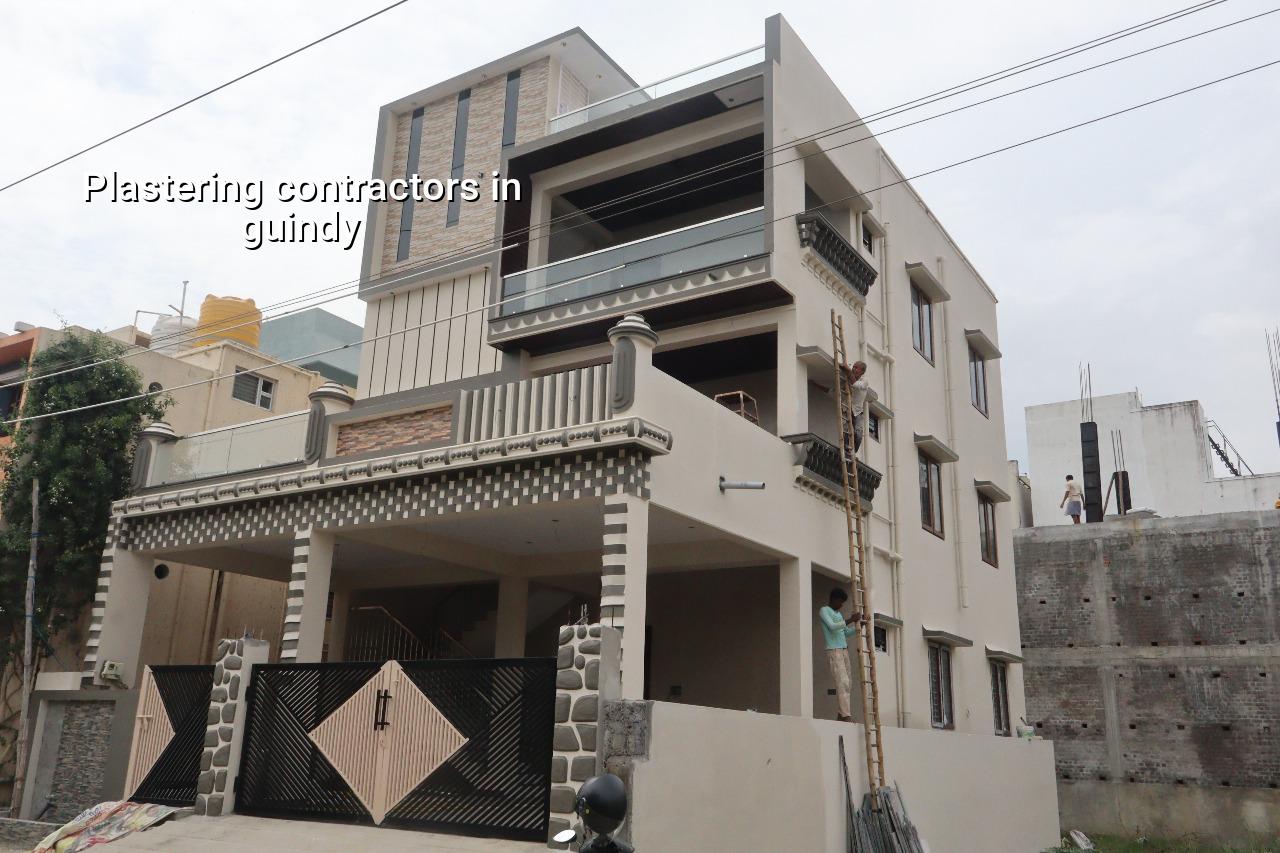
What Guindy Sites Ask of Plaster
Guindy has a mix of traffic, dust, old and new construction, and a lot of buildings that keep running while work is going on. That changes how we plan plastering. On a tight commercial frontage, you need neat staging, fast debris removal and work that does not flood the floor below. In older houses, the real problem is often not the plaster itself but damp from terrace seepage, plumbing leaks or a bad junction between old and new masonry.
This is why we inspect the wall before we quote. A fresh wall on a new RCC frame needs a different treatment from a wall that has been hacked, repaired and painted twice already. If the base is dusty, oily or weak, the plaster will look fine for a few weeks and then start sounding hollow. Once that happens, the finish coat is already fighting a losing battle.
How We Decide the Right Plaster System
For RCC and blockwork, the basic decision is simple: what is the substrate, what finish do you need, and what is the exposure of the surface? Internal walls usually need a cleaner, finer finish because that’s what you see under paint and putty. External walls need a mix and thickness that can tolerate heat, rain and movement. In Chennai, that is not theory. A wall facing afternoon sun and then monsoon rain behaves differently from one that stays shaded.
Where cracks start
Most cracking complaints come from one of four places: poor bond to the surface, excessive thickness in one pass, rapid drying, or movement at joints that was never treated properly. Electrical chase repairs are another common fault line. If the chase is filled loosely and plastered over the same day, the wall telegraphs that line later. We also watch for moisture. Plaster over damp masonry is one of the easiest ways to trap a problem inside a wall.
- Surface check — We inspect the wall, hammer for hollowness, look for damp and measure how much hacking or repair is needed. This usually takes half a day for a typical room or floor.
- Preparation — Loose material is removed, joints are cleaned, and the wall is wetted correctly. If the surface is too dry, it pulls water from the mix too fast.
- Mix and application — The mortar mix is applied in the right pass thickness, then levelled and ruled. If the wall needs two coats, we do not force one thick coat to save time.
- Curing and checks — Curing starts after the surface sets, not as an afterthought. We check for line, plane, hollowness and edge cracking before handover.
Finish, Repair or Replaster?
Not every wall needs full plastering. Sometimes patch repair is enough. Sometimes the only sensible move is to remove the bad section and start again. The trade-off is money versus risk. A patch repair is cheaper and faster, but it only works if the surrounding plaster is still bonded and the damp source has been fixed. Full replastering takes more time and creates more dust, but it gives you a uniform base for paint and avoids chasing weak spots one by one.
We tell people this plainly: if the wall is already hollow in several places, or if you can see recurring damp marks, a small repair is often false economy. You save on day one and spend again after the first season. On the other hand, if the issue is a single chase line or a damaged corner, it makes no sense to strip an entire room. The right choice depends on what the wall is actually doing, not on what looks cheapest in the quote.
- Check whether the wall sounds hollow when tapped.
- Look for damp stains, salt marks or peeling paint before any new plaster is applied.
- Ask whether the quoted work includes hacking, surface cleaning, curing and corner treatment.
- Confirm if mesh or joint treatment is included where old and new work meet.
- Ask what finish is planned for paint-grade walls versus areas that will stay as-is.
Rates, stages and what moves the price
For plastering work, the rate depends on the surface condition, thickness, access, and whether it is internal or external work. For painting-linked finish work, the site usually starts with wall preparation and then moves to plastering, curing and final surface checks. We do not give a total project price on a page like this, because the BOQ decides the real figure after we measure the actual wall area and note the repair scope.
As a rough reference, painting and surface finish jobs in Chennai can sit in the painting band of ₹25 – ₹45 per sq ft for labour plus standard emulsion, but plastering itself is priced separately based on the condition of the wall and the scope of repair. Soil, foundation type, number of floors and site access do not change plastering directly, but they do change the building movement and moisture behaviour that you end up repairing. That is why we look at the building, not just the room.
| Work item | What it includes | What changes the quote |
|---|---|---|
| Internal wall plaster | Surface prep, mortar application, levelling, curing | Wall condition, chasing, number of coats, access |
| External wall plaster | Prep, weather-aware application, edge treatment, curing | Exposure, scaffold needs, thickness, rain protection |
| Patch repair | Local hacking, bond prep, repair mortar, finish matching | Size of damaged area, damp source, matching old texture |
| Replastering | Removal of weak plaster, fresh base, new finish coat | Extent of failure, debris removal, curing time, room access |
How we handle work in and around Guindy
Our team works with in-house civil engineers, a structural engineer and an architect, so the wall treatment is checked against the building condition, not guessed by a labour gang. A site engineer is on site every working day. For clients who cannot visit, we send weekly photo updates on WhatsApp. If plastering is part of a larger repair or renovation, we tie it into the contract and the BOQ so you know what is included before work starts. If the wall needs structural attention first, we say so before anyone mixes mortar.
If you need plastering work checked in Guindy, or you want to know whether patch repair is enough, call us at +91 97107 13838 or write to info@shalomconstruction.com. You can also visit us at No. 45, 2nd Main Road, Abirami Nagar, Koladi (Landmark: Ratna Chamber), Thiruverkadu, Chennai – 600077, and we can take it from there.
Frequently Asked Questions
Good plaster is quiet work. You notice it only when it is missing, and most of the trouble starts long before the wall looks bad. If you want the wall checked properly, we can do that without dressing it up.
Plastering Contractors in Guindy
Send us a site photo, or call us for a visit and a BOQ-based quote. We’ll tell you whether the wall needs patching, replastering or a more serious repair.
Request a Quote Call +91 97107 13838