


Old House Renovation in Kodambakkam
Old House Renovation in Kodambakkam starts with one question: is the house tired, or is it unsafe? In many Kodambakkam streets the real problem is not the finish layer. It is age, patchwork repairs, tight setbacks and services that were never planned for modern use.
We renovate old houses here with that reality in mind. Some homes need only repair and rework. Others need structural checks, new plumbing lines, better rainwater handling and a staged plan so the family can stay put for part of the job.
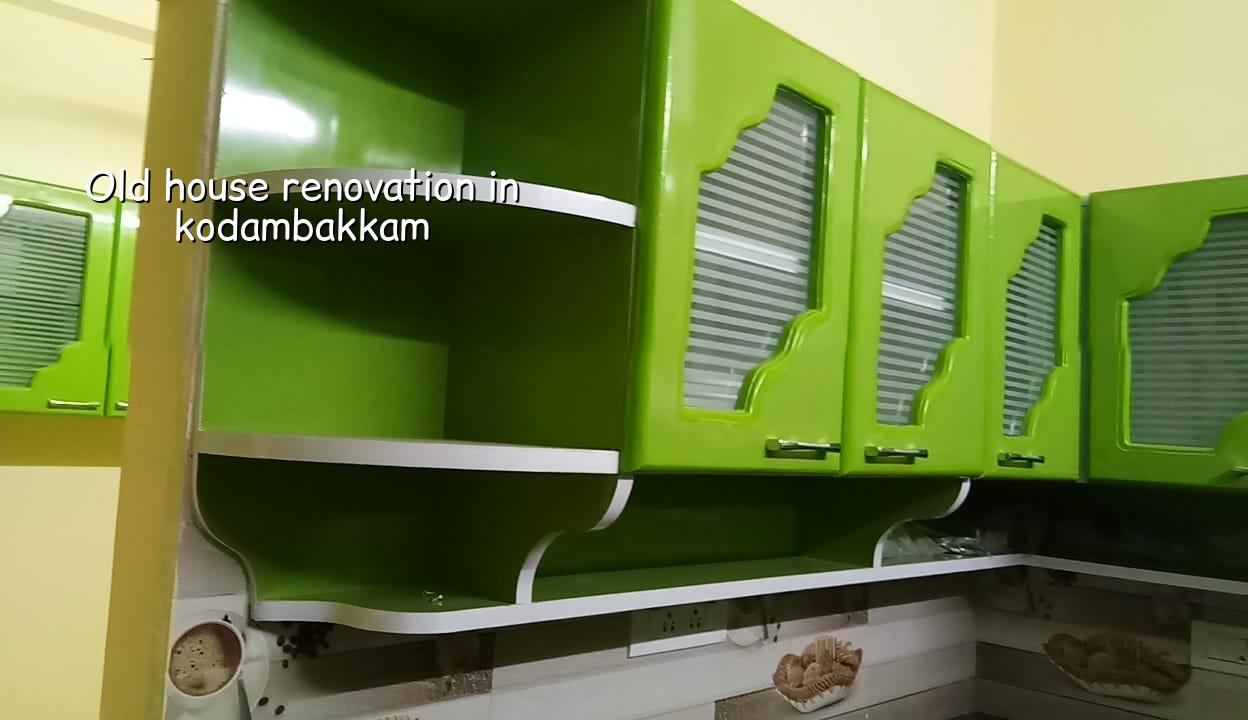
What Kodambakkam changes on site
Kodambakkam is dense, with older residential streets, narrow access in many pockets and very little spare space for stacking sand, bricks or debris. That changes the work from day one. A wall crack here is not just a crack. It can point to old foundation movement, poor plaster bonding, water seepage from terrace lines, or changes made over the years without a proper load path. On a tight street, even a small decision like where to park a concrete mixer or unload debris affects the schedule.
Older houses here also tend to have mixed build periods. You may see a front portion that was built first, a rear room added later, a staircase squeezed in after that, and services chased into walls at different times. That is why renovation in this area starts with reading the house as it stands now, not as the original drawing may have shown it. In some homes the better choice is to strengthen and repair. In others, selective demolition saves money because repeated patching has already weakened the building.
The second issue is neighbours and access. In a place like Kodambakkam, work has to be sequenced so shutters, scaffold, debris removal and curing do not create a fight on the lane. If the approach road is narrow, we plan smaller material movements, more manual handling and shorter delivery windows. That adds time, but it avoids damage and delays.
What we inspect before we touch anything
An old house should be checked like a structure, not treated like a painting job. We start with visible distress, then move to the parts that usually hide trouble. A hairline crack in plaster can be harmless. A diagonal crack running from a door corner, damp at the wall base, or rust marks along the slab edge needs proper inspection. In Chennai, repeated wetting and drying from monsoon and summer heat also opens up old joints faster than people expect.
The areas that usually need attention first
We look at the roof slab, terrace waterproofing, external walls, staircase, beam corners, toilet lines, kitchen plumbing routes and the plinth area nearest the ground. In many old houses, the first visible problem is not structural failure; it is seepage. But seepage left alone becomes steel corrosion, and steel corrosion becomes spalling. Once concrete starts breaking off, repair cost goes up quickly. That is why we never recommend cosmetic work before checking the source.
- Check for diagonal or stair-step cracks around openings and wall corners.
- Inspect terrace slabs, parapet joints and rainwater pipe outlets for damp marks.
- Look for rust stains, honeycombing and loose concrete on beams and slab edges.
- Test toilet and kitchen plumbing lines before new flooring or wall finish work.
- Verify whether any wall removed earlier may have affected the load path.
- Confirm if the house needs only repair, or a structural engineer's review first.
Repair or rebuild?
This is the trade-off most owners want a straight answer on. Repair is cheaper in the short term and keeps the family tied to the same house faster. Rebuild gives you a cleaner structure, better room sizes and new services, but it takes more time, more approvals and more money. The wrong choice is to repair deeply damaged work just because the front elevation still looks acceptable from the road.
If the main structure is sound, renovation makes sense. We can rework rooms, replace the roof finish, add waterproofing, renew wiring, change toilets and improve the plan without disturbing the whole house. If the structure has widespread cracks, corrosion or poor earlier alterations, then heavy renovation becomes false economy. You keep paying for patchwork and still live with the same problems.
The honest limitation is this: we cannot promise that every old house can be saved exactly as it is. Some houses need partial demolition to make the rest safe. That is not failure. It is the correct answer when age and poor alterations have already done their damage.
- Condition survey — one to two days on site to map cracks, seepage, line changes and unsafe areas.
- Repair proposal and BOQ — usually within a few working days after inspection, with scope split room by room or item by item.
- Selective demolition and protection — one week to ten days for many houses, depending on access and what has to be removed.
- Structural and service work — two to six weeks, including concrete repair, waterproofing, new plumbing, wiring and plaster prep.
- Finishes and handover — two to four weeks for flooring, painting, doors, fittings and final snag corrections.
What the work usually includes
Every renovation is different, but the sequence is similar. First we stop water entry. Then we stabilise the weak points. Only after that do we touch finish work. If you do it backwards, the fresh paint bubbles, the new flooring lifts and the repaired wall stains again after the first heavy rain. Chennai owners know that story too well.
For older houses in this part of the city, a proper renovation often includes terrace waterproofing, crack repair with the right material, replacing damaged plaster, rewiring where cables are unsafe, updating plumbing, changing bathroom slopes, and improving drainage at the plot edge. If the home is close to the road, access control and debris removal need planning as carefully as the repairs themselves. On narrow streets, one poorly placed load can slow the whole lane.
| Work head | What it means | What usually drives the cost |
|---|---|---|
| Minor repair | Crack filling, plaster patching, paint touch-up, limited plumbing correction | Extent of damage and how many rooms are affected |
| Medium renovation | New flooring, waterproofing, electrical rework, toilet and kitchen updates | Finish level, service rerouting and access on site |
| Structural renovation | Concrete repair, member strengthening, load-path corrections, selective demolition | Soil condition, roof condition, extent of structural distress |
| Full house renovation | Combination of structure, services and finishes across the whole house | Number of floors, scope of demolition, material grade and layout changes |
Approvals, rates and the practical side
For renovation in Chennai, the paperwork depends on what changes you are making and where the plot sits. CMDA rules, local body permissions and structural documentation can come into play if the work affects the building footprint, height or safety. If the house is only getting interior rework or limited repairs, the process is lighter. If structural members, additions or major alterations are involved, the drawings and certificates matter much more.
Rates for renovation move with how much is being replaced, not with the paint brand alone. For a rough planning figure, interior works sit around ₹1,200 to ₹2,500 per sq ft, while painting is typically ₹25 to ₹45 per sq ft. Where the job touches structure, plumbing and waterproofing, the final figure depends on the BOQ. Soil condition, number of floors, span, finish level and site access all move the number. A detailed BOQ settles it before any contract is signed.
One common mistake is to spend on tiles and cabinets before fixing damp or movement. The house may look ready for photos, but the failure shows up later. Another mistake is to keep old electrical lines because they still "work". In older homes, that is often the line owners regret most after occupancy.
How we work here
We handle renovation with our in-house civil engineers, structural engineer and architect. A site engineer is on site every working day, and the client gets weekly photo updates on WhatsApp if they cannot visit. We prepare a detailed BOQ before the contract is signed, then tie payments to milestones so the work moves in a controlled way. If your house in Kodambakkam needs an honest inspection first, call us on +91 97107 13838 or write to info@shalomconstruction.com.
Frequently Asked Questions
If your house has reached the stage where patchwork no longer feels sensible, let us inspect it properly and tell you what is repairable and what is not. We would rather give you a hard answer than sell you a soft one.
Old House Renovation in Kodambakkam
Send us the site details or call us for an inspection, BOQ-based quote and a plain technical opinion on the house.
Request a Quote Call +91 97107 13838