


Marble Flooring Contractors in Koyambedu
If you are comparing marble flooring contractors in Koyambedu, the real question is not who gives the lowest square-foot rate. It is who can prepare the base correctly, keep the lines straight in a busy market area, and finish the floor so it still looks sound after the first few monsoons.
Koyambedu is hard on scheduling. Trucks, labour movement, material stacking and neighbour access all get tighter than people expect, especially if the work is going into a shop, an apartment, or a house on a narrow internal road. We have written this page for the person who needs the floor done properly and wants to know what separates neat marble work from a patchy job.
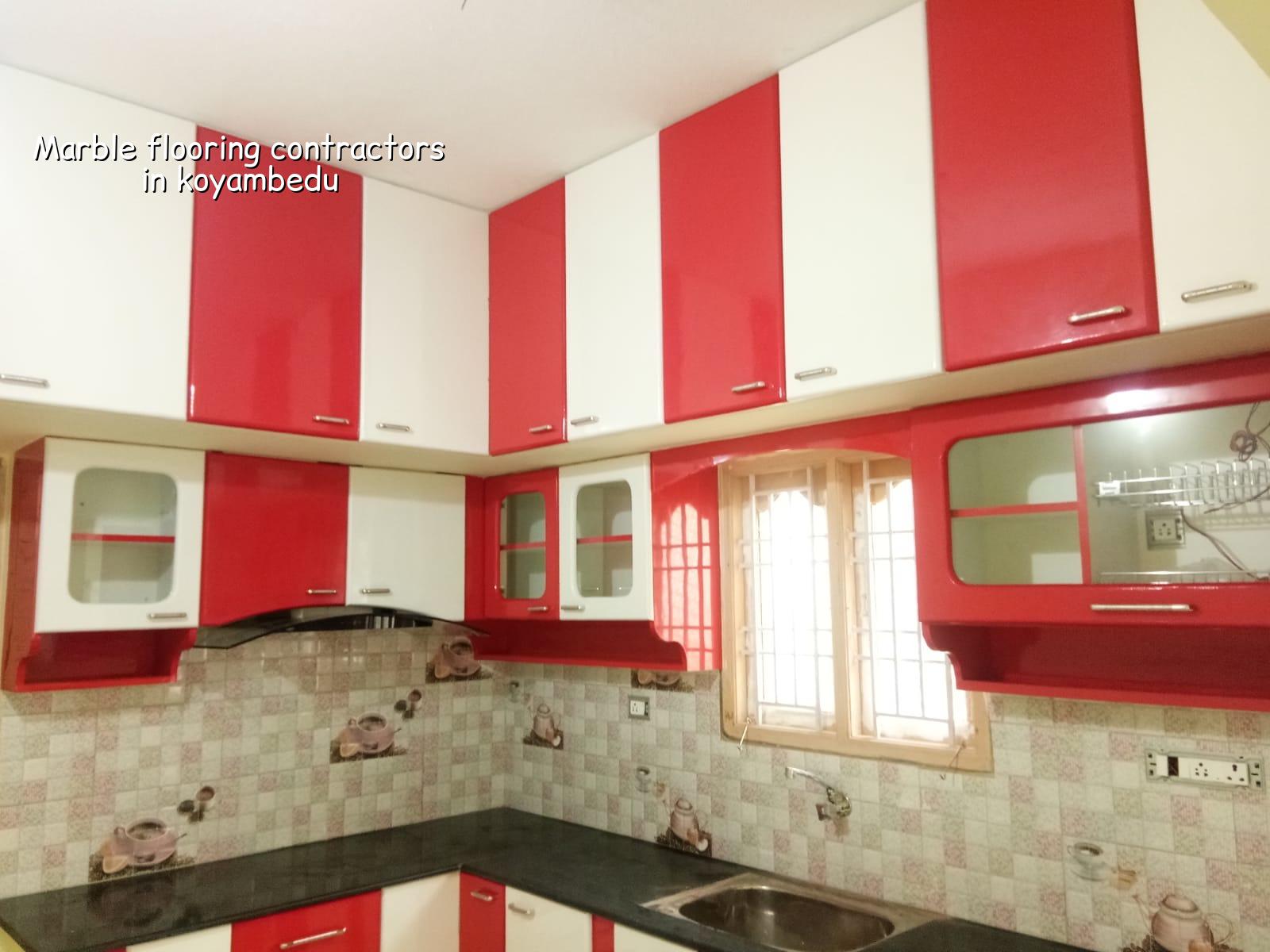
What Koyambedu changes on site
Koyambedu is a commercial-heavy area with heavy vehicle movement, market traffic and very little patience for sloppy site planning. That affects marble work more than people think. If the material arrives late, the slabs sit around getting chipped. If the floor is cast without checking level, the polishing team later hides the problem instead of fixing it. And if you are working in an occupied building, dust control and waste removal have to be planned before the first slab is unloaded.
The other reality is authority and access. Depending on the exact plot, approvals and licence matters may sit with the Greater Chennai Corporation or the relevant local body, while CMDA rules still govern planning inside the metropolitan area. That is not a marble issue on paper, but it changes your timetable. On a site where access is tight, even the polishing machine, water supply and debris movement need a plan. A beautiful stone finish is usually the result of boring logistics done well.
For homes near the inner roads and mixed-use pockets, we also watch how the building is used. A living room floor in a family house and a shop floor with foot traffic are not the same job. The first needs a clean visual line and a quiet joint pattern. The second needs a harder-wearing specification at thresholds, entrances and turn points where grit collects.
How marble floor work should actually be done
Marble flooring is not just laying slabs on mortar. The finished look depends on the base, the bedding, the joint width, the polishing sequence and the curing time. A floor that looks level on day one can start sounding hollow if the screed was weak or if the slabs were fixed without proper bedding. In Chennai, where heat and damp both show up in the same month, the adhesive and joint treatment matter more than people admit.
The parts we check before a slab goes down
We start with the substrate. The slab or screed below must be clean, stable and at the right level. If the surface is weak, we repair that first; marble cannot hide a bad base. Then we check the layout lines, centre points, skirting level, doorway transitions and the direction of visible veining. Marble looks best when the joint pattern respects the room, not when the mason simply starts at one corner and hopes for the best.
We also check where water can reach the floor. In bathrooms, wash areas, utility zones and some shopfronts, marble is not a casual choice. If you want it there, the slope, edge detail and maintenance discipline have to be real. Water stains on stone are usually a design mistake first and a cleaning issue second.
- Site measurement and layout marking — 1 to 2 days, including room levels, centre lines and threshold checks.
- Base preparation — 2 to 4 days, depending on whether the screed needs repair, re-leveling or patching.
- Dry layout and slab selection — 1 to 2 days, to match colour variation, grain direction and joint plan.
- Fixing and curing — 3 to 7 days, with careful bedding and no rushed load transfer.
- Grinding, polishing and edge finishing — 2 to 4 days, followed by a final clean and handover.
Choosing the right marble and finish
There is no single “best” marble for every room. Some stones are calmer in pattern and suit living areas. Some are more dramatic and suit statement spaces, but they show scratches and stains faster. The finish also matters. A high polish gives a sharper look and reflects more light, while a softer finish can hide minor wear better in some homes. In a place like Koyambedu, where many clients are balancing home use with practical cleaning, that choice should be made with real habits in mind, not just from a sample piece in the office.
- Ask for the slab thickness and reject mixed thickness in the same room.
- Check whether the quote includes cutting, laying, grinding and final polishing.
- Look at joint treatment at doorways, corners and long corridors.
- Confirm how stains, edge chips and waste pieces will be handled.
- Ask what curing time is allowed before furniture or traffic starts.
- See the base condition before the marble is fixed, not after.
Price, wastage and what drives the rate
For marble flooring, the rate is rarely just the stone. The final figure moves with base condition, room size, slab selection, cutting loss, edge detailing, polishing quality and site access. If the base needs correction or the site is difficult to stage, the cost rises. If you want premium marble with careful pattern matching and better finishing, it rises again. A detailed BOQ settles the real figure before any contract is signed.
We do not publish a fake flat project price because that would be useless on an actual site. What matters is the rate head by head. Stone, labour, bedding, polishing, consumables and transport each behave differently. On some jobs, saving money on the slab itself makes sense. On others, it is the wrong place to cut because a poor-quality stone or careless cutting creates waste that costs more than the saving.
| Work type | Indicative rate | What changes it |
|---|---|---|
| Standard residential flooring | ₹1,900 – ₹2,300 per sq ft | Base condition, slab selection, cut pattern, access |
| Mid-premium finish | ₹2,300 – ₹2,800 per sq ft | Better polishing, tighter joints, more careful detailing |
| Premium finish | ₹2,800 – ₹3,500+ per sq ft | Higher-grade stone, pattern matching, special edges |
| Polishing and restoration only | Case dependent | Existing floor condition, cracks, hollow patches, stain removal |
How we work on marble jobs
We handle flooring work with in-house civil engineers, a structural engineer and an architect, so the layout and level decisions do not get passed around between too many people. A site engineer is on site every working day. For clients who cannot come often, we send weekly photo updates by WhatsApp. Before the contract, we prepare a detailed BOQ and write the payment stages into the agreement, so you know what is being supplied and when the next step starts. If you need a larger home package, our residential and interior works pages show how the flooring fits into the full job.
For work in shops, offices or mixed-use properties, our commercial page is the better fit. If the floor is part of a larger renovation, we review the existing condition first and then decide what can be retained, what must be removed and where the new finish should stop. For a direct discussion, call +91 97107 13838 or write to info@shalomconstruction.com.
Frequently Asked Questions
If you want marble work in Koyambedu that looks straight on day one and still behaves properly after use, send the site details and ask for a BOQ-based discussion. We will tell you where the cost is coming from, what the floor needs, and where it is better not to save.
Marble Flooring in Koyambedu
Share your room size, existing floor condition and site location. We can arrange a site visit and prepare a clear BOQ before you sign.
Request a Quote Call +91 97107 13838