


Demolition Contractors in Kodambakkam
If you need demolition contractors in Kodambakkam, the first thing to settle is not the machine size. It is how the old building will come down without shaking the next wall, blocking the lane, or leaving you with a pile of debris and no truck to take it away.
Kodambakkam is a place where many plots sit tight between occupied houses, small commercial buildings and older RCC structures. That changes the job. We look at access, neighbour protection, structural sequence and debris movement before we quote a method, because the wrong shortcut on a narrow street becomes a complaint on day two.
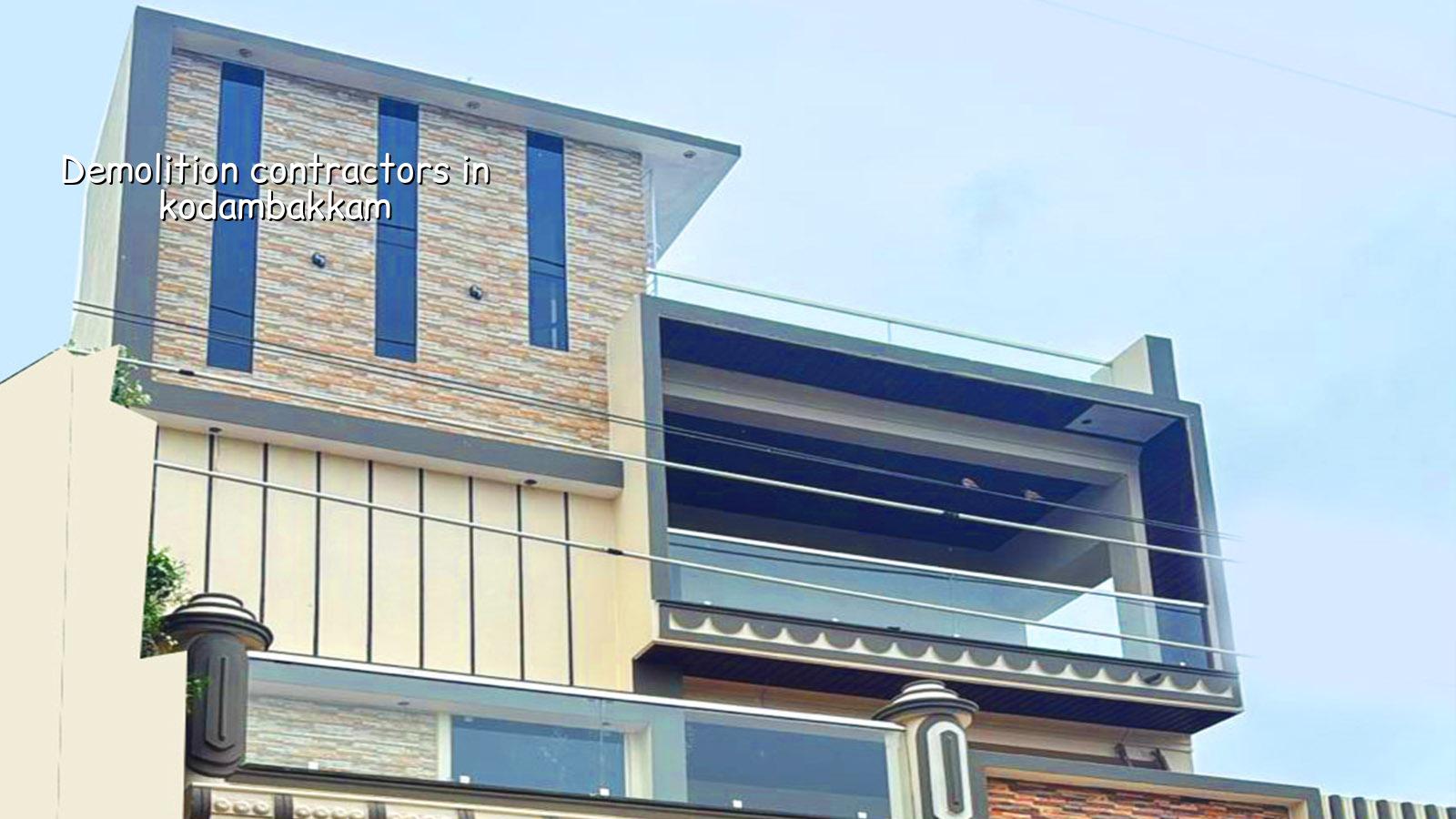
Kodambakkam site conditions that change the job
Kodambakkam is dense, with many older houses, mixed-use buildings and narrow approach roads. In practice that means the demolition plan has to answer three questions early: can the equipment enter, where will the concrete and brick debris be stacked temporarily, and how will we keep dust and vibration under control when people are living next door. On a wide vacant plot, you can be casual about staging. Here you cannot.
We also see a lot of plots where rebuilding follows demolition. That makes the first day on site more important than people expect. If the compound wall has to stay for support, or if the neighbour's wall is acting like a boundary line, we don't treat that as a small detail. We record it, protect it and demolish in the right order.
Another local factor is service disconnection. A safe demolition in this part of Chennai starts after electricity, water and any shared drainage line are isolated properly. If you cut corners there, the work stops anyway. Usually after a call from the neighbour or the utility staff.
How we demolish without making a mess of the site
We don't begin with breaking. We begin with a method. For an old house or a small RCC structure, that method depends on whether the building is load-bearing, framed, partly renovated or already distressed. The sequence matters because you remove non-structural items first, then slabs, then beams and columns in controlled order. Random breaking is what turns a demolition into a collapse.
What gets checked before the first cut
Before work starts, our engineer checks the structure, the adjoining walls, the access width, the service lines and the disposal route. In older Kodambakkam streets, material often has to move out in smaller loads because a full-sized truck cannot wait on the road. That changes labour planning and timing. It is slower, yes. It is also safer and less likely to create neighbour problems.
If the building is already showing cracks or partial settlement, we treat it differently from a healthy old structure. A weak wall can fail without much warning, so we decide whether to shore, isolate or dismantle in smaller zones. That is one of those decisions clients usually do not see, but it is the difference between a controlled site and a dangerous one.
- Inspection and marking — we check the structure, isolate risky zones and mark what stays and what goes. This usually takes one working day for a small house, longer if access is tight.
- Utility disconnection — electricity, water and any live service lines are cut or capped before demolition begins. Skipping this step is how people lose time and create avoidable damage.
- Top-down dismantling — doors, windows, wiring, roofing elements and loose masonry are removed first, then slabs, beams and columns in a planned sequence.
- Debris sorting and loading — bricks, concrete, steel and mixed waste are separated where possible, loaded in stages and sent out before the pile becomes unmanageable.
- Site clearing and handover — the floor is cleared of sharp waste, exposed edges are made safe and the plot is left ready for the next stage of work.
What good demolition planning includes
For demolition work, people often ask only for the rate. That is the wrong first question. The real questions are what is included, what protection is planned, how the debris will be removed, and who bears the cost if hidden conditions appear after opening up the structure. A cheap quote that ignores those items usually becomes expensive after the first load goes out.
- Method statement for the structure type, not a one-line promise to "break and clear".
- Utility disconnection before work begins, with the client informed of what has been isolated.
- Dust and debris control for occupied neighbouring properties.
- Debris carting and dumping route fixed in advance.
- Protection for boundary walls, trees and any portion of the building that must remain.
- Clear responsibility for permits, if the plot falls under a body that asks for them.
We also tell clients what demolition is not. It is not the place to improvise with labourers and one machine. It is not the place to assume that a building has "become weak anyway, so anything is fine". A failed wall can drop in the wrong direction. In a close street, that is serious.
Approval, safety and timing
In Chennai, the approval route depends on where the plot sits. Inside city limits the building licence route is through the Greater Chennai Corporation. Outside it, the municipality or town panchayat handles the local licence procedure. For demolition of a typical private house, the exact paperwork depends on the site, the wall line and whether the next-stage construction is already being planned. We do not guess that part. We check it for the specific plot.
If the site is near the airport side, AAI height clearance can become relevant for the new work that follows. For demolition itself, what matters more is safe access, controlled fall direction and proper disposal. The documents we usually ask to see are the patta, encumbrance certificate, FMB sketch and any drawing set tied to the redevelopment plan. If the next build is part of the same job, the structural stability notes and drainage thinking should already be in place.
| Work item | What it covers | Typical duration |
|---|---|---|
| Site inspection | Structure type, access width, neighbours, utility lines and debris route | 1 day |
| Pre-demolition preparation | Disconnect services, protect boundaries and set the dismantling sequence | 1 to 2 days |
| Controlled demolition | Top-down dismantling, breaking, loading and moving waste out | 3 to 10 days, depending on size and access |
| Final clearing | Remove loose debris, level the site and make it ready for the next work | 1 to 2 days |
The timeline moves with structure size, reinforcement content, access and how fast debris can leave the site. A small single-storey house on a reachable road is one thing. A reinforced structure with a shared wall and no staging space is another. That is why we prefer to give a method and a BOQ-backed scope instead of pretending every demolition takes the same number of days.
Cost drivers, not guesswork
Demolition pricing is not one flat number. It moves with the structure type, the amount of RCC versus masonry, the number of floors, the amount of labour needed for hand dismantling, the access available for machinery and the cost of carting waste away. If someone gives you a price without looking at those items, they are guessing. In a dense area like Kodambakkam, access alone can change the work plan.
If you are comparing quotes, check whether debris removal is included, whether the labour is for demolition only or for demolition plus clearing, and whether the quote assumes open road access. A number that looks lower at the start can be higher once you add loading, transport and disposal. That is where people feel cheated, and usually it is because the scope was never written clearly.
For larger or harder structures, the right question is not "what is your cheapest rate?" It is "what exactly do you include, and what changes the rate on this plot?" That is the question a fair contractor should welcome.
How we work on a demolition site
We handle demolition with our own civil team, and the site engineer is present every working day. Before we start, we review the structure, prepare the sequence and write the scope into the contract so there is no confusion about what gets broken, what stays and what gets carted away. If you cannot visit daily, we send photo updates by WhatsApp.
For clients who want the next build to follow immediately, we can align demolition with the architectural and structural stage through our architectural design and residential construction teams. If the existing building needs selective work instead of full removal, our renovation and projects pages will show the kind of work we take up. Call us on +91 97107 13838 or write to info@shalomconstruction.com if you want us to inspect the plot.
Frequently Asked Questions
When a demolition is done properly, the site feels quiet at the end. No broken edges hanging around, no loose debris underfoot, no mystery about what was removed and what was left. That is the level of finish we aim for.
Demolition Contractors in Kodambakkam
If you want a site inspection or a written BOQ for demolition, call us and we will look at access, safety and debris removal before we speak about the rate.
Request a Quote Call +91 97107 13838