


Building Inspection Services in Vandalur
If you're seeing cracks, seepage, sloping floors or a door that suddenly sticks, Building Inspection Services in Vandalur should start with a proper site visit, not guesswork. We inspect the building as it stands, note the signs that matter, and tell you what needs monitoring, repair or immediate action.
Most calls we get are from owners who are trying to decide between a small repair and a larger renovation. In Vandalur, that decision often depends on the age of the house, the ground level, the drainage around the plot, and whether the issue is in the finish layer or inside the structure itself.
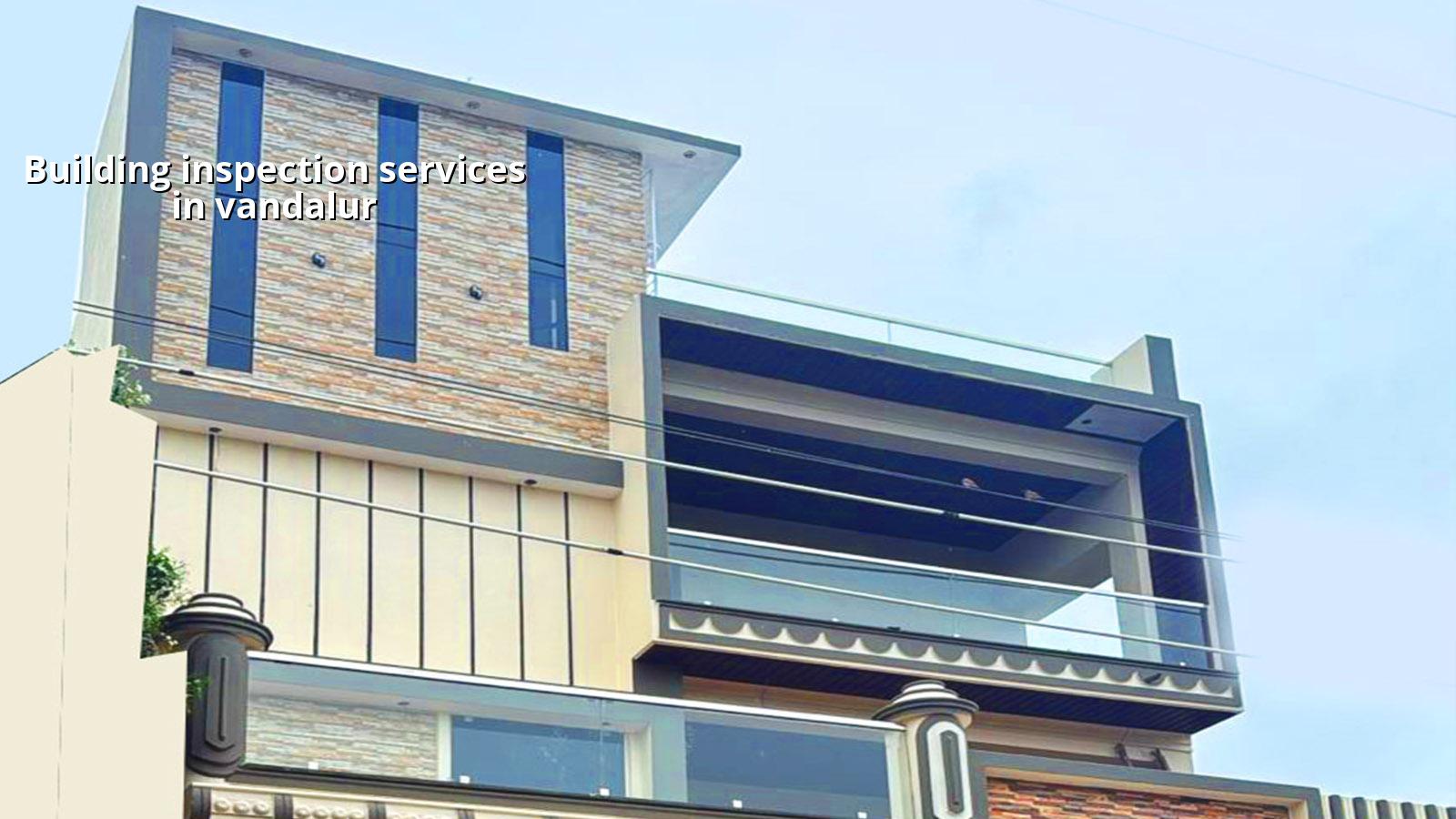
What Vandalur plots usually ask us to check
Vandalur sits on the southern growth side of Chennai, where layouts, independent houses and newer apartments sit beside older homes and partly developed streets. That changes the inspection. We look first at site drainage, plinth level, terrace seepage points, wall cracks and whether the building has settled unevenly. On plots with patchy external paving or poor rainwater outlet, water can sit near the foundation after a hard monsoon spell, and the damage shows up months later as damp walls and hairline cracks that keep returning after paint.
The other thing we see is mixed construction quality. Some houses were built in stages, one floor at a time, with no clean record of the original structural design. Others have recent modifications like extra rooms, a stair cover, or an overhead tank added without checking the load path. In a place like this, inspection is not just about spotting damage. It is about understanding what changed and what the building is trying to tell you.
What we inspect and why it matters
We start with the obvious symptoms, but we do not stop there. A crack on plaster may be harmless, or it may be the visible line of movement from a beam, slab edge or wall junction. Dampness may come from bathroom leakage, roof leakage, failed terrace waterproofing or outside water entry at ground level. A good inspection separates those causes before anyone spends money on the wrong repair.
Common findings we look for
Our team checks the pattern, location and width of cracks, signs of corrosion on exposed steel, sag in slabs, settlement at corners, terrace slope, plumbing leakage points, and any soft or hollow sound in rendered surfaces. We also inspect expansion and construction joints where water often enters first. If the issue points to structure, we say so plainly. If it is a service problem like plumbing or waterproofing, we say that too. You should not pay for RCC repairs when the real problem is a broken pipe behind the wall.
- Site walk and symptom mapping — We walk the building, photograph the defects and mark where each issue appears. This usually takes 1 visit, about 1 to 2 hours for a house.
- Check of levels, drainage and slope — We see how rainwater moves on the site, where it ponds, and whether the plinth and surrounding ground are helping or hurting the building.
- Structural review — We inspect beams, columns, slabs, walls and staircases for distress, load changes and signs of movement. If needed, we recommend a deeper structural check.
- Report and repair direction — We give you the likely cause, the seriousness of the issue, and the repair approach. Minor defects may be monitored; serious ones need prompt work.
Inspection findings you can verify on site
A proper inspection should leave you with something you can check yourself. We do not hide behind jargon. You should be able to see the crack line, the damp patch, the rust stain or the floor level difference and understand why it matters. If the defect is changing over time, we tell you how to monitor it. If it is stable, we say that too. Panic helps nobody, but delay on a moving crack is a bad habit.
- Cracks mapped by location, not just described as "minor" or "major"
- Evidence of seepage source, such as terrace edge, plumbing line or ground moisture
- Signs of settlement, including stepped cracks and uneven floor levels
- Condition of RCC members, especially rust, honeycombing and spalling
- Drainage and slope around the plot, especially after recent rain
- Any unsafe modification, extra load or missing support that needs review
Why the ground and drainage decide the first repair
In and around Vandalur, the first mistake people make is treating every crack as a plaster problem. That is expensive and sometimes risky. If the building is taking water at the edge of the plot, or if the finished ground level is too low for the street and drain pattern, the same dampness returns after every cosmetic repair. We have seen this more than once: fresh paint, fresh putty, and the wall stains again after the first serious rain.
So the sequence matters. If the issue is water entry, we fix the source first. If the soil movement is local and minor, we may monitor. If the movement is structural, we move quickly to a repair design. On softer or water-retaining ground, foundation behaviour needs more caution. On firmer ground, the concern may shift to poorly tied additions, uneven loads or a weak terrace waterproofing system. A cheap inspection that misses this point can cost more than the inspection fee many times over.
Common causes we see in houses and apartments
Every building tells a different story, but the causes repeat. In older houses, water seepage from a failed terrace coat or a bathroom line hidden in the wall is common. In newer apartments, the issue is often workmanship around joints, pipe penetrations or balcony slopes. In modified homes, added rooms and stair enclosures create extra loads that were never part of the original design. The structure may cope for years, then show distress after one heavy monsoon or one bad repair job.
We also see people confuse surface cracks with structural ones. Some are only in plaster and can be fixed after the cause is stopped. Others run through a beam line or repeat in a diagonal pattern, and those deserve a structural engineer's eye. That distinction is the whole point of an inspection. You are not paying for a list of defects. You are paying for judgement.
| Issue seen | Likely cause | Typical action |
|---|---|---|
| Hairline plaster cracks | Drying shrinkage or finish movement | Monitor, then repair after confirming no active movement |
| Damp wall patches | Roof leakage, plumbing leak or ground moisture | Find the source first, then waterproof or repair the line |
| Diagonal cracks at openings | Movement around corners or supports | Check structure and support conditions before patching |
| Rust stains or spalling | Reinforcement corrosion and cover failure | Open up, assess depth, repair RCC with proper treatment |
How the inspection moves, from first visit to report
A building inspection should not drag on forever. We keep it practical. For many houses, the first visit can be done the same day you call, depending on access and urgency. If the building needs a more detailed structural review, we will say so instead of pretending the first visit is enough. Some owners want a yes-or-no answer for purchase, resale or repair planning. Others need support for a contractor discussion. We handle both, but the report must reflect what was actually observed.
When the inspection is tied to renovation or repair, we can also connect it with our renovation work through Renovation or coordinate the next steps with our Residential Construction team if the building needs more than patchwork. For structural follow-up, our in-house engineers and architect review the findings together, which helps when the issue sits between design, workmanship and site conditions.
Most homeowners in Vandalur ask two things: "Is it safe?" and "What will fail next?" We answer those separately. Safety comes first. Future failure comes from knowing whether the problem is active, dormant or already repaired badly. That is where a real inspection is worth more than a quick contractor opinion.
How we work on inspection cases
We send a site engineer to the building, and the inspection is reviewed by our technical team in-house. We use plain notes, photos and a BOQ if repair work is needed. For clients who cannot be on site, we send WhatsApp photo updates. Our Managing Director, Mr. D. Salamon Ashok Rajan, also reviews project-related findings. If the building needs approval-related support or design changes after inspection, we can bring in the right in-house team instead of sending you from one firm to another. Call us on +91 97107 13838 or write to info@shalomconstruction.com if you want an inspection visit in Vandalur.
Frequently Asked Questions
If the building is worrying you, don't keep guessing from the paint line or the smell of damp plaster. We can inspect it, tell you what matters, and help you decide the next move without drama.
Building Inspection Services in Vandalur
Book a site visit or send us photos first if you want a quick technical opinion before the inspection.
Request a Quote Call +91 97107 13838