


Budget Construction Company in Kelambakkam
If you're planning a house in Kelambakkam and trying to keep the budget under control, the real question is not just the per-sq-ft rate. It's what the ground, the approvals and the site access will do to that number once work starts.
We build for people who have a plot, a ceiling in mind and very little patience for surprise items. This page explains where the money goes, what is safe to save on, what is risky to cut, and how we price work honestly before anyone signs a contract.
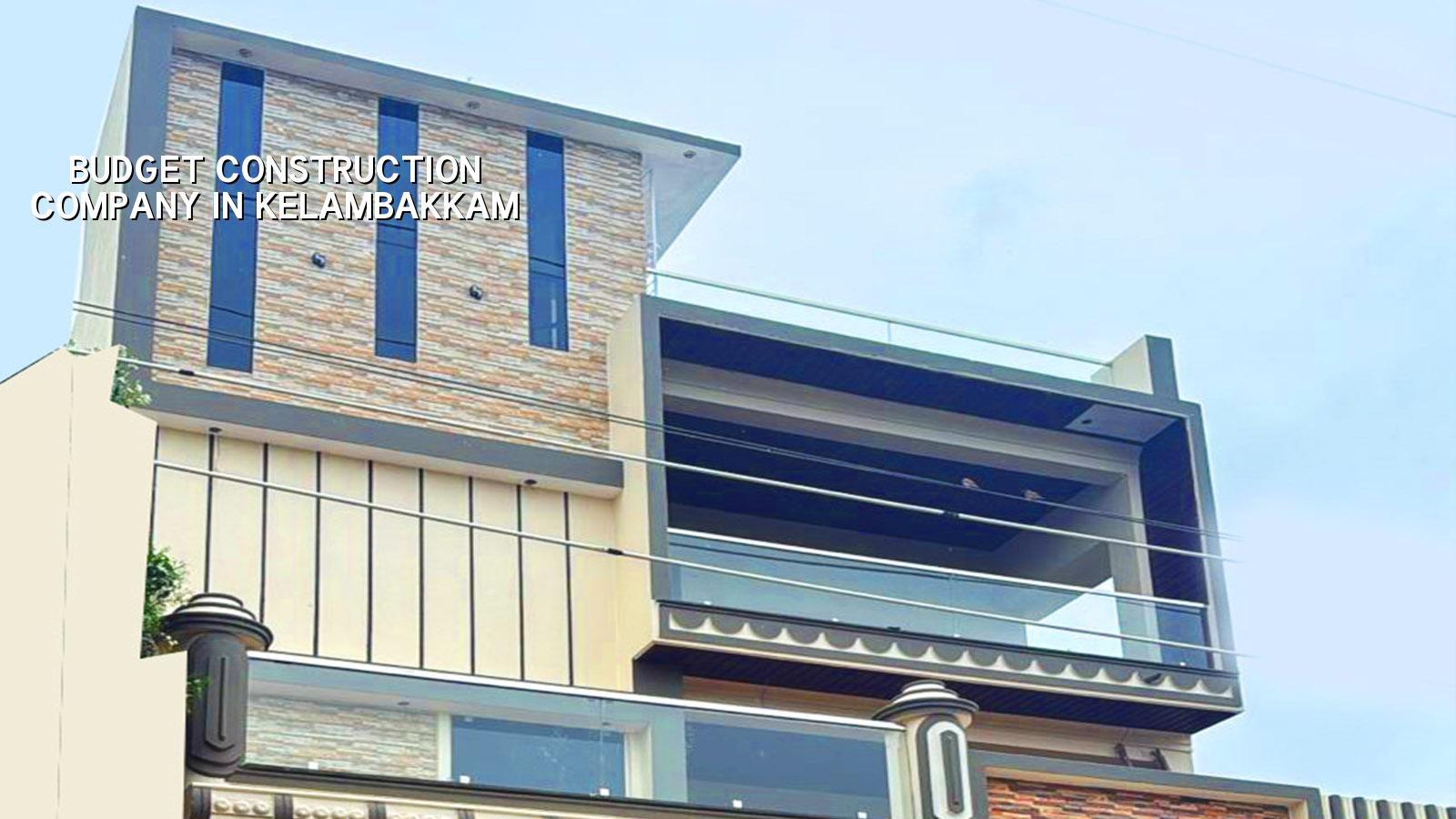
What Kelambakkam changes on site
Kelambakkam sits on the southern OMR side where larger plots still exist, but the ground is not the same from street to street. Some pockets hold water longer after rain, and that changes foundation choice, plinth planning and drainage details before the first column is cast. If you ignore that in a budget estimate, you don't save money; you move the bill to repair work later.
The other practical difference is access. On some streets a mixer, bar bending stack and shuttering timber can sit comfortably on the plot. On tighter internal roads, everything has to be timed, lifted and placed with care, which means more labour hours and less room for waste. That is why two houses with the same built-up area can have different budgets even when the finish looks similar on paper.
We also see more self-build clients here than in the older central city. They often want a compact ground plus one or two floors, not a flashy exterior. That is a sensible choice if the brief is clear, because a simple structural grid and a restrained finish package usually keep the project within reach.
The part of the budget you can control
A low-cost build is not about buying the cheapest brick or skipping steel. It is about controlling the heads that actually move the estimate: foundation type, structural span, floor count, finish level, and how cleanly the site can be worked. For standard residential construction in Chennai, the usual rate band is ₹1,900 to ₹2,300 per sq ft. If you move to mid-premium finishes, the band shifts to ₹2,300 to ₹2,800 per sq ft, and premium work goes higher still. The figure changes with soil, number of floors, span, finish level and site access, so a BOQ has to settle the real number before contract.
Where saving is sensible
Some savings are healthy. A simpler elevation, standard tile sizes, a clean rectangular plan and regular room proportions reduce wastage and labour. Standard aluminium or MS windows, rather than custom shapes everywhere, also keep the budget in line. In our experience, the people who stay happiest are the ones who decide early where they want comfort and where they can live with plain work.
Where saving is dangerous
Never save on soil testing, structural design, waterproofing or reinforcement quality. Chennai has too many homes where the visible finish looked fine for a year, then seepage, cracking or floor settlement started showing up in the monsoon. Once the concrete is cast, fixing a wrong foundation decision is far costlier than doing the test and design properly on day one. The same is true for rainwater management. Tamil Nadu requires rainwater harvesting, and on a site like Kelambakkam, the drain path has to be planned with the plot levels, not guessed later.
- Plot check and soil test — we first look at access, levels and the soil report; this usually takes a few days, and it decides the foundation type.
- Concept, estimate and BOQ — the layout is fixed around your budget, then we prepare the bill of quantities so hidden items don't surface later; allow one to two weeks for this stage.
- Structural and approval drawings — our in-house engineer and architect prepare the RCC and drawing set to the applicable local process; this often takes two to four weeks depending on revisions.
- Foundation to slab cycle — excavation, footing work, column work and slab casting are sequenced with site checks; one typical floor cycle may take several weeks based on size and weather.
- Brickwork, services and finishes — masonry, plumbing, electrical, plastering, tiling and painting follow in order; this is where most budget creep happens if decisions keep changing.
What a fair budget contract should contain
If someone quotes a low rate and refuses to spell out what is included, that is not a budget plan. That's a trap. A fair contract tells you what materials are included, what brand ranges are allowed, how payment moves stage by stage, and what happens if the client changes tile or fixture choices mid-way. We keep the BOQ detailed for that reason.
- Separate line items for foundation, RCC, masonry, plastering, flooring, painting and services.
- Clear note on whether material is supplied by us, by you, or shared by scope.
- Payment linked to work stages, not a vague lump sum.
- Written allowance for client-selected upgrades so you can see the cost before ordering.
- Foundation decision tied to the soil report, not a generic assumption.
- Drainage, rainwater harvesting and external level corrections shown in the estimate.
| Work head | What moves the cost | Budget control point |
|---|---|---|
| Foundation | Soil condition, water retention, plinth level, footing type | Test first; don't guess |
| Structure | Spans, floor count, RCC quantity, slab shape | Keep the plan regular |
| Finishes | Tile choice, paint system, door and window specification | Standard sizes save money |
| Services | Electrical points, plumbing runs, pump and tank layout | Freeze the layout early |
| External works | Site level, drainage, paving, RWH setup | Protect the building first |
Approvals, rates and the real timeline
Kelambakkam falls outside the city corporation side, so the licence route depends on the exact plot location and the local body that governs it. CMDA rules apply across the Chennai metropolitan area, but the building licence itself may come through the municipality or town panchayat that has jurisdiction there. If the plot is near the airport side, height clearance can also come into the picture. We check that before drawings are frozen, because a wrong assumption delays the whole job.
For a normal independent house, people often expect a fast start and then wonder why paperwork takes time. The truth is that the documents have to line up: patta, encumbrance certificate, FMB sketch, approved architectural drawings, structural stability certificate and drainage details. If one item is missing, the file stops moving.
On a budget project, timeline matters because delay itself costs money. Labour sits idle, materials get rescheduled and repeated site changes push work out. We prefer to lock the plan first and then build without drama. That's cheaper than rushing with half-baked drawings.
How we work on a tight budget
We keep the technical work in-house, so the architect, structural engineer and site engineer are talking to each other instead of passing corrections around. A site engineer is on the plot every working day, and we send weekly photo updates on WhatsApp if you can't visit. Before contract, you get a detailed BOQ and a milestone-linked payment schedule. If you want to talk through a plot in Kelambakkam, call us at +91 97107 13838 or email info@shalomconstruction.com.
Frequently Asked Questions
Most budget problems don't come from one big mistake. They come from ten small ones that nobody wanted to write down. If you want a house in Kelambakkam that stays honest on cost and solid in structure, start with the plot facts, not with a glossy estimate.
Budget Construction in Kelambakkam
Send us your plot details and we'll help you work out the BOQ, approvals and a practical construction budget for your site.
Request a Quote Call +91 97107 13838