


Best Home Renovation in Poonamallee
If you’re planning the best home renovation in Poonamallee, the first question is not the tile shade or the paint brand. It’s whether the house is only tired, or whether the structure itself needs repair before any finish work begins.
That difference decides your budget, your timeline and, in some cases, the whole method of work. We handle both kinds of renovation: cosmetic updates, and the harder jobs where walls, slabs, plumbing lines or damp patches need a proper engineering check first.
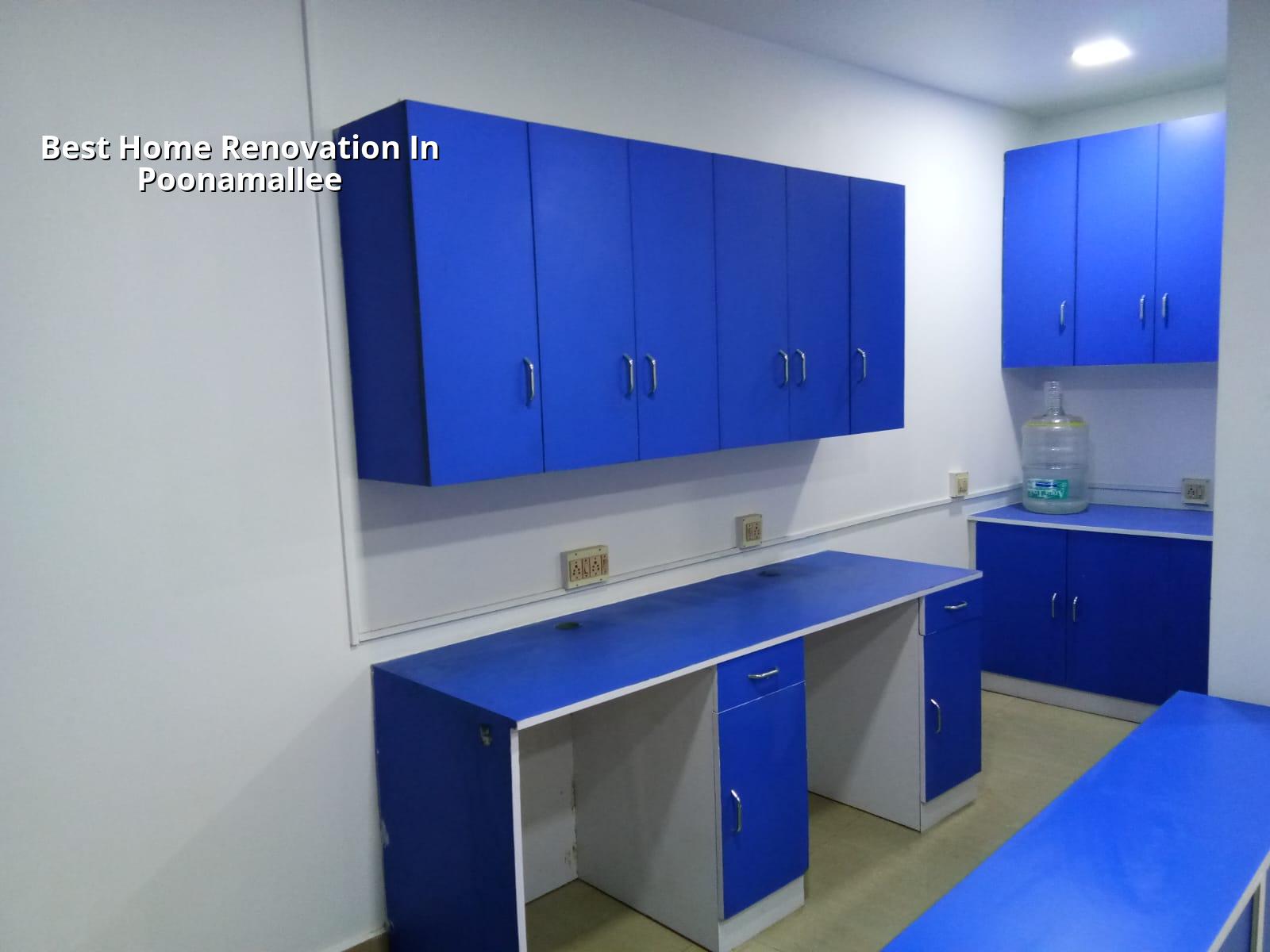
What Poonamallee homes usually need
Poonamallee has a mix of older independent houses, growing apartment pockets and buildings that have been altered more than once. In many streets, the bigger issue is not design. It is age, patchwork repairs and services that were added later without a proper plan. We often see a room that looks fine on the surface but has damp at the bottom of the wall, old wiring behind a fresh paint coat, or plumbing lines that were chased through masonry and never closed well.
That matters because renovation in a place like this is rarely a single trade job. If you are changing flooring, the screed and door clearances have to be checked. If you are moving a kitchen, the drain slope and venting need to make sense. If the building has any settlement cracks, we inspect them before you spend on interiors. In our experience, most bad renovation stories start with someone skipping that first hour of inspection.
The local approval side also matters. Poonamallee falls outside Greater Chennai Corporation limits, so licence and drawing handling depend on the exact jurisdiction of the plot. That can mean municipality or town panchayat procedures, and the paperwork is not the same for every street. If the work touches structure or adds built-up area, we check the route before work begins. For some properties, the right answer is a repair permit and technical drawings. For others, it is only maintenance work and no structural change at all.
What we inspect before anyone breaks a wall
Renovation is not just demolition and finish work. We start with the house in its current condition, because the current condition tells you what can be saved and what must be replaced. A ceiling crack above a wet bathroom is a different problem from a hairline crack in plaster. A sagging slab edge is a different problem from a loose skirting tile.
Our first checks
We look at the visible symptoms first, then the likely cause behind them. That includes the roof slab, toilet areas, compound wall movement, kitchen plumbing, old switchboards, door frames that have gone out of square, and any sign of moisture ingress near external walls. If the building is near an open drain or has poor site slope, we also check where rainwater is entering and where it is trapped. In a renovation, trapped water is expensive. It keeps returning after every finish layer you add over it.
For structural renovation, the technical side is handled in-house by our civil engineers, structural engineer and architect. We don’t guess at a beam or slab. We assess it against the actual condition on site and design to Indian standards such as IS 456:2000, IS 1893:2016, IS 875 and NBC 2016. If the soil or foundation condition suggests deeper issues, we say so early. Soil investigation is cheap compared with patching a structural mistake after the work is done.
- Site inspection and photo record — 1 visit, usually 1 to 2 hours, to note damage, dimensions and what can stay.
- Condition assessment — 2 to 4 days for drawings review, crack mapping and repair recommendations.
- BOQ and scope freeze — 2 to 5 days, with items listed clearly so you know what is included.
- Execution in stages — demolition, repairs, MEP, plaster, flooring, paint and finishing, with weekly checks.
- Snag correction and handover — final round of fixes, testing and a handover walk-through.
Repair first, finish later
That is the rule that saves money. People often want the house to look new as quickly as possible, so they start with paint, false ceiling and polished tiles. That works only if the base is sound. If the roof leaks, the paint will peel. If the toilet waterproofing has failed, the new tiles will hide a wet slab for a while and then the smell comes back. If wiring is old and brittle, a fresh interior finish does nothing for safety.
We usually split renovation into three layers. First is structural and leakage work: cracks, waterproofing, slab repairs, replacement of rusted steel where needed, and drainage corrections. Second is services: electrical rewiring, plumbing rerouting, switchboard upgrades, new light points and fixture planning. Third is finish work: flooring, wall finish, doors, painting, kitchen and wardrobes. If you reverse that order, you spend twice.
Where people save and where they should not
Saving on decorative items is sensible. Saving on waterproofing, structural repair, concealed plumbing, or electrical cable quality is not. Most homeowners can see the cost of granite or fittings. They cannot see the cost of a failed seal behind a bathroom wall. That invisible part is where the real argument sits.
- Check whether damp is from plumbing, roof ingress, or outside wall seepage before selecting a repair method.
- Ask for a BOQ that separates demolition, civil repair, MEP and finishes.
- Keep a budget line for hidden damage after opening old tiles or ceilings.
- Insist on a site engineer’s daily presence during active work.
- Test water lines, drainage and electrical circuits before final handover.
Cost, timeline and the trade-off you have to make
For renovation in Chennai, the rate depends on how much of the house you are changing. Painting alone sits in one band. A full interior fit-out sits in another. Structural repair is its own category because the unknowns are bigger. For reference, our indicative rates are: painting at ₹25–₹45 per sq ft, interior works at ₹1,200–₹2,500 per sq ft, and residential construction bands from ₹1,900–₹3,500+ per sq ft depending on finish level. Renovation often falls between those figures, but the real number only settles after inspection and BOQ.
The trade-off is simple. A light renovation gives faster occupancy and a lower initial bill, but it can leave old services in place. A deeper renovation takes longer and costs more at the start, yet it can stop repeat leakage, cracked finishes and patch repairs. We tell clients the honest version: if the house is ten to twenty years old and the lines behind the walls are failing, a cosmetic job is a short-term fix, not a solution.
| Renovation Head | What It Covers | Typical Risk If Skipped |
|---|---|---|
| Structural repair | Cracks, slab issues, rust treatment, masonry repairs | Finish damage returns, safety questions remain |
| Waterproofing | Toilets, terrace, balconies, wall seepage treatment | New paint peels, smell and damp continue |
| MEP upgrade | Wiring, plumbing, switchboards, fixtures | Frequent failures, unsafe loads, hidden leaks |
| Finishes | Flooring, paint, doors, kitchen, wardrobes | The house looks fresh for a short while only |
How the area changes the work
Poonamallee is useful to renovate in one sense: many plots still have workable access compared with older central Chennai lanes. But access is not the whole story. Some homes sit on streets where stacking material is tight, and some are in mixed zones where you need to plan delivery timing around traffic and neighbours. If the house is close to the main highway side, you also have to think about dust, movement of labour and where the rubble truck can actually stop.
The approval route is another practical point. The exact body that issues the building licence depends on the plot’s location, and that affects timing. We don’t tell clients to start breaking walls while paperwork is still vague. If the work is internal maintenance only, the process is lighter. If you are altering structure, adding rooms or changing load paths, drawings and certificates become part of the job. That is normal. It is cheaper than fixing a stop-work issue later.
One more thing people miss: rainwater. Tamil Nadu has made rainwater harvesting mandatory for years, and in a renovation it is wise to check whether the old system still works. A blocked downpipe or broken recharge line can undo terrace waterproofing and soak up a wall that you just repainted. On the second week of monsoon, that mistake shows very clearly.
How we work
We begin with a site visit, not a sales pitch. Our site engineer comes every working day once the job starts, and our team keeps the client updated with weekly WhatsApp photos if you can’t be on site. We give a detailed BOQ before any contract is signed, and the payment schedule is linked to milestones. For renovation work, that keeps the scope honest and stops small changes from becoming a running dispute. If you want us to look at a Poonamallee house, call +91 97107 13838 or write to our contact page. You can also review our renovation service and interior works pages if you want to compare scope before the visit.
Frequently Asked Questions
If you are standing in an old house in Poonamallee and wondering whether to repair, renovate or start over, that decision should be made on site, not over text. A proper inspection settles more than a week of guessing.
Home Renovation in Poonamallee
Send us the house location, a few photos and your rough budget. We’ll reply with the right next step, whether that is a site visit, a BOQ review or a structural check.
Request a Quote Call +91 97107 13838