


Best Home Renovation in Chennai
If you're planning the best home renovation in Chennai, start with the building you already have, not with the finishes you want. A good renovation begins by checking cracks, damp patches, beam condition, plumbing runs and whether the old plan can actually carry what you want next.
Most owners call us after one of two things happens: a terrace leak has reached the slab below, or the house no longer fits the way the family lives. We can help you sort what needs repair, what can stay, and what should be rebuilt before you spend on tiles, paint or wardrobes.
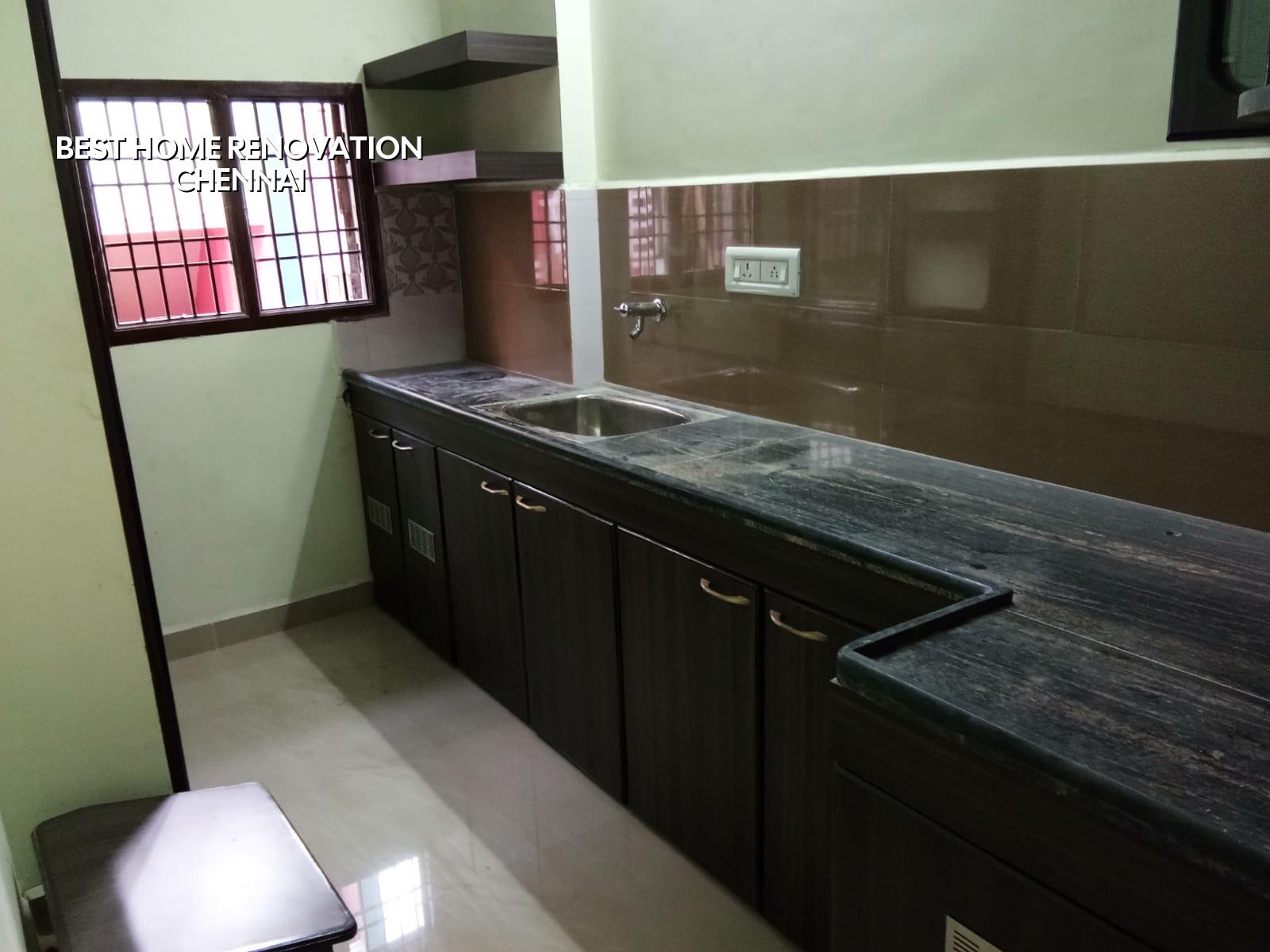
What Chennai changes in a renovation
Chennai is not kind to lazy renovation work. In low-lying pockets like Velachery, Pallikaranai and parts of Saidapet, water does not disappear quickly after heavy rain, so a floor-level change, a plinth repair or a drain line reroute can matter more than a fresh ceiling. Near the coast in Besant Nagar, Thiruvanmiyur, Adyar and the north Chennai side, salt in the air speeds up corrosion if the old concrete cover is thin or the steel has already started rusting.
In older central areas such as Kodambakkam, Purasawalkam and Egmore, the problem is often access. Narrow streets, no place to stage material, neighbours close by and older structures that were never built for today's loads. In west and south-west Chennai, including Thiruverkadu, Poonamallee and Kundrathur, the site may be easier to work on, but the house often has mixed-age additions, patched slabs and changes made without drawings. Each of these needs a different approach.
That is why we do not treat renovation as a paint-and-finish job. The locality, the age of the structure and the actual damage decide the order of work. If you skip that, you end up spending twice, first on cosmetic work and later on the repair that should have happened at the start.
What we inspect first
Before we talk about tiles, we check the structure. A renovation can be light, medium or heavy, and the first inspection tells you which one you're in. We look for settlement cracks, slab seepage, rust staining, deflection, hidden damp near toilets and kitchens, loose plaster, roof slope and whether the existing plumbing and electrical runs can be reused safely.
The trade-off most owners face
You can keep more of the old house and spend less up front, or you can open the work properly and fix the things that are already failing. The first option sounds cheaper. Sometimes it is. But if the slab is leaking, a new false ceiling only hides the stain; it doesn't stop water from reaching the reinforcement. On the other hand, opening everything is expensive and can turn a small job into a long one, so we don't recommend that just to look thorough.
The right answer is usually somewhere in the middle. Keep what is sound. Replace what is weak. Rework the wet areas, the terrace edge, the old plumbing and the electrical points that no longer suit the house. That is the kind of balance a real renovation needs.
- Inspection and condition mapping — one visit, sometimes two, to mark cracks, damp zones and structural concerns.
- Scope freeze and BOQ — details of demolition, repair, materials and finishes are written before contract signing; usually 3 to 7 days.
- Selective demolition — only the parts that need removal are opened first, so hidden defects can be seen; 3 days to 2 weeks depending on the house.
- Repair and services — plaster, waterproofing, plumbing, wiring and structural strengthening where needed; often the longest stage.
- Finishes and handover — flooring, painting, fixtures and final snag correction; usually the last 1 to 3 weeks.
What best renovation means, practically
For us, the best renovation is the one that fixes the real problem without creating a new one. A straight wall with wet plaster behind it is a bad job. A polished floor over a slab that still leaks is a bad job. A bathroom that looks new but has no proper slope to the trap is a bad job. A good renovation respects the existing building, then corrects what age, water and earlier shortcuts have damaged.
- Ask for a written scope that says what stays, what comes down and what gets rebuilt.
- Check whether waterproofing includes surface prep, crack treatment and curing, not just a coating brand name.
- See how plumbing lines will be routed if the old lines are already buried inside walls.
- Confirm whether electrical rewiring is partial or full, and how old switchboards will be handled.
- Ask how the contractor will protect the parts of the house that are not being touched.
- Look for a BOQ before payment starts. Without that, renovation costs drift fast.
| Renovation type | Typical scope | Indicative rate |
|---|---|---|
| Light refresh | Painting, minor plaster repair, basic fixture changes | ₹25 – ₹45 per sq ft for painting work, with any extra repair priced separately in the BOQ |
| Medium renovation | Flooring replacement, toilet upgrades, wiring and plumbing corrections | Usually falls under interior works, ₹1,200 – ₹2,500 per sq ft depending on materials and scope |
| Structural renovation | Beam, slab or wall repair, strengthening, damp treatment, layout changes | Priced by actual repair quantity after inspection; the rate moves with the damage and access |
| Full house makeover | Combined repair, civil changes, finishes and services | BOQ-based, with each head measured before contract; no honest contractor should quote this from a photo alone |
Approvals, timing and the mistake people make
Not every renovation needs the same paperwork. If you're changing internal finishes, replacing sanitary fittings or repainting, the process is usually straightforward. If you're altering structure, changing load-bearing members, adding a floor or reworking drainage in a way that touches the approved plan, the checks become stricter. In the Chennai Metropolitan Area, CMDA rules and the local body's procedure still matter, whether the plot sits under Greater Chennai Corporation, a municipality, a town panchayat or a cantonment area like Pallavaram.
The mistake people make is starting demolition before they know what is inside the wall. We see this often. Someone removes a bathroom wall, finds a shared plumbing stack, and then the whole family is stuck while the line is rerouted. Another common one: they paint first and only later notice the terrace crack. The order matters. In renovation, sequence saves money.
For a typical house renovation, the practical timeline is often 4 to 12 weeks for a partial job and longer if structural repairs are involved. Weather can stretch that. The second week of monsoon is where untreated damp shows up fast, especially on terrace edges, parapet joints and external wall corners.
How we work on renovation jobs
We start with an inspection by our civil team, and when needed our structural engineer and architect look at the same house before anything is opened. We prepare the BOQ first, then agree the milestones and payment stages in the contract. A site engineer is on site every working day, and clients who can't visit get weekly photo updates by WhatsApp. If you want us to look at a house in Thiruverkadu, Anna Nagar, Tambaram, Velachery or anywhere else in Chennai, call +91 97107 13838 or email info@shalomconstruction.com. We'll tell you plainly what needs repair and what doesn't.
Frequently Asked Questions
Renovation rewards patience more than speed. If you get the order right, the house becomes easier to live in and easier to maintain. If you get it wrong, the same leaks and cracks come back wearing newer paint.
Best Home Renovation in Chennai for your house
Share your site details and we'll help you with a practical inspection and a BOQ-based quote before you spend on the wrong work.
Request a Quote Call +91 97107 13838