


Best Home Renovation in Vepery
Best home renovation in Vepery starts with a proper check of the old house, not with paint samples. In this part of Chennai, many homes are decades old, walls have seen water seepage, and the real work is often hidden behind the ceiling, floor finish, or a tired-looking terrace slab.
If you are planning to renew an inherited house, fix recurring cracks, or turn an old family home into something easier to live in, the first question is not style. It is what can stay, what must be repaired, and what should be rebuilt before you spend on finishes.
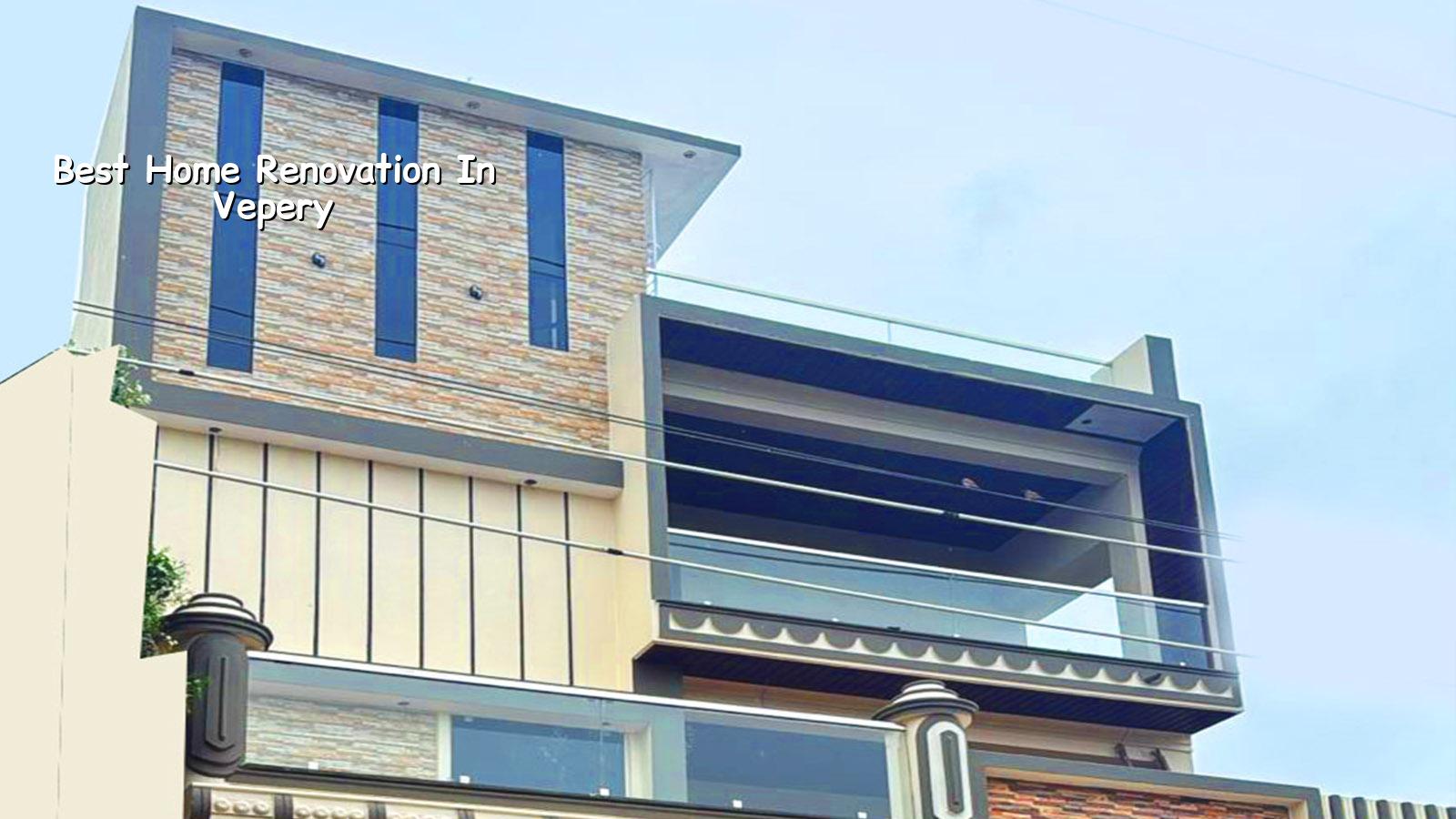
What Vepery changes in a renovation
Vepery is not a place where you can treat renovation like a blank-sheet villa project. It is a central, older neighbourhood with mixed building stock, tighter access, and the sort of site conditions that make material movement and neighbour coordination part of the job. On many streets, you do not get the luxury of large stacking space, so dismantling, debris removal and fresh material delivery must be planned in the right order. If a lorry cannot stop safely, every trade slows down.
The age of the building matters too. Houses built 25 to 50 years ago often need more than cosmetic work. We look for damp patches near toilets and parapet walls, rust marks at slab edges, hairline cracks around openings, sagging doors, and floor levels that have been altered badly over time. A renovation in Vepery usually works best when you first fix the structure and services, then move to finishes and interiors. Skipping that order is how people end up repainting the same stain every monsoon.
The other local reality is approvals and utility shifts. When you touch load-bearing walls, alter staircase positions, add a toilet, or change the roof treatment, you need to know what the building can safely take. That is where a site visit by a civil engineer matters. We do not guess from photographs. The wall thickness, slab condition, access path, and existing drainage all decide the scope.
What we inspect before any work begins
For older homes, condition assessment is the whole game. A fresh-looking surface can hide a weak slab edge or a leaking terrace line. We start with a visual survey, then decide whether the repair is local, partial, or full-scale. In many cases, the house does not need demolition. It needs careful opening up at the right points, followed by repair that matches the original structure rather than fighting it.
First signs that tell us the house needs more than paint
Rust streaks at beam corners usually point to reinforcement corrosion or water entry. Bulging plaster near bathrooms often means plumbing leakage or bad waterproofing. Cracks that keep returning after patching are a warning sign, not a finishing issue. If a floor has become uneven, we check whether the old screed has failed, the sub-base has settled, or the timber/steel members beneath are moving. Those are not the same problem, and the fix is different in each case.
What we can usually keep, and what we often replace
Doors, window frames, and tiled flooring may be salvageable if the damage is local. Old plumbing lines, concealed electrical wiring, terrace waterproofing, and bathroom waterproofing are commonly replaced in a serious renovation because they are cheap to access only once. The same goes for ageing switchboards and earth connections. A lot of owners want to keep the old lines because they are invisible and seem harmless. In reality, the hidden items are usually what cause the second round of repair.
- Survey and marking — 2 to 4 days for a typical house, depending on access and how much is already exposed.
- Dismantling and opening-up — 3 to 10 days, with careful removal of weak plaster, old flooring, leaky toilet build-ups, or roof treatment.
- Structural and service repairs — 1 to 3 weeks for RCC patch repair, plumbing changes, wiring, and waterproofing base work.
- Finishes and fit-out — 2 to 5 weeks for flooring, painting, carpentry, false ceiling, and final fixtures.
How to choose the right renovation scope
The biggest mistake people make is asking for a quote before they know the scope. A contractor can price a light refresh very differently from a structural renovation, and both can be called “home renovation” in casual conversation. You need to separate cosmetic work, service replacement, and civil repair. Once that is clear, the budget becomes more honest.
- Ask for a room-by-room scope sheet, not a one-line lump sum.
- Check whether waterproofing is included for toilets, balconies and terrace edges.
- Confirm if electrical rewiring includes concealed conduits, earthing and breaker changes.
- See whether demolition, debris removal and site cleaning are part of the price.
- Ask what happens if hidden damage is found after opening the wall or floor.
- Get the BOQ before you sign, so materials and quantities are visible.
If you are comparing contractors, do not let anyone hide the repair items under “miscellaneous”. That line item is where a lot of trouble starts. A fair renovation contract says what is included, what is excluded, who supplies material, and how variations are measured. It also states the payment stages. That is ordinary discipline, not a luxury.
Costs, timelines, and the things that move them
For renovation work, the rate depends on what you are changing, not just on the carpet area. Interior-only fit-out sits in the interior works band of ₹1,200 – ₹2,500 per sq ft. If the work includes structural repair, re-plastering, waterproofing, plumbing replacement, and electrical rewiring, the figure can climb quickly. We never give a flat total project price on a public page, because the final number changes with existing condition, finish level, span, soil-related foundation needs if any new addition is planned, and site access.
In Vepery, the access piece can matter more than people expect. A house on a narrow street with no place to stack sand, tiles, or cement bags takes longer to run than a similar floor area in an open layout. Labour time rises when every load has to be moved by hand, and the house remains partly occupied. If you want the work finished cleanly while people are living inside, the sequencing has to be tighter.
| Work Head | What It Covers | Typical Range or Time |
|---|---|---|
| Light refresh | Putty, paint, minor carpentry, small tile repairs | 2 to 4 weeks |
| Bathroom or kitchen renewal | Dismantling, waterproofing, plumbing, tiling, fixtures | 3 to 6 weeks per zone |
| Full interior fit-out | False ceiling, flooring, paint, electrical changes, storage | Interior works band: ₹1,200 – ₹2,500 per sq ft |
| Structural renovation | RCC repairs, wall changes, terrace treatment, service renewal | Often 6 to 12 weeks or more |
For any new room addition or load change, we also check the structural side to IS 456:2000, IS 875 and NBC 2016, with seismic design in mind for Chennai under IS 1893:2016. If the house has to take extra load, that decision belongs at the engineering stage, not after plastering has started. Soil investigation is part of that conversation when a new foundation or extension is being planned. It is cheap compared with fixing a bad foundation later.
How we handle renovation work
We keep the technical work in-house. That means our civil engineers, structural engineer and architect look at the building together, and a site engineer is on site every working day. For clients who cannot visit often, we send weekly photo updates on WhatsApp. Before contract signing, we prepare a detailed BOQ so you can see what is being repaired, what is being replaced, and where the money goes. If you need a renovation in Vepery that is more than paint and polish, call us and we will inspect the house properly. Reach us at +91 97107 13838 or write to info@shalomconstruction.com. You can also see our projects, renovation and interior works pages.
Frequently Asked Questions
Some houses need a fresh look. Others need a structural reset with careful repair before anyone talks about colour, wardrobes, or false ceilings. The difference shows up only when the building is opened and checked properly.
Plan your home renovation in Vepery
Send us the site details or call for an inspection, and we will prepare the scope with a BOQ before you commit to the work.
Request a Quote Call +91 97107 13838