


Aluminium Fabrication Contractors in Mambakkam
If you're comparing aluminium fabrication contractors in Mambakkam, the first thing to settle is not the finish. It's whether the section size, joint detail and fixing method suit the opening you actually have.
Most calls we get for aluminium work are about doors, windows, partitions, grills and pergola-type frames. The problem is usually the same: the client wants a neat-looking section, but the site has uneven masonry, a live edge on the slab, or a fixing line that will move once plaster and tiles go in.
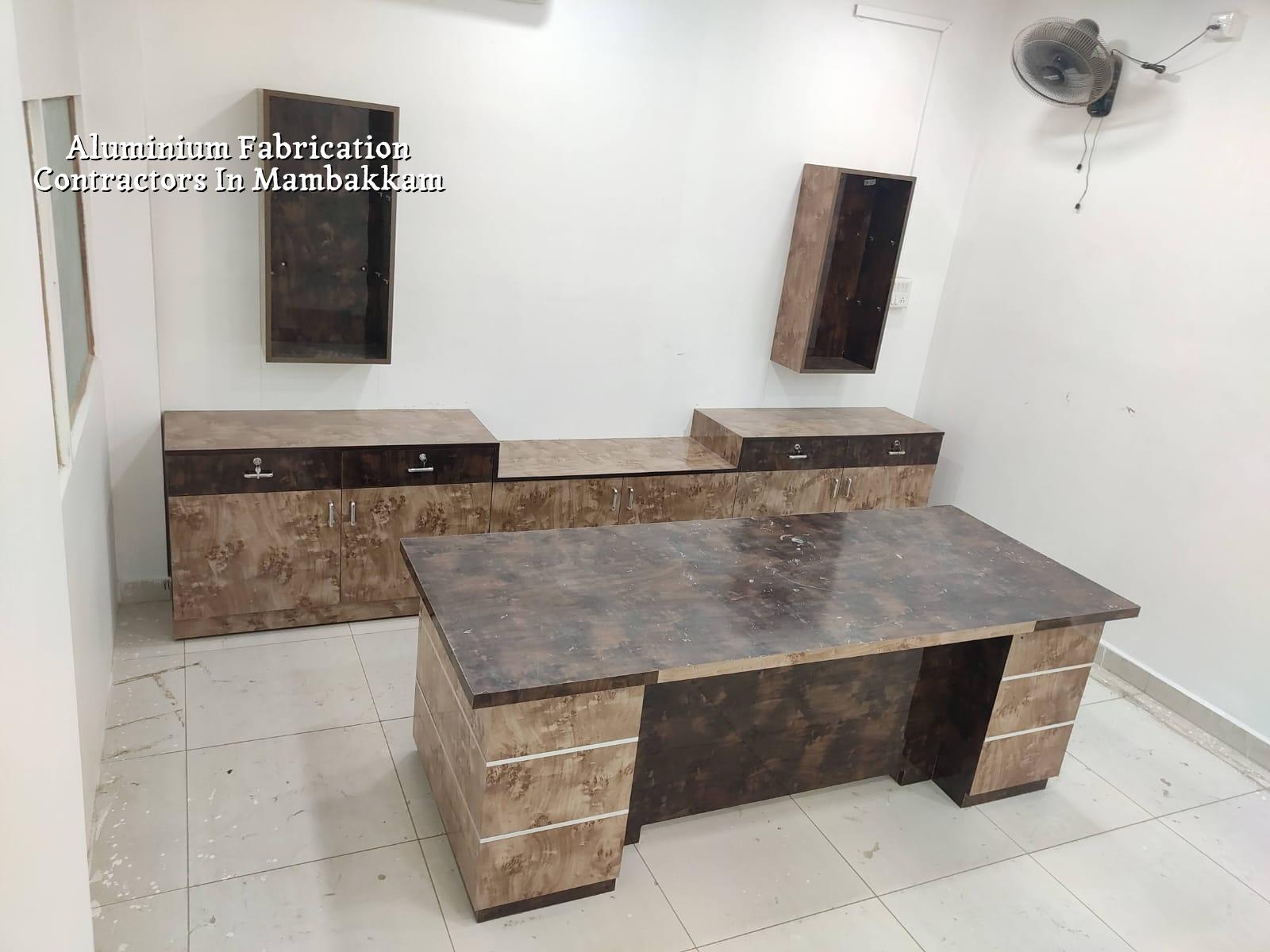
Mambakkam site conditions
Mambakkam sits in the growth belt off OMR, where a lot of plots are still being built out in phases. That changes aluminium work in a practical way. Many homes are on newer layouts with compound walls, separate sump lines and unfinished edges, so the frame has to be measured after the civil work is stable, not from a rough opening taken too early. A few millimetres of mismatch on a window frame becomes a permanent shutter issue later.
The other local reality is site access. Some plots have enough room for material stacking and cutting, but others are tight because the compound wall, sump excavation and labour movement all happen at the same time. In those cases we plan the delivery size of sections, keep cutting inside the plot to a minimum, and avoid bringing in finished powder-coated pieces before the masonry dust has settled.
Because this side of Chennai still sees mixed ground conditions, we also watch for movement around freshly built walls and parapets. Aluminium is light, but the anchoring around it is not forgiving. If the supporting masonry is still drying or if the opening has not been squared properly, the shutter will look fine on day one and bind after a few weeks.
What changes the fabrication detail
Aluminium fabrication is not one trade. A sliding window, a fixed ventilator, a glazed partition and a handrail all need different section thickness, fastener spacing and sealant treatment. We build the detail from the use of the opening first. A bedroom window must shut quietly and stay aligned. A balcony handrail must resist push and wobble. A partition in a shop or office must keep a straight line and hold hardware without sagging.
Where people get it wrong
The common mistake is to treat aluminium like a finish item only. It is structural enough to fail when the base is wrong, and light enough to hide poor detailing until the first hard use. We see this with shutters that scrape the sill, corners that open after seasonal movement, and joints that let in dust because the sealant line was never planned as part of the section. The frame can look sleek and still be badly made.
Another mistake is choosing the cheapest section without checking the span. For a small toilet ventilator that may be fine. For a wider balcony slider, it is a bad saving. The panel weight, track wear and locking arrangement all matter. In our experience, people usually regret saving on the section thickness before they regret paying for it.
- Measure after the civil opening is ready — We confirm clear size, plumb and level, then allow for plaster, tile and sealant thickness. This takes one visit, sometimes two if the masonry is still curing.
- Freeze the section and hardware — We decide profile size, glass or infill type, handles, hinges, locks and mesh. This is where the cost and appearance are fixed.
- Fabricate and trial-fit — Cutting, assembly, corner joining and dry fitting happen in the workshop. Small items are usually ready in a few days; larger fitted items take longer.
- Install and seal — Frames are anchored, shutters aligned and perimeter joints sealed. This is the stage where a careless team can ruin a good product by rushing the fixing line.
- Check operation and hand over — We test opening, closing, lock action and visible gaps, then mark any snag points before final handover.
How to verify a fabricator before you sign
If you're comparing builders or fabrication teams, ask for the drawing or section sketch, not only a rate. A fair contractor should be able to show what section is being used, how it will be fixed to the wall, and what finish is included. If the answer is just a square-foot quote with no detail, you're buying a guess.
- Ask for the section profile and thickness in writing.
- Check whether fixing clamps, screws, anchor bolts and sealant are included.
- Confirm if powder coating, anodising or plain mill finish is being offered.
- See how corners, joints and drainage paths are treated on sliding frames.
- Ask who measures on site and who takes responsibility if the opening shifts.
- Read the payment stages before paying advance money.
The fair contract is not the longest one. It is the one that says what is included, what is excluded, what sample finish you will get approved and what happens if the civil opening changes after measurement. That is the part most homeowners skip and later complain about.
Rates, finish choices and what really moves the price
For aluminium fabrication, there isn't a single rate that makes sense for every opening. The price moves with section size, shutter type, hardware quality, glass or infill specification, finish, site access and the amount of custom cutting needed. For Chennai homes, a detailed BOQ is the only honest way to settle the figure before work starts. We don't publish a total project price because it would be false precision.
For context, interior fit-out and fabrication-type work in Chennai generally sits in the interior works range of ₹1,200 to ₹2,500 per sq ft, but that is only a broad bracket. A small grill window with simple hardware sits at the lower end of effort. A large glazed aluminium partition with better hardware, straight alignment and careful sealing is a different job. Soil, structure and opening quality still affect the final quote because they affect fixing time and rework.
| Item | What drives the rate | What you should ask for |
|---|---|---|
| Sliding window | Section size, track quality, mesh, glass thickness | Profile sketch, shutter count, lock type |
| Fixed frame | Frame size, fixing points, sealant line, finish | Wall fixing method and perimeter treatment |
| Partition | Height, panel layout, glass or board infill, hardware | Section detail and joint positions |
| Handrail or railing | Span, anchoring, top rail section, exposure | Anchor detail, finish, and load use |
One thing people often miss: saving on the aluminium section and then spending on repeated adjustments is usually false economy. A frame that needs rework after plastering costs more in labour, damage and time than a proper section would have cost at the start.
How we work on aluminium jobs
We handle the technical side in-house with civil engineers, a structural engineer and an architect reviewing the job where needed. A site engineer is on site every working day, and for clients who cannot visit, we send weekly photo updates on WhatsApp. Before any contract is signed, we prepare a detailed BOQ and tie the payment stages to milestones, so you know what is being paid for.
For larger homes and mixed-use plots, we also coordinate aluminium with the masonry, plaster and electrical teams so that the frame line is not fighting the wall finish. If you want us to look at a drawing or an opening on site, call +91 97107 13838 or write to info@shalomconstruction.com. Our office is at No. 45, 2nd Main Road, Abirami Nagar, Koladi (Landmark: Ratna Chamber), Thiruverkadu, Chennai – 600077.
Frequently Asked Questions
When aluminium is done properly, you stop noticing it. The shutter moves cleanly, the joints stay quiet and the opening does its job through monsoon, dust and daily use. That is the standard we work to on every Chennai site.
Aluminium Fabrication Contractors in Mambakkam
Send us your drawing, a rough size or a site pin, and we'll help you sort the section, finish and fixing detail before you spend on fabrication.
Request a Quote Call +91 97107 13838