


Waterproofing Contractors in Guindy
If water is showing up on your ceiling, through a terrace crack, or along a toilet wall, you need waterproofing contractors in Guindy who will find the source first, not just coat the symptom. In this part of Chennai, mixed-use buildings, old RCC slabs, and heavy service runs make leak paths harder to read than people expect.
We handle roof, toilet, wall, and basement waterproofing with the same first rule: diagnose before you patch. The work only holds when the slope, drain detail, joint treatment, and surface preparation are right, so this page explains what fails in Guindy, what a proper repair looks like, and where a cheap fix usually comes back through the paint.
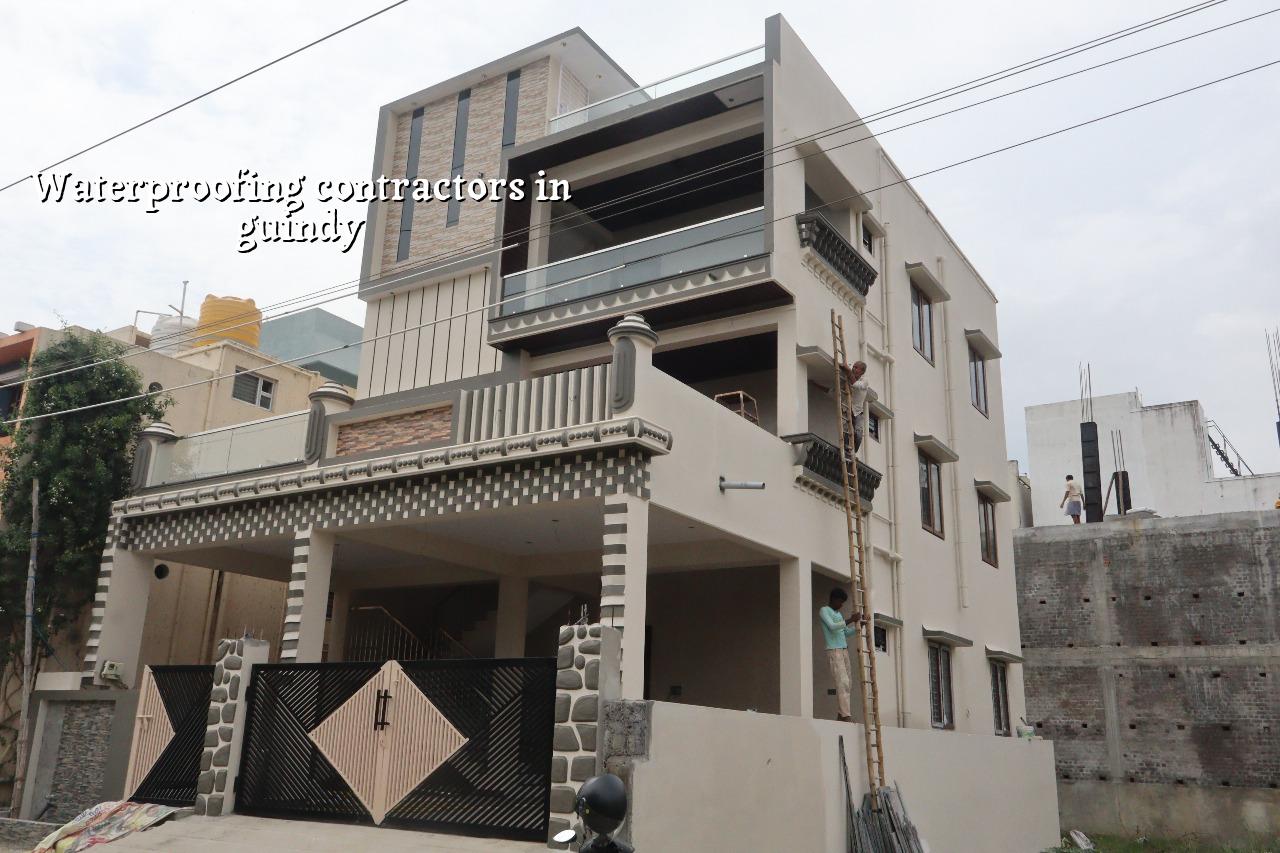
What Guindy sites usually do to water
Guindy is not a quiet residential pocket with one type of building. You get office blocks, factories, workshops, apartments, and older houses sitting close to busy roads and service corridors. That mix matters because waterproofing fails in different ways on each one. On a terrace, the weak point is often at the khurram, rainwater pipe, or parapet junction. In toilets, it is usually the floor-to-wall corner, the pipe sleeve, or a badly cut sunken slab. In older buildings, repeated patch repairs create more crack lines than the original leak.
The local approval side also matters. If you are repairing an occupied building, work windows may be short, especially in a commercial stretch where deliveries and staff movement continue through the day. Access can be tight too. A pump mixer, debris bags, curing water, and material storage all need space, and Guindy plots often give you less of that than the job deserves. So the method has to be tidy, fast, and honest about drying time.
We also see a common Chennai problem here: people call for waterproofing only after paint has already bubbled or the slab has started spalling. By then, the leak has often run through plaster, conduit chases, or tile bedding. The coating you see on top is the last layer in the failure chain, not the first one.
What we inspect before we touch the leak
Waterproofing is not a bucket-and-brush job if you want it to last. We start by tracing the wet line, the rain pattern, and whether the leak happens in the first shower or after a long monsoon spell. That tells us whether the problem is on the terrace, through a wall, from a pipe, or from standing water that has nowhere to leave. In Guindy, we often find more than one cause on the same property.
Where the repair usually begins
A correct repair may include hacking loose plaster, opening cracks, treating construction joints, repairing pipe penetrations, forming a proper slope to the drain, and then applying the right membrane or chemical treatment. For terraces, the surface must be clean, sound, and dry enough for the system chosen. For toilets, the wet area and the adjacent wall upturn need careful treatment, not just the visible floor tiles. For external walls, the issue may be failed joints, hairline cracks, or water entering from the top of the parapet and travelling down behind the plaster.
- Survey and leak mapping — We inspect the stain line, crack line, terrace slope, and wet-use details first. This usually takes one visit, sometimes two if the leak is intermittent.
- Open and clean the failed area — Loose plaster, damaged screed, broken tile bedding, and weak patches are removed. A rushed surface never bonds properly.
- Repair the source detail — Cracks, pipe sleeves, junctions, and drain edges are treated according to the defect, not by one blanket method.
- Apply the waterproofing system — The selected membrane, coating, or crystalline treatment is laid in the specified thickness and number of coats.
- Cure and test — We allow the right curing time, then do a ponding or wet-area test where the work permits it.
Choosing the right method is the real decision
People often ask for “the best waterproofing.” There isn’t one. A terrace with slope failure needs a different answer from a bathroom with tile leakage, and both are different again from a cracked retaining wall or a leaking expansion joint. The honest choice depends on whether the structure is moving, whether the crack is active, how much headroom you have, and whether the old layer can be trusted at all.
Here is the trade-off most owners have to face. A coating system is cheaper and faster, and on a sound surface it can work very well. But if the slab has poor slope, hollow plaster, or hidden cracking, a topcoat only hides the problem until the next monsoon. A membrane system or full terrace redo costs more and takes longer, yet it gives you a base that actually sheds water instead of trapping it. The cheap option is not always wrong. It is wrong when the substrate is already failing.
- Ask what exactly failed: terrace slope, crack, joint, pipe sleeve, or tile bedding.
- Ask whether the existing plaster or screed is sound enough to keep.
- Ask what curing time is needed before the area can be used again.
- Ask how the work will be tested after completion, not just how it will be applied.
- Ask for a BOQ so you know what materials and layers are included.
What a proper specification looks like
For terraces and wet areas in Chennai, the specification matters more than the brand name on the bag. We use Indian design standards in the background of our work, and the repair must suit the building, the exposure, and the load on the surface. A terrace that gets walked on daily by tank operators or maintenance staff needs a tougher finish than one that is rarely used. A toilet that has sunken piping needs a different detail from one where only the grout has failed.
Chennai weather also changes the sequence. A repair started just before a hard rain can fail if the substrate is not dry enough, and a rushed patch on a damp slab often peels at the edge. In our experience, the second week of monsoon is when weak waterproofing starts speaking clearly. The first week may look fine. The next one tells the truth.
| Area | Typical failure point | What a correct repair includes |
|---|---|---|
| Terrace | Slope to drain, crack lines, parapet joint | Surface preparation, crack treatment, proper screed or membrane, ponding test |
| Toilet | Floor-to-wall corner, pipe sleeves, tile joints | Opening weak joints, sealing penetrations, upturn treatment, wet-area test |
| External wall | Hairline cracks, failed plaster, top-edge seepage | Crack filling, plaster repair, compatible coating, edge detailing |
| Basement or sump | Hydrostatic pressure, joint leakage | Joint sealing, surface system or internal lining, drainage check |
Cost, timing, and what changes the bill
Waterproofing cost is driven by the area, the failure depth, the method used, and the amount of demolition needed before new material can bond. If the substrate is already sound, the job may stay relatively simple. If tiles need removal, plaster has to be hacked out, or a terrace screed must be rebuilt, the price rises because the labour and curing time rise with it. We never quote a total project price from a website page, because a detailed BOQ settles the real figure before any contract is signed.
If you want a planning number, Chennai waterproofing work usually sits inside the project rates for repair and fit-out, but the final figure depends more on the defect than on the pin code. The wrong way to save money is to skip surface preparation. The sensible place to save is by choosing the minimum system that truly matches the defect, not by buying a thin coating and hoping for the best.
What we tell owners most often is simple: fix the source, not the stain. A painted-over wet patch may look clean for a month. It does not become dry just because you cannot see it.
How we work on site
We send a site engineer every working day, and our in-house team handles the technical side instead of pushing it out to strangers. For clients who cannot visit, we share weekly photo updates by WhatsApp. Before any contract, we prepare a detailed BOQ so you know what is included and what is not. If the work needs structural input, our civil engineer, structural engineer, and architect review it together. You can call us on +91 97107 13838 or email info@shalomconstruction.com if you want us to inspect a leak in Guindy.
Frequently Asked Questions
Water problems do not get better with postponement. If the stain has started spreading, we can inspect the source and tell you whether it needs a repair patch, a full rework, or a change in detail before the next monsoon arrives.
Waterproofing Contractors in Guindy
Send us a photo of the leak, and if needed we will arrange a site visit and prepare a BOQ-based quote for the repair.
Request a Quote Call +91 97107 13838