


Steel Fabrication Contractors in Saidapet
If you need steel fabrication contractors in Saidapet, the first question is usually not about design. It is whether the work will fit the site, finish on time, and stay straight after a few monsoons and a few years of use.
That is where small details matter: the thickness of the member, the weld quality, the way the anchor plates sit on existing concrete, and whether the shop drawing matches the actual opening on site. We work across Chennai, and Saidapet needs particular care because access is tight in many streets, approvals can be slow, and there is rarely much room for staging or rework.
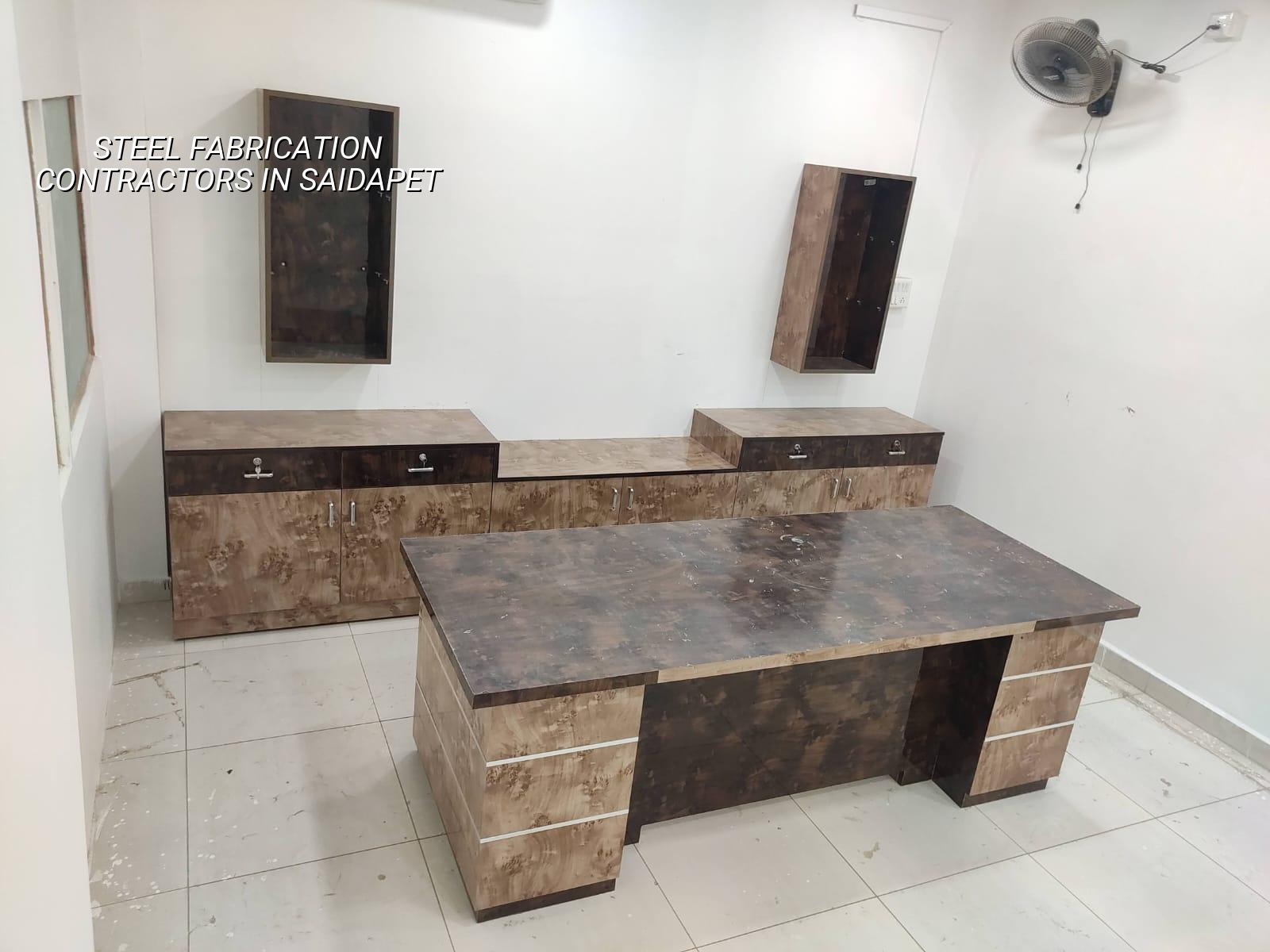
Saidapet site conditions that change the job
Saidapet sits in a dense, older part of the city, close to the Adyar river side in some pockets and crowded mixed-use streets in others. For fabrication work, that means your real constraint is often not the steel itself but how we get it in, where we unload it, and when we can work without blocking a narrow road or upsetting the next door shop.
On a Saidapet site, a gate frame or stair support often has to be measured twice and made once, because there is no wide margin for cutting on site. If the work is for a terrace, compound wall, mezzanine, or small shed, we plan around vehicle access, neighbour clearance, and the fact that hot work cannot always happen at full daylight hours. That is very different from an open industrial plot in Ambattur or a planned villa layout in the outskirts.
The other local point is corrosion and finish. In Chennai, a bare steel member left unprotected will not age well, even if the fabrication is good. So we think about primer, top coat, galvanising where it makes sense, and whether the member will sit under direct rain or in a shaded interior space. The decision changes with the actual exposure on your plot, not with a generic rate card.
What good fabrication means in practice
Steel fabrication is not just cutting a section and welding it into shape. The job starts with reading the opening, load path and fixing points, then moving to shop drawings, cutting, drilling, fit-up, welding, grinding and trial assembly where needed. For a homeowner, the visible part is the finished gate or frame. The hidden part is what decides whether it hangs true, closes cleanly and does not start sagging at the hinges.
What we check before we start
We look at the purpose of the member first. A decorative balcony grill, a staircase stringer, a mezzanine support and a warehouse truss are all steel work, but they are not the same job. The load, span, connection detail and finish level are different. For RCC-to-steel connections, we also check the slab edge, embedment possibility, and whether the supporting concrete is sound enough to take the anchor load. If the base concrete is weak or cracked, the right answer is not more welding. It is repair, reinforcement or a changed support detail.
For exterior work, our usual sequence is structural check, measurement, fabrication, trial fit, erection and then protective coating. For interior work, the priority often shifts to cleaner weld finishing, smaller profiles and a neat junction with plaster or tile. We follow IS 875 for loads, IS 456:2000 where RCC is involved, and NBC 2016 for the building-side coordination. For larger or more sensitive jobs, the engineer's judgement matters more than any thumb rule.
- Site measure and verify — we check the actual opening, support points and access route; this usually takes one visit, sometimes two if the existing work is uneven.
- Prepare shop drawings — member sizes, joint details and finish notes are finalised before cutting begins; allow a few days depending on complexity.
- Fabricate in the workshop — cutting, drilling, fit-up and welding happen here; a small gate may take 2 to 4 days, while a heavier frame takes longer.
- Trial fit and correction — we check alignment before surface finishing; skipping this is how doors bind and frames twist later.
- Transport and erection — delivery and installation are planned around site access; on a Saidapet road, timing often matters as much as manpower.
Choose the right steel work, not the cheapest-looking quote
Most people compare fabrication quotes by weight and stop there. That is where trouble starts. A low number can hide thinner plates, poor weld preparation, weak anchors, no primer, or a finish that will start flaking after the first rainy season. A proper quote should tell you what steel section is used, what thickness the plates are, what coating is included, and what fixing method is assumed on site.
- Ask for the member size in writing, not only the total weight.
- Check whether welding, grinding and edge finishing are included.
- Confirm the coating system: red oxide primer, zinc-rich primer, enamel, or galvanised finish if specified.
- See how the work is fixed to concrete or masonry: anchor bolts, chemical anchors, base plates or welded embeds.
- Ask for the measurement basis, especially if the opening is old and slightly out of square.
- Insist on a clear BOQ before money changes hands.
The trade-off is simple. If you want a lighter decorative piece, you can save money on steel weight and still get a good result. If you want a member that carries load, saving on section size is the wrong place to cut cost. In our experience, people regret hidden savings later more than visible ones. A slightly heavier member with proper coating and better fixing usually costs more at the start and less over time.
Rates, scope and what moves the price
For steel fabrication work in Chennai, the rate depends on the type of item, the section size, welding detail, finish, transport, and how awkward the site is. We do not give a total project price on a public page because the real figure comes from the BOQ and the actual measurements. For fabrication-heavy work, the final amount can change if the structure needs more anchorage, heavier members, or corrosion protection because the site is exposed.
If your work is a small gate or grill, the deciding factors are usually finish and detailing. If it is a shed, staircase frame or support structure, the decision shifts to span, wind load, foundation interface and erection access. That is why two jobs that look similar from the road can land in very different cost bands.
| Work type | Typical use | What changes the rate |
|---|---|---|
| Light fabrication | Grills, small gates, balcony members | Profile size, weld finish, paint system |
| Medium fabrication | Stair frames, mezzanine supports, heavier gates | Plate thickness, anchor detail, trial fit time |
| Heavy fabrication | Sheds, canopies, structural frames | Span, lift/erection method, site access |
| Protective finish | Exterior steel in Chennai weather | Primer type, top coat, galvanising, exposure level |
As a reference only, broader construction pricing in Chennai moves with soil, foundation type, number of floors, span, finish level and site access. For fabrication, the same logic applies at a smaller scale. A detailed BOQ settles the actual figure before the contract is signed, and that is the only number worth trusting.
How approvals and coordination affect steel work
For simple replacement work, you may not need a full building approval route, but once the steel item becomes part of a new terrace structure, mezzanine, shed, or building alteration, the paperwork can change. In the Chennai metropolitan area, CMDA planning rules, the local body licence process and sometimes AAI height clearance can all come into play depending on the plot. That is why fabrication should be coordinated with the engineer and architect early, not after the steel has already been cut.
On older Saidapet properties, we often have to verify whether the existing concrete can accept the new load, whether the member is only decorative or actually structural, and whether the connection will affect drainage, waterproofing or fire access. A steel staircase fixed badly into old concrete is not a fabrication issue alone. It becomes a building safety issue.
The common mistake
The common mistake is to treat steel as a shop job and nothing else. The shop can make a neat frame, but the site decides whether it works. If the concrete is weak, if the plate is badly located, if the opening is mismeasured, or if the finish is skipped, the final piece will give trouble even when the welding looks fine. That is why we inspect the support first, not last.
How we work on site
We keep the technical work in-house, with our civil engineers, structural engineer and architect coordinating the detail. A site engineer is on the job every working day, and Mr. D. Salamon Ashok Rajan reviews the project with the team. For clients who cannot visit often, we send weekly WhatsApp photo updates, and the payment stages are tied to milestones in the contract. If you need steel fabrication in Saidapet and want the work checked properly before it starts, call us at +91 97107 13838 or write to info@shalomconstruction.com.
Frequently Asked Questions
Some steel jobs are straightforward. Others are only straightforward after someone has checked the support, the access and the finish details properly. That is the difference between a piece that looks fine on delivery day and one that still works after the first hard season.
Need Steel Fabrication in Saidapet?
Send us the site details and we’ll inspect the opening, prepare the BOQ and tell you what the work really needs before you spend on steel.
Request a Quote Call +91 97107 13838