


Renovation Contractors in Mangadu
Renovation contractors in Mangadu need to deal with more than paint and tile changes. A proper job starts with the existing structure, the damp marks, the roof condition, and the way the plot drains after rain.
If you're opening up a 15-year-old house, adding a room, or fixing a property that has started cracking and leaking, this page tells you what should be inspected first, what can be repaired, and where people usually spend money twice because the first contractor skipped the basics.
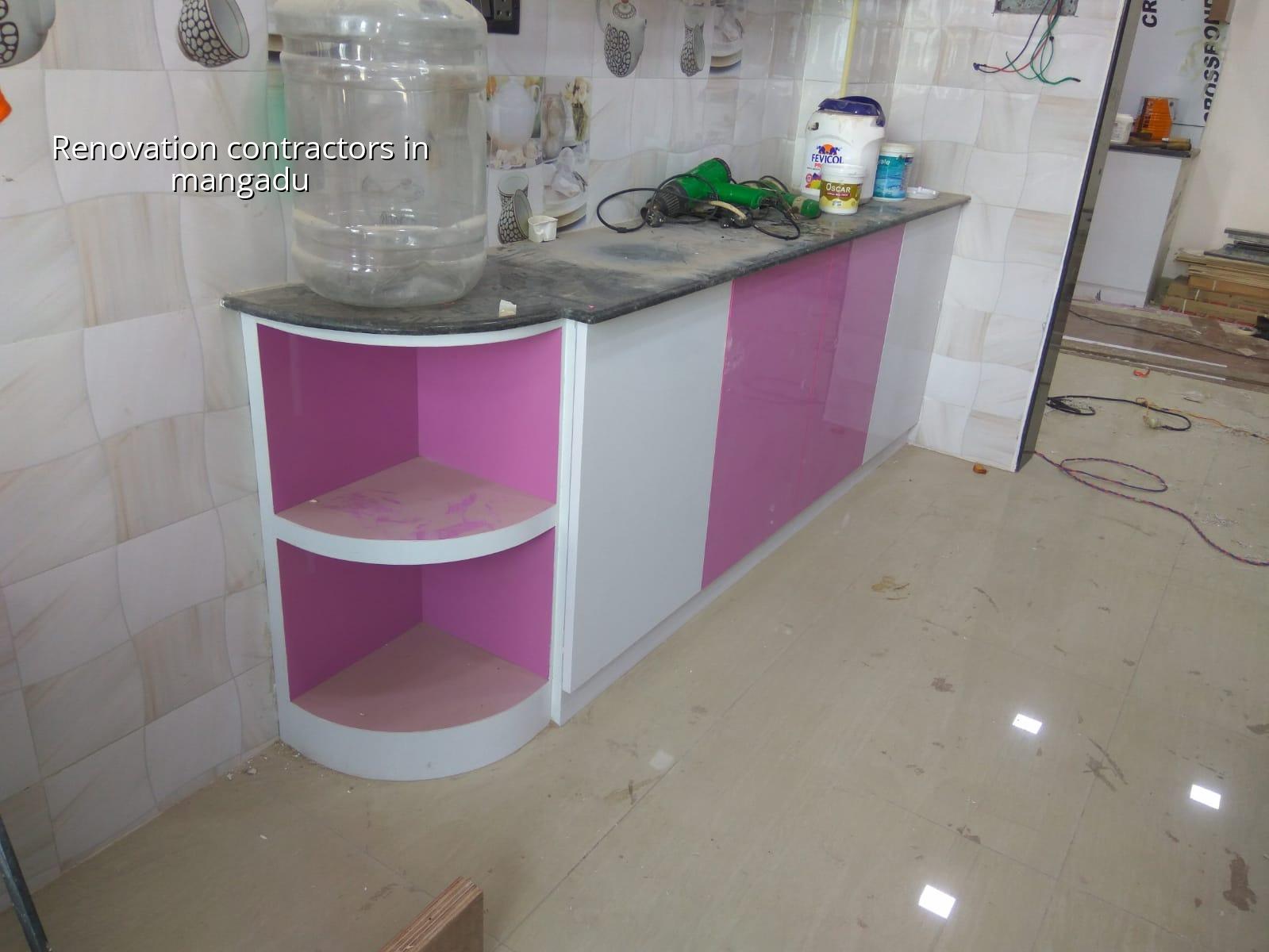
What Mangadu sites usually ask from a renovation team
Mangadu sits in the west side of Chennai, with a mix of older independent houses, new layouts, and temple-town streets where access can be narrow in some pockets and easier in others. That matters during renovation. A truck may not come right to the compound wall, material may need to be carried by hand, and the neighbour's compound often sits close enough that breaking work has to be planned carefully.
The ground condition also changes the decision. Some plots behave well once the drainage is sorted; others hold water after a heavy spell and show it later as plaster swelling, skirting damage, or seepage at the plinth. In Mangadu, a renovation quote that ignores drainage, roof slope, or the way the existing foundation was built is not a quote you can trust.
We also see a lot of work where the owner wants to keep part of the house liveable while the rest is repaired. That is possible, but only if the sequence is thought through. You don't want dust in the bedroom while the toilet line is being shifted. You don't want the roof opened during the wrong week of monsoon.
What we inspect before touching the finish
Renovation is not a paint item. We start by checking the structure, because finish work on a weak frame is money wasted. Our civil engineer and structural engineer look at the visible cracks, the roof slab, the beam lines, the wet areas, the external walls, and any sign of settlement. If the building needs a soil or foundation check, we say so before the first slab is broken.
What we look for on an existing house
Hairline plaster cracks are one thing. Diagonal cracks near openings, corrosion stains, soft concrete cover, or repeated seepage are different. Old bathrooms can hide failed waterproofing under a neat-looking tile finish. Terraces often fail at the drain point first, then at the parapet joint. A proper renovation contractor won't cover those symptoms and call it done.
For Chennai homes, we also look at service lines. Many houses have old plumbing runs that are too small, badly sloped, or patched several times. Electrical boards get crowded. Kitchen exhaust paths are added late. When you renovate, these are the moments to fix them, because opening the wall later is always more expensive.
- Site inspection and problem mapping — 1 to 2 visits, with crack notes, damp tracing, and a list of areas that need opening.
- Condition check and scope freeze — 2 to 5 days, to decide what is repairable, what must be replaced, and what should stay untouched.
- BOQ and sequence planning — 3 to 7 days, with itemwise quantities, material choices, and a work order that avoids rework.
- Repair, services, and finishes — 2 to 10 weeks depending on extent, starting with structure and wet areas before tile, paint, and final fixtures.
Budget decisions that actually matter
Most renovation budgets are lost in three places: hidden structural damage, wet-area failure, and service replacement that was never planned. If you only repaint a wall with damp behind it, the stain comes back. If you put new tiles over a failing bathroom slope, the same leak returns through the joint line. If the wiring is old and overloaded, nice finishes don't make the house safer.
For Mangadu renovation work, the sensible split is usually not to save on the items that stay buried. Save on decorative choices if you must. Don't save on waterproofing, slab repairs, toilet lines, roof treatment, or the parts of the electrical system that protect the house. A cheaper finish can be changed later. A bad repair under tiles or inside a beam is much harder to undo.
Indicative renovation rates in Chennai vary with scope. For interior works, the common range is ₹1,200 – ₹2,500 per sq ft. Painting is ₹25 – ₹45 per sq ft. The real figure moves with the extent of demolition, structure repair, material grade, plumbing changes, finish level, and how easy the site is to access. We settle that with a detailed BOQ before any contract is signed.
What to check before you hire anyone
If you're comparing renovation contractors, ask for the boring papers first. That's usually where the difference shows up. A contractor who can explain the scope clearly will not hide behind vague lumpsum talk.
- A written scope that says what is included and what is excluded.
- A BOQ with quantities, not just a single total number.
- Material brands or specifications for waterproofing, steel, cement, pipes, and electrical items.
- A payment schedule linked to measurable stages, not to pressure from the site.
- Who is supervising daily, and who answers if a crack opens during work.
- How dust, debris, and neighbour access will be managed in a lived-in house.
Approvals, drawings, and the work order
For renovation in the Chennai metropolitan area, the approval route depends on what changes you're making and where the plot sits. CMDA may be part of the picture, and the local body matters too. In Mangadu, the licence route is through the local municipal or town-level authority rather than a one-size-fits-all rule. If the work touches structure, adds built-up area, changes the roof line, or alters drainage, we check the paperwork before we start breaking anything.
| Renovation item | What it affects | What we confirm first |
|---|---|---|
| Bathroom and plumbing change | Leak control, slope, tile removal | Pipe routes, floor level, waterproofing layer |
| Terrace repair | Seepage, heat, roof life | Drain points, cracks, parapet joints |
| Room extension or wall shift | Structure and load path | Beam line, column position, structural check |
| Full house repaint | Surface life and damp visibility | Underlying moisture and plaster soundness |
When the work is only interior repair, the approval load can be light. When the house changes shape, the paperwork changes too. That is why we do not promise a quick start before seeing the site. A wrong assumption at the drawing stage becomes a delay at the demolition stage.
How we handle renovation work
We keep the technical work in-house, with our civil engineers, structural engineer, and architect involved from the start. A site engineer is on site every working day, and if you can't visit often, we send weekly photo updates by WhatsApp. Before we begin, we issue a detailed BOQ and a milestone-linked payment schedule so you know what is being done and why.
For a Mangadu house, that means we look at the existing condition first, then plan the sequence around access, neighbours, and the lived-in parts of the house. If the repair is simple, we keep it simple. If the structure needs a stronger intervention, we say it plainly. You can reach us at +91 97107 13838 or email info@shalomconstruction.com, and if needed we'll schedule a site visit from our Thiruverkadu office area.
Frequently Asked Questions
When a renovation is planned well, the house feels quieter, drier, and easier to live in. When it is planned badly, the same old problems return under a new finish.
Renovation Contractors in Mangadu
Send us the photos, the age of the house, and the problems you can see. We'll help you judge whether it needs repair, partial renovation, or a fuller structural check before you spend on finishes.
Request a Quote Call +91 97107 13838