


Plumbing Contractors in Thiruvanmiyur
If you’re looking for plumbing contractors in Thiruvanmiyur, you probably need a line fixed, a bathroom reworked, or a new house plumbing layout checked before tiles go back on. That’s the stage where bad pipe routing turns into wall breaking later.
We handle plumbing as part of construction and renovation work, so we look at slope, pressure, access for maintenance and what can fail after the monsoon starts. You’ll find the practical side here: what to ask for, what should be included in the estimate, and where saving money is fine versus where it causes repeat leakage.
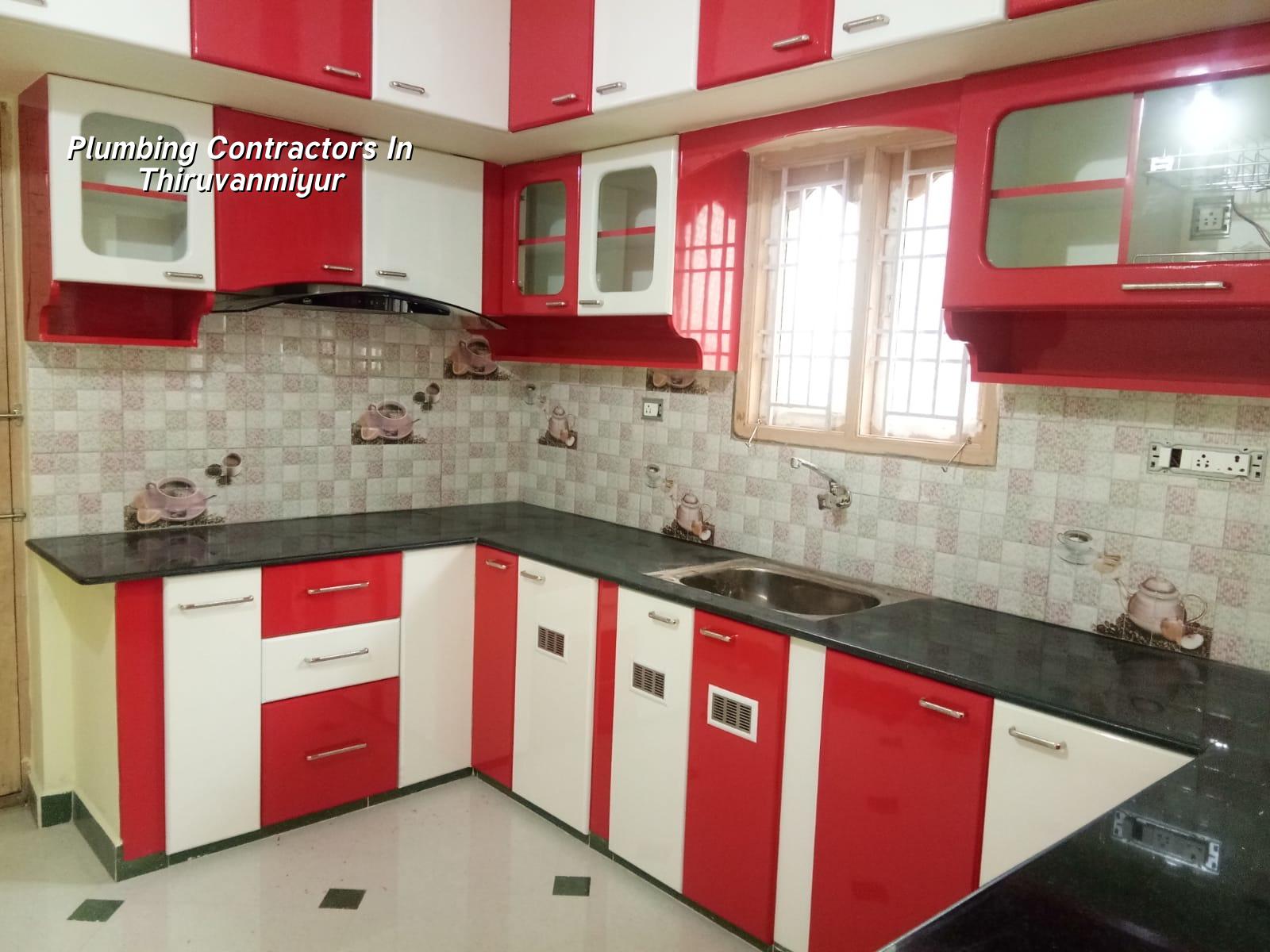
What Thiruvanmiyur changes on site
Thiruvanmiyur is coastal, and that matters. Salt air eats weak metal faster than most people expect, so exposed fittings, clamps and external pipe supports need proper material choice, not the cheapest item in the shop. Some plots are on older houses with hidden rerouting done over the years, so once you open a chase you often find mixed pipe sizes, patched joints and drain lines that never had a clean fall.
We also see a lot of homes where the problem is not the visible leak but the floor level around it. In a wet week, especially when rainfall is heavy and the site drain is slow, any poor bathroom slope starts showing up as stagnant water, damp skirting and smell from trapped lines. That’s why we check the complete run, not just the tap or the stain.
For new construction, this locality also means planning for maintenance access. A valve hidden behind a fixed cabinet or a concealed line without an inspection point becomes a nuisance later. In a built-up street, you don’t want to keep breaking finished work for a small repair.
Plumbing work we actually check
Good plumbing is part layout, part workmanship, part material quality. The pipe size has to suit demand, the slope has to suit the drain line, and the jointing has to suit the pipe system being used. A bathroom can look neat on the surface and still fail if the trap, venting and test points were not planned before plastering.
Lines, fittings and drainage
For water supply we look at source, pressure and routing. For drainage we look at gradient, trap arrangement and the way the line exits the building. If the line is meant to carry waste from a kitchen, bath and toilet, those branches should not be treated like one casual connection. Each branch behaves differently when the line blocks.
We follow Indian construction practice with the rest of the building: the structural shell is designed to IS 456:2000, loads are taken with IS 875, and overall planning follows NBC 2016. Plumbing then has to fit the building, not fight it. On a tight site, that means confirming openings and shafts early so the pipe work doesn’t interfere with beams or finished wall faces.
- Site check and fault tracing — We inspect the stain, leak point or new-work area first, usually the same day for an active issue.
- Routing and material choice — We decide pipe type, fitting quality and access points before any breaking starts, which avoids repeated demolition.
- First-fix installation — Concealed lines, sleeves, floor traps and slopes are placed before plaster and tiling, usually over a few days to a week depending on size.
- Pressure and flow test — We test supply lines and drainage runs before closing the surface, because a hidden leak after finish work is expensive.
- Final fit-off — Taps, valves, sanitary connections and visible accessories are fixed after tiling and painting, with a last check for seepage and backflow.
How to verify a plumbing contractor
If you’re comparing contractors, don’t start with the lowest quote. Start with the paperwork and the sequence. A fair estimate should say what pipe material is being used, what’s included in labour, whether wall chasing and patching are included, and whether pressure testing is part of the job. If that’s missing, the bill usually grows after work begins.
- Ask for the pipe material and fitting brand in writing, not just a verbal promise.
- Check whether concealed lines, sleeves and inspection points are included.
- See if wall chasing, patch plaster and basic waterproof touch-up are part of the scope.
- Confirm the contractor will pressure-test supply lines before closing the chase.
- Ask who comes back if a joint starts weeping after the finish stage.
- Look for a BOQ, because vague plumbing rates hide exclusions very quickly.
What most homeowners get wrong is treating plumbing as a small trade that can be sorted at the end. It can’t. Once tiles are fixed and cabinets are in, every hidden pipe becomes a future demolition point. That is why we prefer to align plumbing with the civil and interior schedule, especially in renovation work where the old line may not match the new layout.
Cost, timeline and what drives the price
We don’t give a flat total project price on a public page, because plumbing cost moves with the number of points, floor count, soil and drain routing, access to the shaft and how much finished work has to be opened. For Chennai, the rate band has to be read with the full BOQ. The same bathroom can cost more if the line is concealed in a tight shaft or if existing work has to be removed carefully.
For larger residential work, plumbing is usually priced as part of the building package, but the same idea holds: the figure changes with pipe route length, number of fixtures, overhead tank arrangement and the need for rainwater harvesting connections. Tamil Nadu has required rainwater harvesting since 2003, so roof and site drainage need to be thought through with the plumbing plan, not left as a separate afterthought.
| Work head | What moves the cost | What a fair scope should mention |
|---|---|---|
| New plumbing lines | Pipe length, floor count, concealed routing | Supply lines, drain lines, sleeves, testing |
| Bathroom rework | Tile removal, chasing, patching, access | Demolition, rerouting, slope correction, refit |
| Leak repair | Hidden joint location, wall opening, finish restoration | Tracing, repair, pressure test, reinstatement |
| Water tank and pump connection | Height, pipe run, valve and pump coordination | Tank inlet, outlet, overflow, isolating valves |
For planning, standard residential construction in Chennai runs at ₹1,900 – ₹2,300 per sq ft, mid-premium at ₹2,300 – ₹2,800, and premium higher than that depending on finish and specification. Plumbing sits inside that larger build figure unless it’s a separate repair or fit-out job. The real number is settled by the BOQ before signing, not guessed from a phone call.
How we handle plumbing on our projects
We keep plumbing with the technical team, not as an afterthought handed to whoever is free on site. Our in-house civil engineers and structural engineer coordinate the runs with beams, shafts and wall finishes, and a site engineer is on site every working day. If you can’t visit, we send weekly photo updates by WhatsApp, which is useful when a concealed line is about to be closed and you want one last look before plastering.
Mr. D. Salamon Ashok Rajan personally reviews projects, and we work with a detailed BOQ before any contract is signed. If your job is a new house, renovation or interior fit-out, we can talk through the plumbing scope with the rest of the build through our residential, renovation and interior works pages, then you can reach us at info@shalomconstruction.com or +91 97107 13838.
Frequently Asked Questions
We prefer jobs where the plumbing is planned early, because that’s how you avoid the usual second-round damage after finishes are complete. If you want a site visit or a BOQ-based quote, call +91 97107 13838 or write to info@shalomconstruction.com.
Plumbing Contractors in Thiruvanmiyur
If you want us to inspect a leak, review a bathroom rerouting plan or include plumbing in a new build estimate, get in touch and we’ll talk through the scope before anything is opened.
Request a Quote Call +91 97107 13838