


Floor Tile Contractors in Kodambakkam
If you’re comparing floor tile contractors in Kodambakkam, you’re probably looking at a room that already has dust, uneven patches, or old tile that has started to sound hollow. That’s usually where tile work goes wrong: not in the tile itself, but in the base below it.
This page lays out what a proper tile job needs on an older Kodambakkam site, what to check before you pay, and where the real cost sits. If you need the whole house handled, our residential team can coordinate the base work, and if this is part of a larger repair, our renovation crew deals with the messy sequence without guessing.
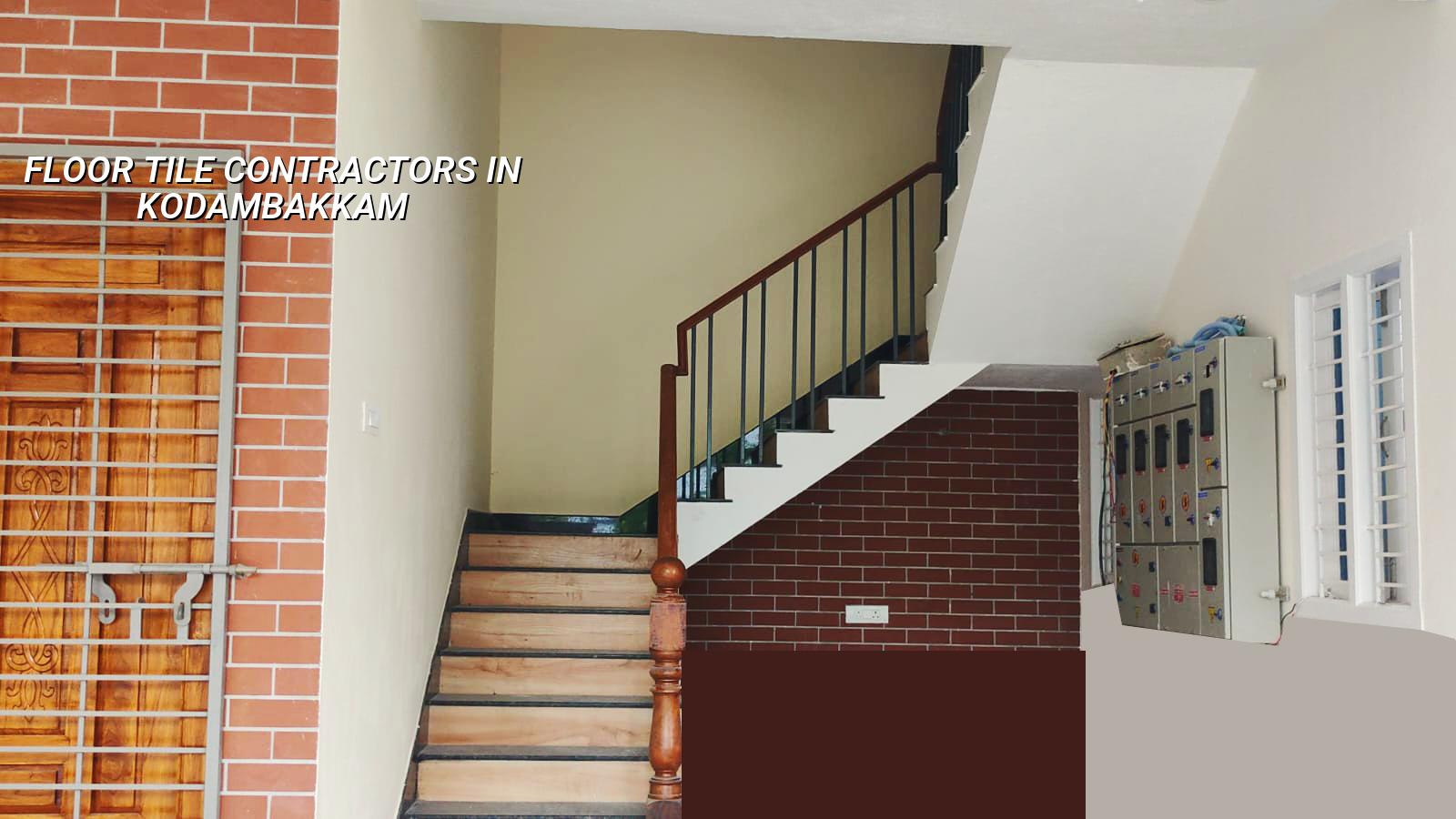
What Kodambakkam sites ask of a tile job
Kodambakkam is dense, old, and full of sites where the floor has seen two or three changes already. Many houses have small level differences between rooms, patched toilet slabs, or a slab that was never meant for a glossy finish laid straight on top. On these plots, tile work starts with measurement, not with shopping for tiles. If the existing floor is left in place, the screed thickness, door clearance, and skirting height all need to be checked before a single box is opened.
Access matters too. In many streets here, there is little space to stage material, so the contractor has to plan daily unloading, storage, and debris removal. That is not a cosmetic issue. When material sits in the lane, neighbours complain, cement bags absorb moisture, and the tile fixer ends up rushing the work. In our experience, rushed tile work is what gives you lipping, uneven joints, and grout that cracks within the first monsoon.
The local lesson is simple: in a place like Kodambakkam, good flooring is as much about sequence and site discipline as it is about the tile brand. The right contractor knows how to work in a lived-in house, a rental unit, or a small commercial floor without shutting the whole building down.
The base below the tile
A tile layer can only hide so much. If the base is weak, the finish will fail no matter how expensive the vitrified tile is. We first look for loose plaster at the edges, hollow sound on tapping, standing water near toilets or balconies, and cracks that track through the screed. If the slab has movement, the tile joint line will show it later. That is why we check slope, soundness, and moisture before fixing any floor tile in Kodambakkam.
What we inspect first
The usual order is straightforward. We check whether the old tile needs removal or whether a proper overlay is possible. We check if door shutters will still clear the new floor level. We check whether the wet areas have a real slope to the drain, not a slope made only on paper. Then we check the perimeter, because most tile failures begin at the junction between floor and wall, where people skip waterproofing or use the wrong adhesive.
For new work, the specification should be clear enough that you can read it and know what you’re paying for. Tile size, tile type, bed thickness, adhesive grade, joint width, skirting height, and polishing or grouting method all need to be written down. If you’re replacing old floor finish in an occupied house, the dust control plan matters almost as much as the final polish. Good contractors say this before you ask.
- Survey and measure — 1 day for room sizes, levels, door clearances, and tile take-off.
- Remove or prepare the base — 1 to 3 days depending on whether old tile is hacked and the slab is repaired.
- Set levels and lay the screed — 1 to 2 days, then curing time before fixing in wet areas.
- Fix tiles and check lines — 2 to 5 days for a normal house, longer for patterned layouts or large-format tiles.
- Grout, clean, and hand over — 1 day, with final checking for hollow sounds, stains, and edge damage.
How to judge a tile contractor
If you are comparing contractors, don’t start with the price per square foot. Start with the questions that reveal whether the person actually understands floor work. A fair contractor will tell you how they handle uneven slab levels, what adhesive they use, how they protect adjacent walls, and what happens if a batch of tiles has a shade variation. A weak contractor talks only about finish and “fast delivery”. That sounds nice until the bathroom slope fails or the corridor joints wander.
Ask for the BOQ before you sign. It should state tile size, wastage allowance, surface preparation, adhesive, grout, skirting, and any demolition or disposal. Ask who will be on site every day, because tile work is not a file-room job. It needs layout marks checked in person. And ask what is excluded. If they cannot say it plainly, the contract is not ready.
- The base should be sound when tapped, not hollow in patches.
- Levels should be marked before fixing starts, especially in old rooms.
- Wet areas should show a clear slope to the drain.
- Joint lines should stay straight across the room and through thresholds.
- Skirting, edge trims, and door clearances should be checked before handover.
- Any broken tile, shade variation, or chipped edge should be rejected on sight.
Cost, material choice, and what changes the rate
For flooring work, the rate is not just the tile. It moves with the size of the tile, the condition of the existing slab, whether old finish has to be removed, how many corners and cut pieces are needed, and how difficult access is on site. For Chennai work, tile fixing often sits within renovation or interior budgets, and the realistic range for interior works is ₹1,200 – ₹2,500 per sq ft depending on scope. For a plain tile-laying job, the BOQ settles the actual figure before contract.
We do not quote a total project price from a page like this, because a 600 sq ft hall in Kodambakkam is not the same as a first-floor rental unit with broken old flooring and one staircase landing. The cheaper option can work when the slab is level and the tile sizes are regular. It becomes a bad saving when the house has patch repairs, damp edges, or an awkward layout that forces too many cuts. That is where labour time rises and the finish gets careless if the schedule is too tight.
| Work item | What it includes | What changes the cost |
|---|---|---|
| Tile fixing on sound slab | Layout, adhesive, fixing, grouting, cleaning | Tile size, room shape, number of cuts |
| Old tile removal | Hacking, debris removal, base cleaning | Bond strength of old tile, access for disposal |
| Wet area rework | Slope correction, waterproofing touch-up, new fixing | Drain position, surface damage, curing time |
| Full renovation flooring | Removal, screed, fixing, skirting, handover cleanup | House occupancy, staircase work, finish level |
Approvals and site sequence
Tile work by itself usually does not trigger a new building approval, but it often sits inside a bigger renovation. In Chennai, what matters is whether the work is only interior replacement or part of a structural change. If you are changing walls, adding a new floor, or altering drainage, the approval route can change. For an occupied house, the cleaner path is to finalise measurements, confirm scope, and then start demolition in a sequence that keeps one wet area usable if possible.
We also look at moisture and drainage before we start. That is not a luxury. Chennai gets hard rain, and a house that seemed dry in summer can show damp edges by the second week of monsoon. If the floor height is set badly, water will sit at the threshold and work back under the finish. The repair later costs more than doing it right once.
How we work on tile jobs
We handle floor tile work with our own civil engineers, and a site engineer is on site every working day. For a house in Kodambakkam, that means we measure the rooms, check the slab, write the BOQ, and then decide whether the job needs just tile laying or a stronger base repair first. If you cannot visit every day, we send photo updates on WhatsApp. If the work is part of a bigger repair, we can align it with our renovation and interior works teams so the floor, skirting, and finish all match.
If you want to talk through a tile replacement, send us the room sizes or the site location. We’ll tell you what needs checking first. You can reach us at +91 97107 13838 or write to info@shalomconstruction.com. Our office is at No. 45, 2nd Main Road, Abirami Nagar, Koladi, Thiruverkadu, Chennai – 600077.
Frequently Asked Questions
If you’re redoing flooring in an older Kodambakkam house, don’t let anyone start with adhesive and hope the floor behaves itself. Get the levels, base, and sequence right first. The finish only looks easy when the preparation was done properly.
Floor Tile Contractors in Kodambakkam
Share the room size or a site photo, and we’ll tell you what the base needs before tile work starts. For a BOQ-based discussion, use the contact button below or call us directly.
Request a Quote Call +91 97107 13838