


Excavation Contractors in Pallavaram
If you are planning a house, a compound wall, or a redevelopment job, excavation contractors in Pallavaram are usually the first people who touch your site after the survey marks go down. The digging itself looks simple. The real work is stopping the pit from turning into a mess of loose sides, water seepage, dumped spoil and an argument with the neighbour.
In Pallavaram, the ground can change from one plot to the next. Some sites sit on firmer rocky stretches, while others need more care with benching, dewatering and spoil removal. We use that reality to decide the method, not guesswork. That is what keeps the foundation team from paying for a bad excavation later.
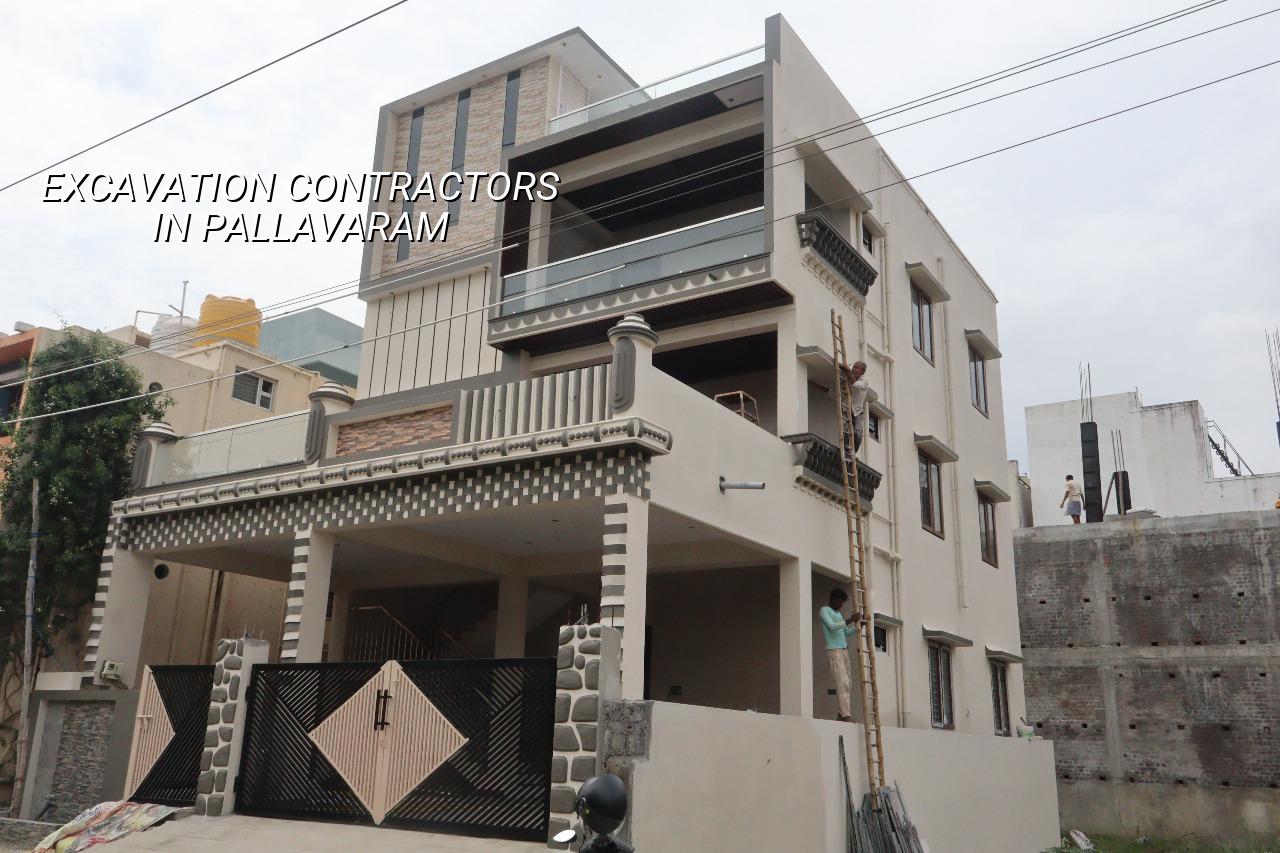
What Pallavaram Sites Usually Demand
Pallavaram is close to the airport side, and parts of it have firmer ground than the low pockets you see in the south Chennai belt. That sounds like a small detail, but it changes how we plan the work. A rocky patch may need breakers and tighter control on the excavation edge. A mixed or softer patch may need wider working space, staged digging, and a plan for rain water that enters the pit before the footing is poured.
Because the area has both older housing and active redevelopment, the site is often tight. One plot may have a compound wall only a few feet from the excavation line. Another may have access for a concrete pump but no room to stack removed earth. In those conditions, the contractor's judgement matters as much as the machine. You need someone who knows when to use a JCB, when to stop and trim by hand, and when the soil is telling you to change the foundation plan.
Approvals also matter. The building licence depends on the exact local body, and plots near the airport side can bring AAI height clearance into the process. Excavation work itself does not need drama, but the drawings, drainage route, patta and soil report all need to match before the foundation contractor starts pushing earth around. We see problems when people begin digging first and only later ask who is supposed to approve what.
Excavation is not just digging
Good excavation is a controlled sequence. We are not talking about taking soil out until the pit looks wide enough. We are talking about line, level, side stability, access, spoil handling and the condition of the bottom when the footing concrete is poured. If the pit is over-dug, the extra space has to be made good with lean concrete or another approved method. If the sides cave in, the pit gets wider than planned and the footing schedule slips. If water sits in the bottom, the concrete goes in on a bad base.
What we check before the machine enters
Before excavation starts, we verify the plot boundaries, the finished floor level decision, the soil report, and the place where excavated earth will be moved. We also look at the approach road. In Pallavaram, a narrow access lane can slow the work more than the digging itself. If the machine cannot enter cleanly, the job turns into manual shifting and short bucket runs. That is slower, costlier and harder on the footing line.
The right excavation method depends on what the bore log shows. If the soil is firm, isolated or strip footings may be enough. If the log shows soft layers or water-retaining strata, the foundation may need a raft or piles with tie beams. We do not pretend to know that from the street name. The soil investigation decides it, and the pit confirms whether the report matches what is actually underground.
- Survey and marking — We mark the footing lines, check the plot corners and confirm the excavation depth from the approved drawings. This usually takes half a day on a normal site.
- Topsoil and debris removal — Loose fill, rubbish and surface material are removed first. On an old plot, this stage can take one day if the access is clear.
- Machine excavation — The bulk of the soil is cut and lifted in layers. We keep the sides true and stop before the final line so the bottom can be cleaned properly.
- Bottom dressing and inspection — The last layer is trimmed by hand, checked for loose pockets and approved before PCC or footing preparation begins. This is the stage people skip when they are rushing.
- Spoil shifting and dewatering — Excavated soil is carted away or stacked where it will not block the next trade. If seepage appears, we deal with it before the concrete crew arrives.
How to choose a contractor without getting stuck later
If you are comparing contractors, ask for more than a machine rate. Excavation is one of those jobs where a cheap quote can become expensive after the first rain. What matters is whether the contractor understands the pit, the foundation plan and the neighbour side of the site. A person who has only handled open layouts will struggle on a cramped Pallavaram plot.
We tell clients to ask for four things before they sign anything: the excavation depth and method written in the BOQ, the disposal plan for earth, the dewatering plan if the site needs it, and the sequence after excavation. If the answer to any of those is vague, the site is not ready. People often compare only the digging rate and forget that the real cost starts when spoil has to be moved through a narrow front yard or when the pit has to be kept dry overnight.
- Confirm whether the quotation includes machine hire, labour, shifting and disposal of excavated earth.
- Check if the contractor will trim the bottom manually before footing concrete.
- Ask what happens if hard strata, boulders or unexpected water are found.
- Make sure the foundation line, depth and finished level are matched to the approved drawing.
- See who is responsible for protecting nearby walls, cables and compound edges.
Cost depends on what is under the surface
We do not quote a total project price on a public page, and excavation is no different. The rate changes with soil type, depth, machine access, disposal distance, basement need and how much hand work the site demands. For full house construction in Chennai, the overall work rate is usually one thing; excavation by itself is another. What you should look for is a BOQ that separates digging, trimming, disposal, dewatering and backfilling so there are no surprises later.
As a rule, the harder the access, the more manual labour you pay for. The deeper the pit, the more time you need for side control and cleanup. If the site sits where rainwater collects, you also need pumping and rechecking before footing concrete. Saving money by skipping those items is false economy. The repair after a disturbed footing bed costs more than the digging did.
| Excavation condition | What usually changes | What we confirm in the BOQ |
|---|---|---|
| Firm soil with clear access | Faster machine work and less manual trimming | Machine hire, labour and disposal distance |
| Mixed ground or old filled plot | More careful cutting and extra cleaning at the bottom | Hand trimming, spoil handling and inspection time |
| Water seepage or monsoon exposure | Pumping, staging and repeated bottom checks | Dewatering, delay allowance and reinspection |
| Tight access in a built-up lane | Slower shifting and limited machine movement | Labour for carting, protection and local disposal plan |
How we handle excavation on site
We keep the technical team in-house, so the person reviewing the pit is not a stranger who arrived after the problem. A site engineer is on site every working day, and our structural engineer checks the foundation assumptions against the actual ground. For clients who cannot visit, we send weekly photo updates by WhatsApp. That matters on excavation jobs because the first week often decides the next month.
We also work from a detailed BOQ before any contract is signed. That is where excavation is tied to the rest of the structure, not treated as an isolated lump sum. If the drawing needs a change after soil is exposed, we discuss it openly. We do not promise that every site will behave exactly like the plan on paper. No engineer can. What we can promise is that we will stop, inspect and adjust before a small issue becomes a foundation defect. If you need that kind of site control in Pallavaram, call us at +91 97107 13838 or write to info@shalomconstruction.com. You can also start from our contact page or see residential construction if your excavation is part of a new home.
Frequently Asked Questions
If the pit is shallow and the site is open, excavation feels quick. Once the plot is tight, the rains start, or the soil turns mixed, the job reveals its real character. That is usually the moment a careful contractor saves you time, not costs you more.
Excavation Contractors in Pallavaram
Send us the sketch or come for a site visit, and we will tell you what the ground, access and foundation line mean before you start spending on machinery.
Request a Quote Call +91 97107 13838