


Best Civil Engineers in Chromepet
If you’re comparing the best civil engineers in Chromepet, you’re probably trying to protect a house plot, a renovation, or a fresh build from avoidable mistakes. The engineer you choose decides how the drawing becomes RCC, how the site is checked, and how problems are caught before concrete goes in.
In Chromepet, the real test is not a shiny brochure. It is whether the team understands approvals, soil behaviour, drainage around the plot, and the way work has to move in a busy GST Road suburb where access can be tight and schedules matter.
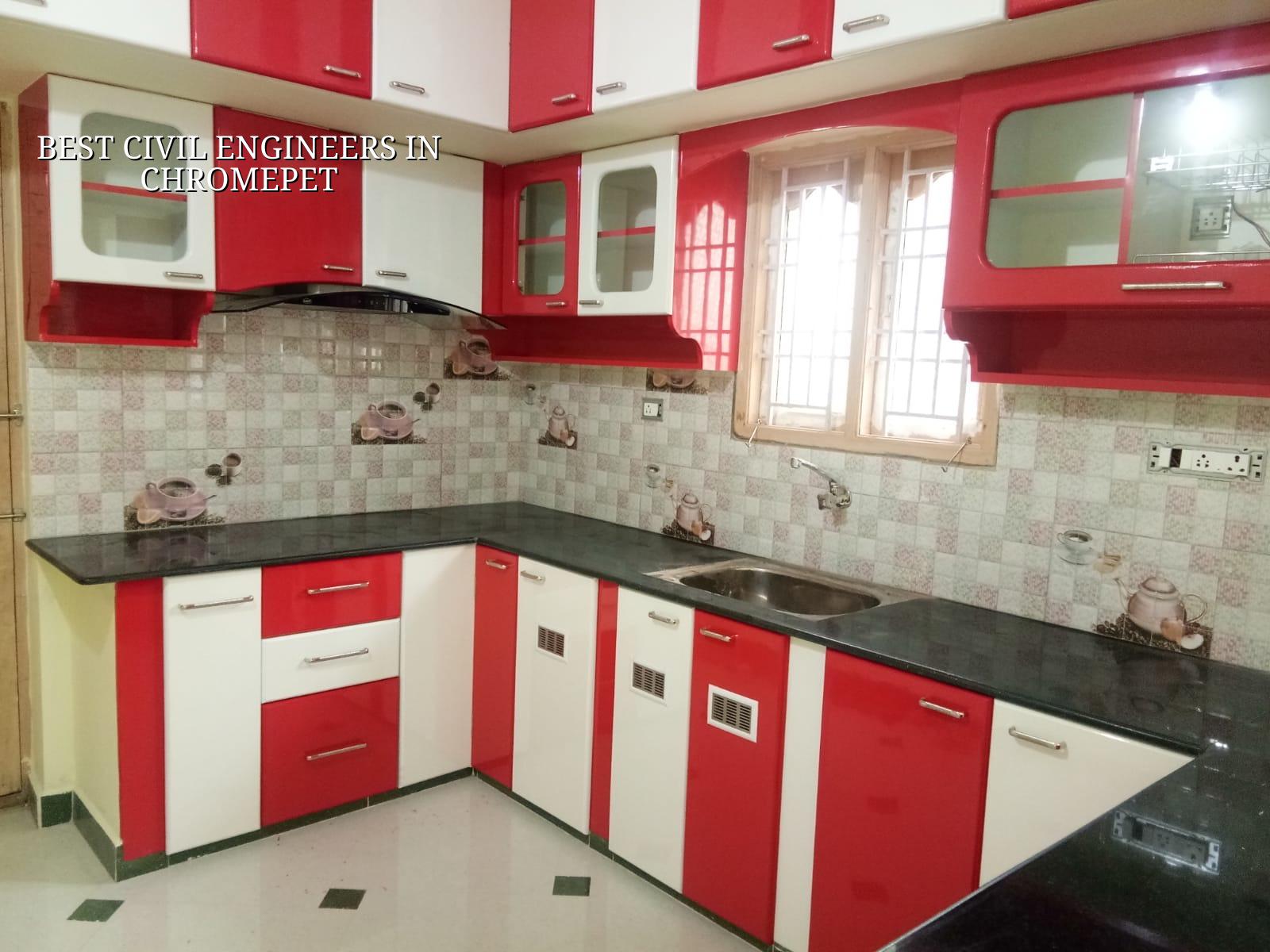
What Chromepet site conditions change
Chromepet is a dense suburb with a mix of older houses, rebuilt homes, and newer residential plots near rail access and GST Road. That means site work often starts with traffic control, neighbour coordination, and a plan for where materials will be stacked without blocking the lane. You cannot treat it like an open-layout outskirts site.
The ground picture is also not something to guess at. Across Chennai, some belts hold water more than others, and the only honest way to deal with that is to inspect the soil before foundation design. If a bore report shows soft layers, the answer may be raft or pile foundations with tie beams. If the soil is firm, isolated or strip footings may be enough. The point is simple: the plot decides, not a slogan.
For Chromepet specifically, many owners also need calm handling of older structures next door. We see this often in narrow streets where a new footing excavation can affect the compound wall or the neighbour’s floor level if the plinth is not set correctly from day one.
What a civil engineer should actually do
A civil engineer is not just a person who signs drawings. For a house or small commercial building, the job begins with checking the survey, the architectural plan, the soil data, and the load path from slab to footing. Then the engineer sizes the RCC members, checks service openings, and makes sure the structure follows IS 456:2000, IS 875, NBC 2016 and IS 1893:2016 for Chennai’s Seismic Zone III conditions.
Design, inspection and site control
Good engineering work has a rhythm. The architect may shape the space, but the engineer decides whether it can stand safely, drain properly, and be built without later cracking or ponding. On site, we look at reinforcement spacing, lap length, cover blocks, shutter alignment, level checks, curing and waterproofing details. Skip any one of those and the issue often shows up later as hairline cracks, dampness, or a slab that feels off level.
Most owners ask for “the best engineer” when what they really need is someone who explains the trade-offs. A heavier slab can feel better, but it adds load. More glass looks good, but it asks more from the frame and the waterproofing around openings. On a good project, the engineer keeps those choices honest.
- Site and document check — survey, patta, EC, FMB sketch and the plan are reviewed first. This usually takes a few days.
- Soil investigation — we confirm what the ground can carry before the foundation is fixed. This is cheap compared with rework.
- Structural design — RCC members, stair, slab and footing details are prepared to code and matched to the architecture.
- Execution and inspection — reinforcement, shuttering, concreting and curing are checked stage by stage on site.
- Final handover check — drainage, waterproofing, levels and visible defects are verified before closeout.
How to judge a civil engineer before you hire
If you’re choosing between firms, ignore the words “best” and “leading” on the front page. Ask for the things that show whether the engineer really controls the job. A serious team will talk about the BOQ before signing, not after the first bill surprises you. They will also show where the money goes: earthwork, foundation, RCC, masonry, plastering, waterproofing, finishes and services.
There is a fair reason to choose a smaller, hands-on team over a bigger name. You get direct discussion with the person who understands structure and execution, not only sales talk. The case against that choice is also real: if the team is thin on engineering discipline, the site can drift. So you should check systems, not just personalities.
- Ask for the structural scope in writing, not only verbal assurances.
- Check whether the BOQ is given before agreement, with item-wise quantities.
- See if the soil test is part of the process before foundation finalisation.
- Confirm who visits the site every day and who answers technical questions.
- Ask what code basis is being followed for RCC, loads and seismic design.
- Read the payment stages carefully so each release matches actual progress.
Approvals, drawings and what usually slows people down
In the Chennai Metropolitan Area, CMDA is the planning authority, while the building licence comes from the local body that governs the plot. In and around Chromepet, that means the exact route depends on where the site sits. Some plots fall under the corporation or a municipality, while airport-adjacent properties may also need AAI height clearance. That detail changes time, paperwork and sequence.
The usual documents are not fancy, but they must be right: patta, encumbrance certificate, FMB sketch, approved architectural drawings, structural stability certificate and drainage details. The common mistake is to start design before the plot papers are clean, or to assume all plots under one street follow the same approval path. They don’t.
When people ask why approvals take longer than they expected, the answer is often not the authority. It is missing input. A wrong plot boundary, a drawing that doesn’t match site reality, or a height issue near the airport can stop the file until it is corrected.
| Project head | What moves the rate | What to watch |
|---|---|---|
| Residential RCC work | Soil, floors, span, finish level | Foundation type and structural drawings |
| Approvals and drawings | Authority route and plot papers | Patta, EC, FMB and drainage details |
| Site execution | Access, labour movement, storage space | Daily supervision and material control |
| Interior or finish works | Material choice and detailing | Waterproofing, tiles, paint system |
How we work on a Chromepet project
We keep the technical work in-house with our civil engineers, structural engineer and architect. A site engineer is on site every working day, and our clients get weekly photo updates on WhatsApp if they cannot visit. Before any contract is signed, we prepare a detailed BOQ and agree a milestone-linked payment schedule. That makes the job clearer for both sides.
We design to Indian standards, check the plot context, and confirm what the foundation should be after soil investigation. If you want to talk through a plot in Chromepet, a rebuild, or a new house, call us at +91 97107 13838 or write to info@shalomconstruction.com. Our office is at No. 45, 2nd Main Road, Abirami Nagar, Koladi, Thiruverkadu, Chennai – 600077, and our Home page and Residential Construction page give you a better sense of how we take a project from first drawing to handover.
Frequently Asked Questions
If you’re standing on a plot in Chromepet and trying to decide who should handle the structure, start with the paper trail and the soil, not the paint shade. The right engineer makes the site quieter, not louder.
Civil Engineers in Chromepet
Send us your plot details, drawings or photos, and we’ll tell you what needs checking before you spend on the next stage.
Request a Quote Call +91 97107 13838